Tag Archives: teaching

Starting Book Two

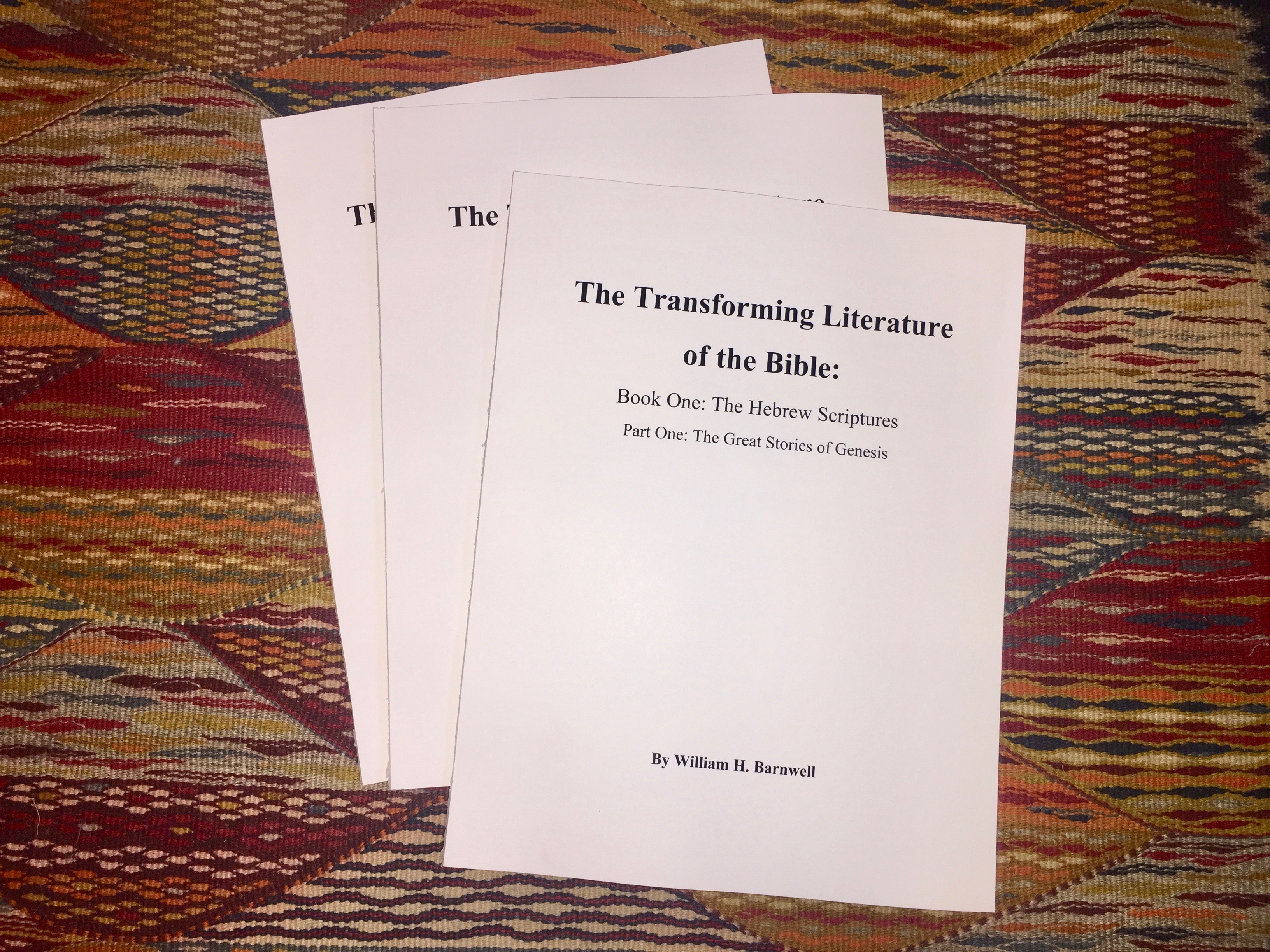
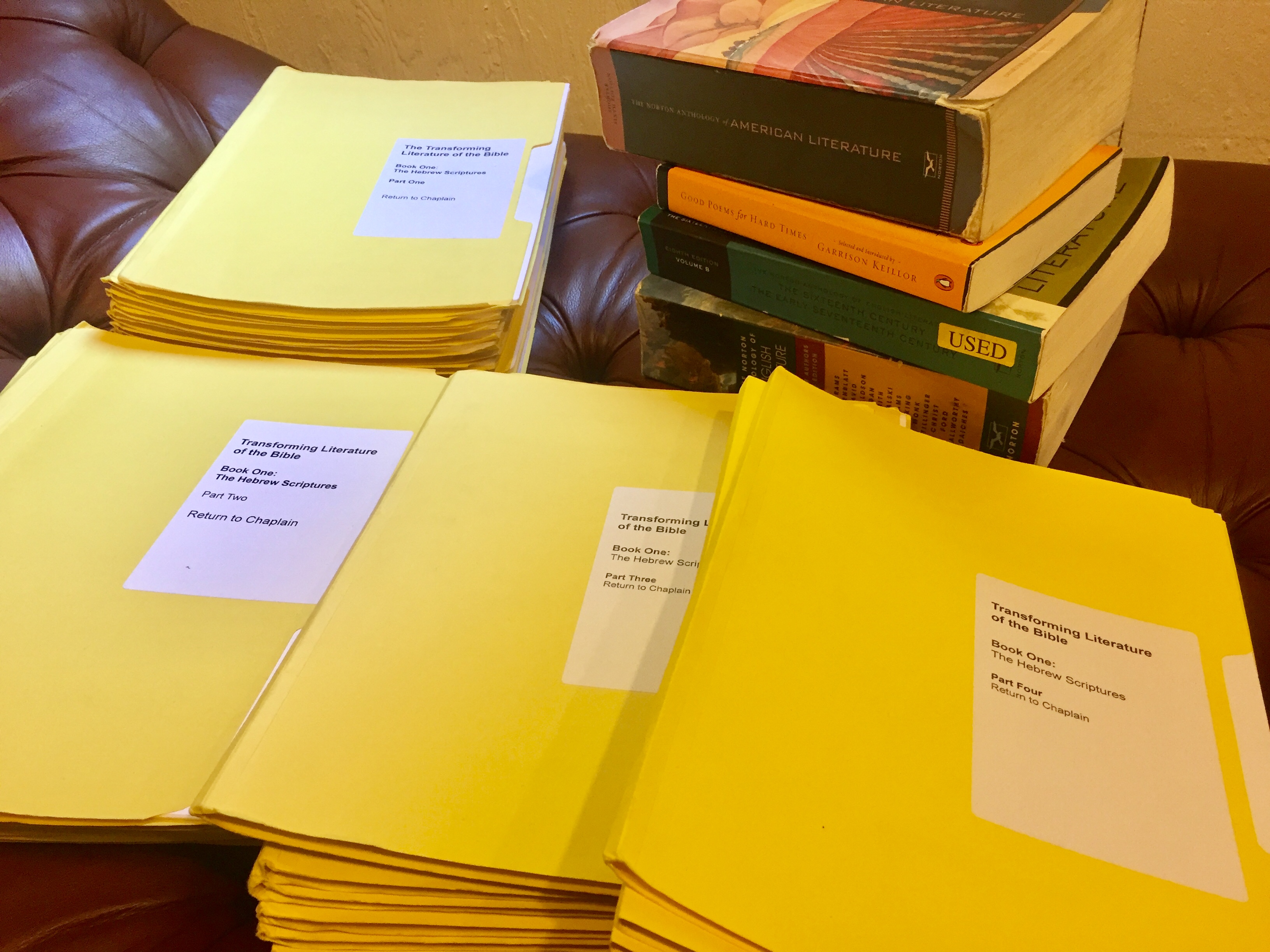
Last month, I finished revising and printing/binding 256 pages (in 17 sessions of Book One – “The Hebrew Bible“) for the pilot version of the new “The Transforming Literature of the Bible” (TLB) course. Today, I finished revising 140 pages in the first 9 sessions (out of 19) of TLB Book Two (“The New Testament“).  Production starts tomorrow.  I am collaborating on the revision of TLB with the Rev. Canon William H. Barnwell who wrote the original course. In addition to revising Canon William’s 2008 course materials, I am running a pilot version of the class itself at Elmwood Jail (Milpitas, California). I am grateful to my Co-Mentors Diane Lovelace, and my husband, John Plocher (with the Rev. Peggy Bryan as backup). This program is supported by the Correctional Institutions Chaplaincy  (CIC) and St. Andrew’s Episcopal Church.  Thanks to Collette Lynner of CIC for supporting TLB production.

Six students are finishing the 17 sessions in Book One this Friday.  We start studying Book Two next week.  The inmates are very enthusiastic, doing their extensive homework reading and participating energetically in in-class discussions and reflections.  There is a waiting list of inmates from two dorms to join us.

Literary selections are included in TLB to provide a diverse context in which to understand some of the major themes in the Bible passages under consideration.  In addition to readings in the Old Testament (Hebrew Bible), the students of Book One have also read:

  1. “The Welcome Table” story by Alice Walker (1973)
  2. “A Very Old Man with Enormous Wings” story by Gabriel Garcia Marquez (1955)
  3. “My Grandmother Washes Her Feet in the Sink of the Bathroom at Sears” poem by Mohja Kahf (2003)
  4. “The Son from America” story by Isaac Bashevis Singer (1973)
  5. “The Big Red Apples” story by Zitkála-Šá  aka Red Bird (1900)
  6. “My Last Duchess” poem by Robert Browning (1842)
  7. “I Have a Dream” speech by the Rev. Martin Luther King (1963)
  8. O Pioneers! excerpt by Willa Cather (1913)
  9. “The Family of Little Feet” story by Sandra Cisneros (1984)
  10. The Gangster We Are All Looking For excerpt by Lê Thị Diễm Thúy (2003)

The Book Two (New Testament) students will read these literary selections in Part One “A Journey With Mark“:

  1. “At the Arraignment” poem by Debra Spencer (2004)
  2. “A Private Experience” story excerpt by Chimamanda Ngozi Adichie (2009)
  3. “Sonnet XXVII” by William Shakespeare (1609)
  4. “Under the Poplars” poem by César Vallejo (1919)

One of the TLB students wants me to start another Education for Ministry (EfM) seminar in their dorm after I finish Books One and Two of TLB. Joel Martinez and I are Co-Mentors for a weekly EfM seminar which started in 2015 in another dorm where inmates tend to stay inside longer. I designed TLB to be finished in 5 months but EfM takes four 9-month terms to complete. I told him that if he can find ten other students who will be there for long enough, I will start another EfM class.

Other than my ongoing project as the Mentor for the Shakespeare Reading Group, TLB is one of the few times since I was graduated from the University of California at Berkeley in English (with a specialty in Shakespeare) that my knowledge and passion for literature has been of such use.  I am very much enjoying reviewing potential TLB selections.  Thanks to my daughter Jessica Dickinson Goodman for her advice on some of the selections, and to John for reviewing my drafts.

If you want to receive Katysblog posts by email, please sign up using the Sign Me Up! button (upper right).
Image Copyright 2018 by Katy Dickinson.
2 Comments

Filed under Church, Home & Family, Mentoring & Other Business, News & Reviews

Solve24 from TechWomen of Lebanon

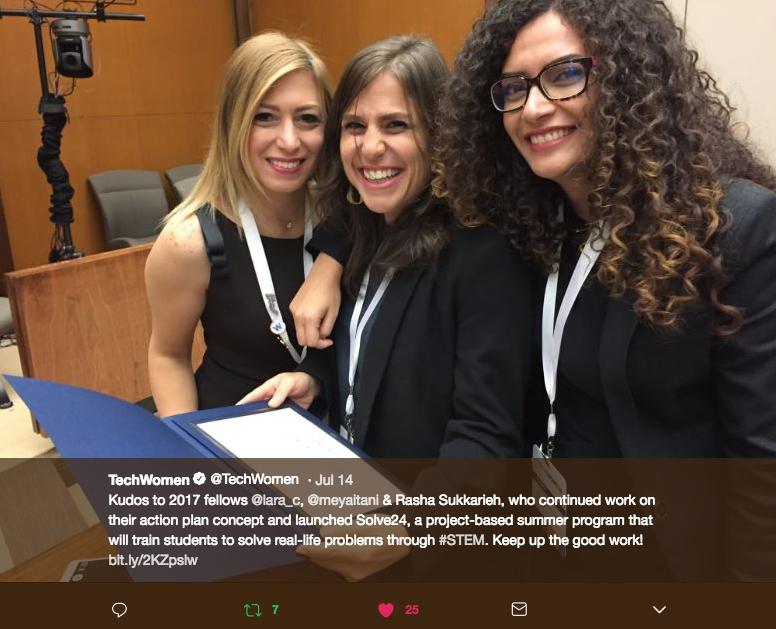
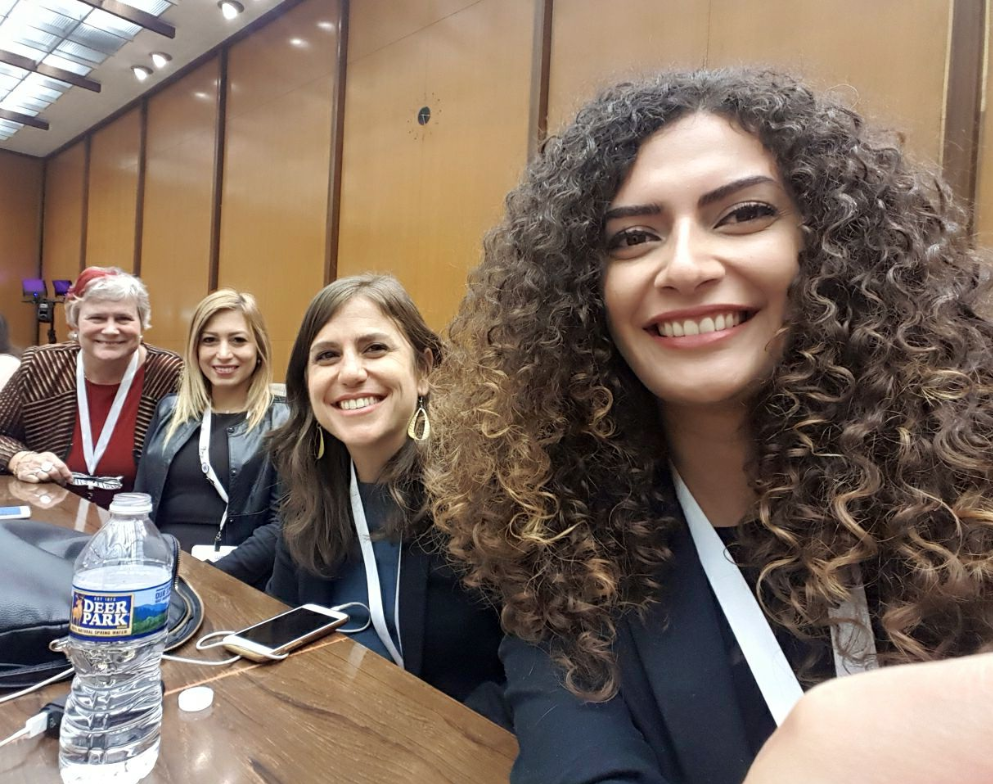
TechWomen Katy Maya Lara Rasha Washington DC October 2017

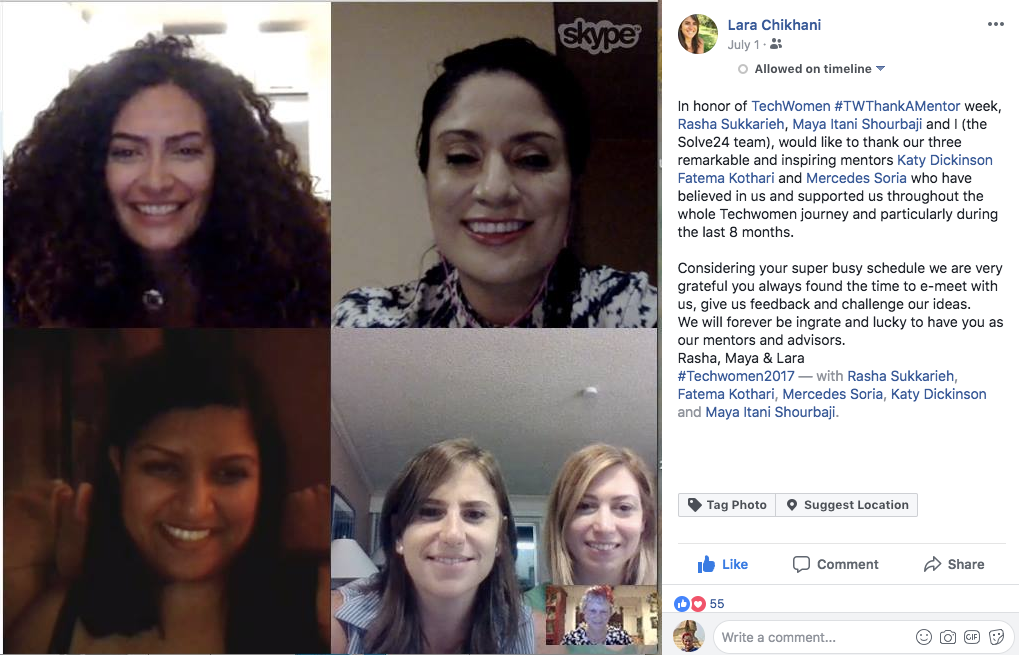
I am very proud of three of my TechWomen mentees from Lebanon who just launched the Solve24 – a new technical camp for teens in Beirut.  Our 2017 TechWomen Fellows from Lebanon (Lara Chikhani, Maya Itani, and Rasha Sukkarieh) have been working hard – with some advice from their three experienced mentors from the Silicon Valley (Mercedes SoriaFatema Kothari, and me) for many months to create this new program – while working at regular jobs, of course.

About Solve24:

A project-based program, designed to train students aged 13 – 17 to think outside the box while inquiring about and solving real-life challenges. The program allows them to explore design thinking processes and STEAM tools to find ways for creating usable and innovative products and finding solutions for real-life problems, in 24 hours, spread over 2 weeks. Throughout this camp, students will attend workshops and engage in specific activities that will guide and shape their way of thinking and provide them with the needed strategies for solving problems in an innovative way. First Session: 30 July – 9 August 2018

Lara, Maya, and Rasha are inspiring and remarkable and creative leaders!

Katy Dickinson, Mercedes Soria, Fatema Kothari, TechWomen October 2017

Facebook post by Maya Rasha Lara 1 July 2018

TechWomen Lebanon Rasha Maya Lara October 2017

If you want to receive Katysblog posts by email, please sign up using the Sign Me Up! button (upper right).
Images Copyright 2017-2018 by Katy Dickinson and TechWomen.

Leave a comment

Filed under Mentoring & Other Business, Mentoring Standard, News & Reviews

New Jail Curriculum

Collaborating with the Rev. Canon William H. Barnwell, this month I have been designing a new curriculum for studying faith and literature at Elmwood Jail (Milpitas, California). In 1980, at the University of New Orleans (UNO), Canon Barnwell started developing a program which would eventually be called The Transforming Literature of the Bible (TLB). TLB is based on his original class in the “Bible as Literature” in the UNO English Department. From the mid-eighties, Canon Barnwell continued to work on TLB for both the university and at his churches: first at Trinity Episcopal in New Orleans, then at Trinity in Boston, and finally at the Washington National Cathedral where he served as Canon Missioner. TLB has been presented dozens of times in a variety of settings.  The TLB version we are updating now is dated 2008.

I had been looking for a shorter course to offer at Elmwood Jail where I have been leading seminars in Education for Ministry (EfM) since 2015. Unfortunately, EfM takes nine months per program year and many of the inmates are not at Elmwood that long. EfM continues to be the right program for some Elmwood dorms; however, I was glad to find TLB for faster-cycle dorms.  I think we can complete both Old and New Testament studies using TLB in about four months.

With Canon Barnwell’s enthusiastic support, I have edited the first six TLB sessions. I plan to edit the next 30 sessions starting next week. The first six sessions cover “The Hebrew Scriptures, Part One: The Great Stories of Genesis”. In addition to reading all of the Bible book of Genesis, students will also read:

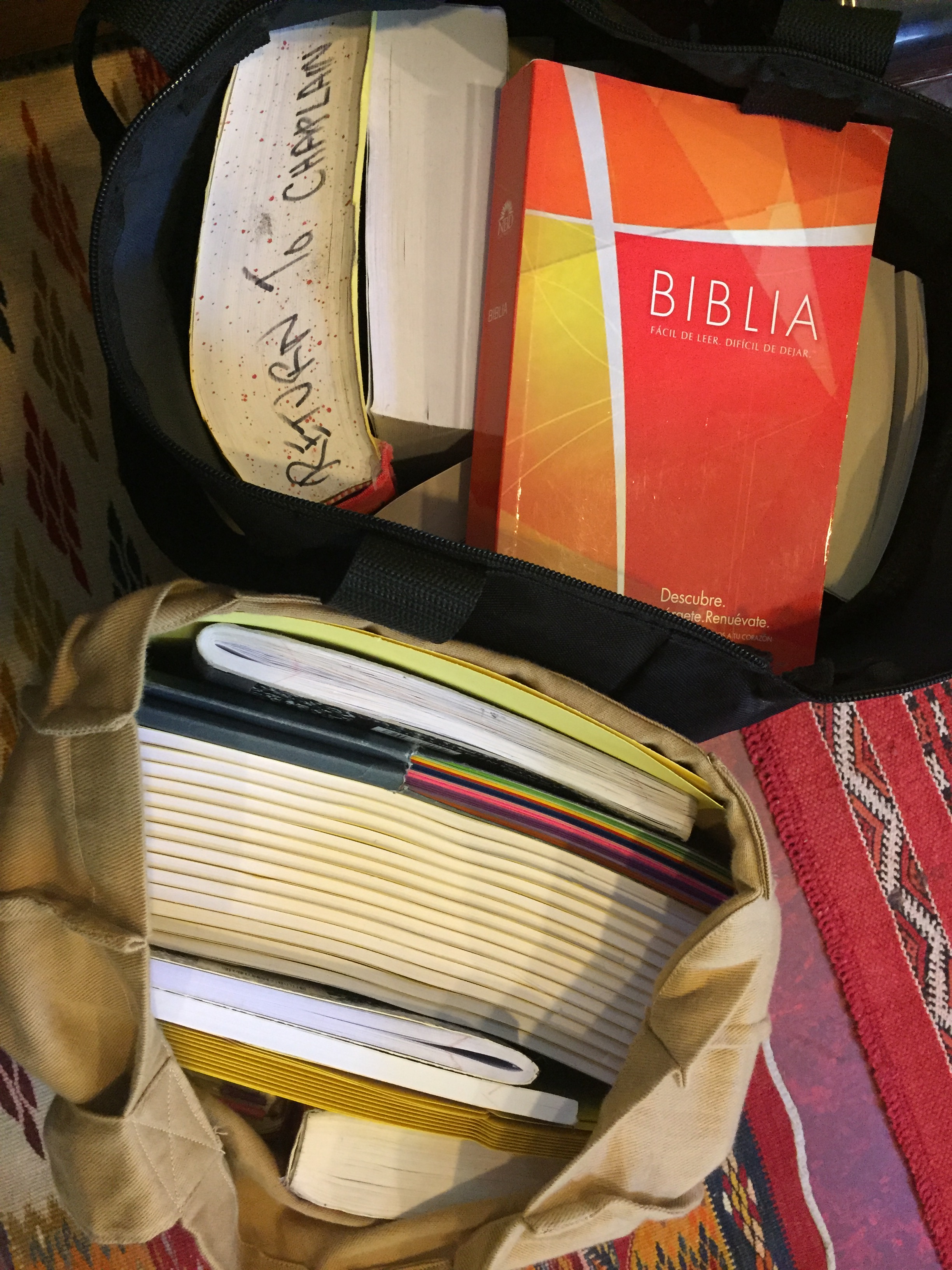
I am grateful to have Diane Lovelace and my husband, John Plocher, as my Co-Mentors in this new venture.  I am giving the inmates Bibles, Books of Common Prayer, dictionaries, pencils and journals to support their studies.  Some books are in Spanish and some in English.  Ten inmates came last week to hear about the new program.  They are a varied group from many faith backgrounds: Catholic, Protestant, and Muslim. We are looking forward to developing the TLB pilot program together.

This program is supported by the Correctional Institutions Chaplaincy and St. Andrew’s Episcopal Church.


If you want to receive Katysblog posts by email, please sign up using the Sign Me Up! button (upper right).
Images Copyright 2018 by Katy Dickinson.
1 Comment

Filed under Church, Mentoring & Other Business, News & Reviews

Prayers from Jail

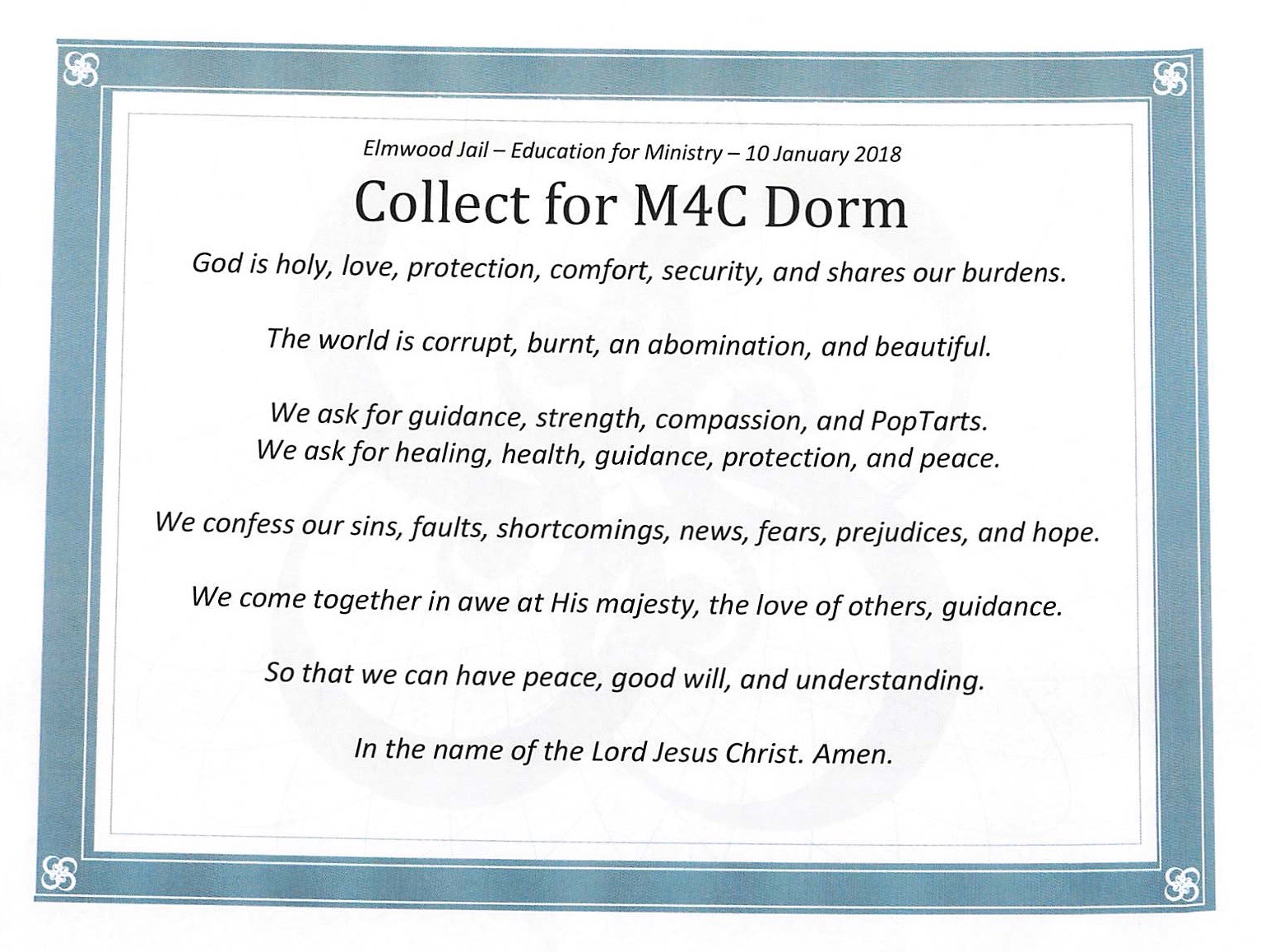
Collect for Elmwood Jail M4C Dorm 10 Jan 2018

In Week 16 of our Education for Ministry (EfM) 36 week seminar, the students write a Collect together. A collect is a prayer meant to gather the intentions of the people and the focus of worship into a succinct prayer. In the Week 16 exercise, EfM prompts us with the first few words of each line and the students fill in the rest. By writing their own Collect, students learn the difference between kinds of prayer: Petition, Intercession, Penitence, Thanksgiving, and Adoration.

I lead three EfM seminars a week, two at at Elmwood Jail in Milpitas and the third at St. Andrew’s Episcopal Church (all in the Silicon Valley). My Co-Mentors Joel and Diane and Karen and I are all Accredited Mentors.  After each group wrote their own Collect, I read them the prayers written by the others.

Here are the three Collects:

Collect from Elmwood M4C Dorm EfM Class

God is holy, love, protection, comfort, security, and shares our burdens.

The world is corrupt, burnt, an abomination, and beautiful.

We ask for guidance, strength, compassion, and PopTarts.

We ask for healing, health, guidance, protection, and peace.

We confess our sins, faults, shortcomings, news, fears, prejudices, and hope.

We come together in awe and wonder at His majesty, the love of others, guidance.

So that we can have peace, good will, and understanding.

In the name of the Lord Jesus Christ.
Amen.

Collect from Elmwood M2B Dorm EfM Class

God is wonderful, loving, father, strong, life.

The world is a mess, suffering, needing peace, capable.

We ask for peace, mercy, love, hope, freedom, safety, protection.

We ask for food for the hungry, a house for the homeless, peace for those in war-torn countries, and health for the unhealthy.

We confess sin, misgivings, our love, ignorance – lack of knowledge.

We give thanks for life, families, safety, health, our EfM Mentors, friendships, and Honey Bun pastry.

We come together in awe and wonder at new learning, every day, God’s presence at Elmwood Jail.

So that we can have love, understanding, faithfulness.

In the name of Jesus.
Amen.

Collect from St. Andrew’s EfM Class

God is love, healer, generous, compassionate.

The world is sick, poor, in need, progressive.

We ask for health, healing, open hearts and minds.

We ask for abundance for the poor, courage for leaders, wholeness for the sick.

We confess our prejudice, limitations, slowness.

We give thanks for those who came before us, healers, saints, new babies and parents, courageous leaders.

We come together in awe and wonder at a new year, God’s presence in our lives, grace.

So that we can be fearless, and the sick will be comforted.

In the name of our healing Father.
Amen.

This jail-based EfM program is supported by the Correctional Institutions Chaplaincy, the Episcopal Diocese of El Camino RealSt. Andrew’s Episcopal Church (Saratoga, California), and the University of the South – School of Theology.

If you want to receive Katysblog posts by email, please sign up using the Sign Me Up! button (upper right).

1 Comment

Filed under Church, Mentoring & Other Business

Postcast Interview

Katy Dickinson Sun Microsystems badge 398 in 2010

I very much enjoyed being interviewed by Akshay Birla for his “Life of the Mind” podcast last month. He just published the interview as “Episode 19 | Katy Dickinson on Technology, Mentoring, and Religion”.

Katy Dickinson has been around the tech-block. Hired by Eric Schmidt at Sun Microsystems, she literally wrote the book on the software development lifecycle that Sun used for release of almost 10,000 releases. She is a technologist, entrepreneur, mentor, and writer.

In our conversation Katy talks about her work as a technologist on creating processes:
A process has to not assume that you have world-class people working on it. A process assumes that that not everybody — while they are good-intentioned and competent — [is] perfect. You have to have a system that allows for lack of perfection but can work if you have the best that there is.

and the futility of only having excellent coders:
A good coder is a wonderful thing to have but you have to create something that the customer wants and feels comfortable with. Good coding and user experience are sometimes at odds.

But we spend the most of our conversation talking about mentoring programs that deliver high return-on-investment, and the intersection of religion and technology.

On the importance of example and networking provided by the Grace Hopper Celebration:
While they may be the only women in the room – which has certainly been my experience in 30+ years in the Silicon Valley – there are a lot of rooms.

Listening to your own recorded voice is always surprising – it sounds so different from the inside!

Happy New Year!

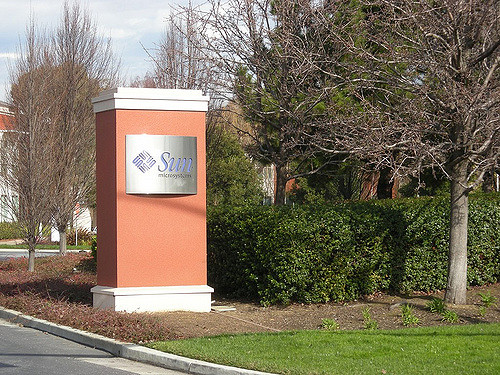
Sun Microsystems gate Menlo Park California in 2010

If you want to receive Katysblog posts by email, please sign up using the Sign Me Up! button (upper right).

Leave a comment

Filed under Church, Hopper - Anita Borg Institute, Mentoring & Other Business, Mentoring Standard, News & Reviews

What is Bad About Jail, What is Good About Jail

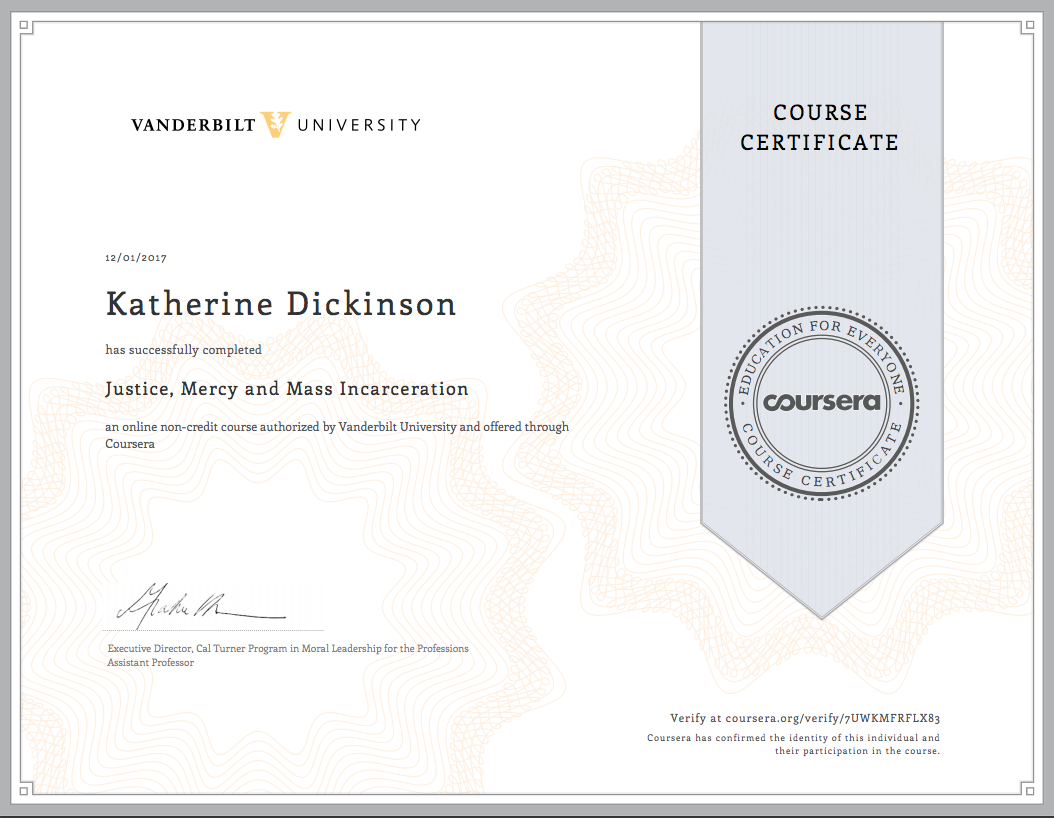
2017 Vanderbilt University Coursera Justice Mercy Mass Incarceration 1 Dec 2017

I recently finished a fascinating six week Vanderbilt University class called “Justice, Mercy and Mass Incarceration” presented through Coursera online.  The course goals were “to discover alternatives to the current systems of crime and punishment in order to imagine a more inclusive, just and moral society”.  It was taught by Graham Reside, Assistant Professor, Vanderbilt University Divinity School.  This is my second online class in the area of justice and criminology, the first being “Crime, Justice and Society” by The University of Sheffield, presented online by FutureLearn.  I am both interested in the topic and in the MOOC (massive open online course) method in which these classes are presented.

Since 2015, I have developed and led a seminar at Elmwood Jail in Milpitas, California, in the Silicon Valley. Our seminar curriculum and books are from the Education for Ministry (EfM) program of the University of the South – School of Theology. EfM is a four year college-level certification program, started in 1975. So far as we know, ours is the only jail-based EfM program, although there are two dozen prison-based programs in the USA. In addition to covering the official EfM material, in the seminar we also work on listening, respectful group interactions, study skills, and basic leadership skills – like how to open and close a class with prayer.

This jail-based EfM program is supported by the Correctional Institutions Chaplaincy, Episcopal Diocese of El Camino Real, St. Andrew’s Episcopal Church (Saratoga, California), and the University of the South – School of Theology. I worked with a group of volunteers from St. Andrew’s to start our first weekly seminar in a medium security dorm, and we have recently added a second weekly seminar in a minimum security dorm. Two of the EfM students at Elmwood are in Year 3 (Church History), two are in Year 2 (New Testament), with the remaining students in Year 1 (Hebrew Bible). The EfM year is only nine months long but my Co-Mentors and I run the jail-based seminars back-to-back (since inmates do not get summer vacations).  About two thirds of the inmate students in our EfM seminar are men of color – mostly Latino – and the rest are white.  We conduct discussions in English (and Spanglish) but provide Bibles, Books of Common Prayer, and Dictionaries in both English and Spanish.

In leading this EfM seminar, I have observed many consequences of incarceration. One of my reasons for taking “Justice Mercy and Mass Incarceration” was to understand more of the context of what I am observing when I am teaching in jail. Last month, I told the seminar students about the “Justice, Mercy, and Mass Incarceration” class and asked them to tell me one good thing and one bad thing about being in jail. Here is what six of them said:

What is Bad About Jail

  • I don’t see my family.
  • Some innocent people are punished (but not many).
  • I am not there for my kids.
  • I can’t be there to help my wife when she needs me.
  • Not being there for loved ones: I am frozen, unable to do anything.
  • Being a number – losing who you are.
  • I never get the time back.
  • I have no say. I am less of a citizen.
  • I am treated as low in the hierarchy.
  • There is no mercy, no leniency.
  • I can’t be there for my babies, my wife. I am hurting.
  • I am missing my family.
  • I lose my job, my apartment, my wife and kids, my paycheck, everything.

What is Good About Jail

  • Takes evil off the street.
  • Families are safe from bad people.
  • I have a clear mind. I am closer to God.
  • I have more belief, more faith, more spirituality. I am more close to God.
  • I have free time to spend on prayer, sobriety, like the worst-ever vacation. We can be with ourselves without a phone or Facebook.
  • If I stay clean, I have a clear mind, can reflect and prepare for becoming a better person out there.
  • I can clear my mind, rethink decisions on things I have done (and things I did not get caught for).
  • I can stay off drugs, not putting poison into my system.
  • It has made me think, be a better person. Reflection, closer to God. I am learning a lot.
  • There is free medication (health care).

There are connections and discrepancies between what “Justice, Mercy, and Mass Incarceration” teaches and what the EfM student inmates say. They agree on the benefit of taking violent, evil, bad people off the street. They also agree that imprisonment has the potential for supporting personal reform – inmates rethinking who they have been and who they want to become. “Justice, Mercy, and Mass Incarceration” does not spend a great deal of time on effective reform but in the recommended 1998 documentary film “The Farm: Angola Prison”, several of the long-term inmates had clearly over time become very different people, positive forces in the prison community.  My hope for my EfM students is whether they are inside or outside, they can make a positive difference in the world.

2017 FutureLearn University of Sheffield Crime Justice and Society certificate July 2017

If you want to receive Katysblog posts by email, please sign up using the Sign Me Up! button (upper right).

Leave a comment

Filed under News & Reviews, Politics

Creating a Pitch for Lebanon

TechWomen Team Lebanon October 2017 San Francisco

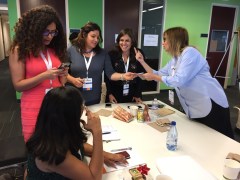
As a TechWomen Impact Coach for 2017 Team Lebanon, I am honored to serve for my seventh year in this remarkable mentoring program of the U.S. Department of State’s Bureau of Educational and Cultural Affairs (ECA).  Our team includes five Emerging Leaders from Lebanon (Lara Chikhani, Layal Jebran, Maya Itani, Rana El Chemaitelly, and Rasha Sukkarieh), plus three experienced mentors from the Silicon Valley: Mercedes Soria (Knightscope), Fatema Kothari (Verizon, and the Internet Society) and me.  We have been working hard for weeks at three TechWomen workshops plus twice a week remote meetings to develop our pitch for presentation this Friday.  Team Lebanon’s project is called “Ask an Expert” – a social enterprise to benefit senior citizens and refugees.  Wish us luck!

TechWomen Team Lebanon October 2017 San Francisco

TechWomen Team Lebanon October 2017 San Francisco

If you want to receive Katysblog posts by email, please sign up using the Sign Me Up! button (upper right).
Images Copyright 2017 by Katy Dickinson

1 Comment

Filed under Mentoring & Other Business, Mentoring Standard, News & Reviews