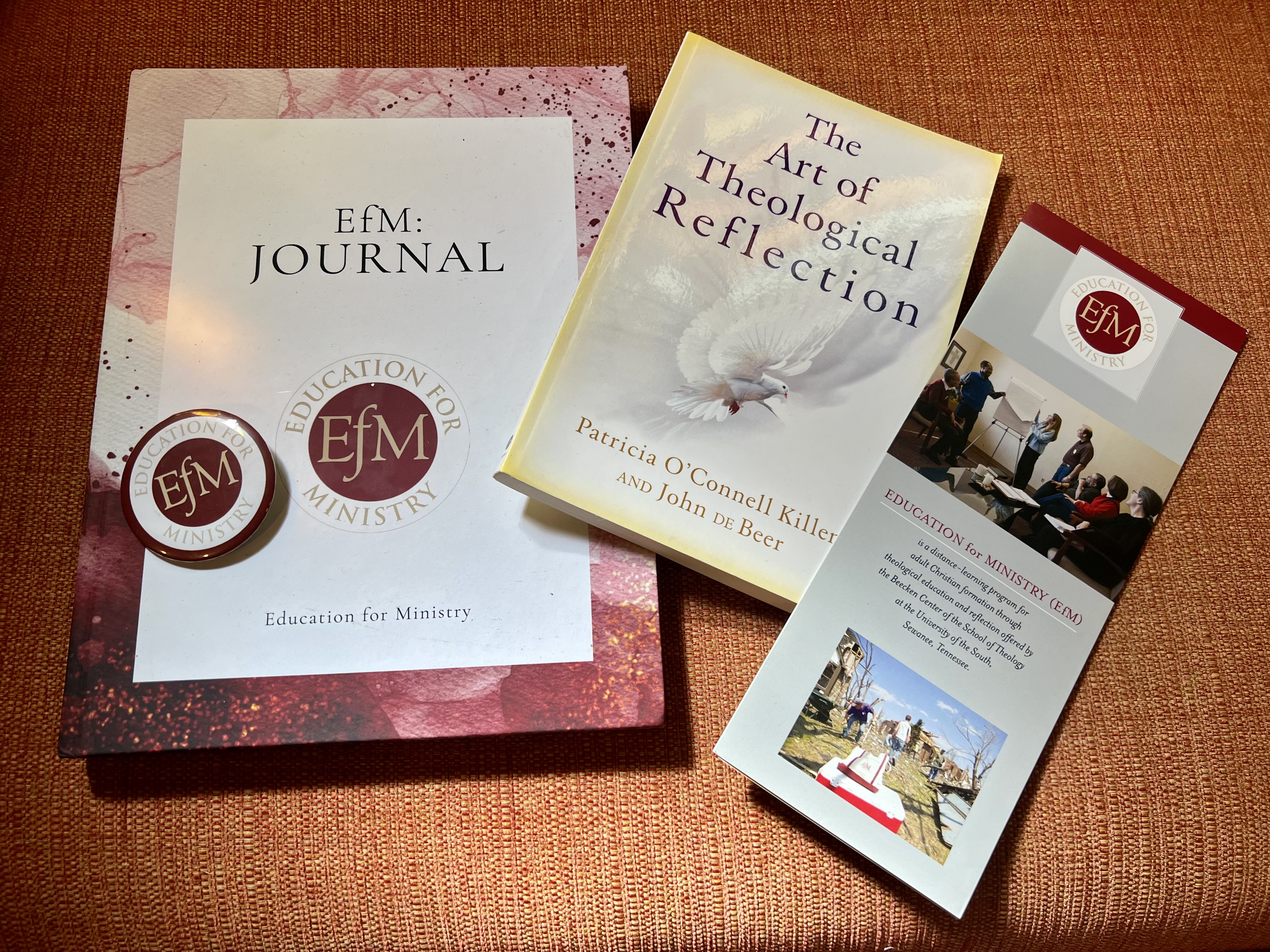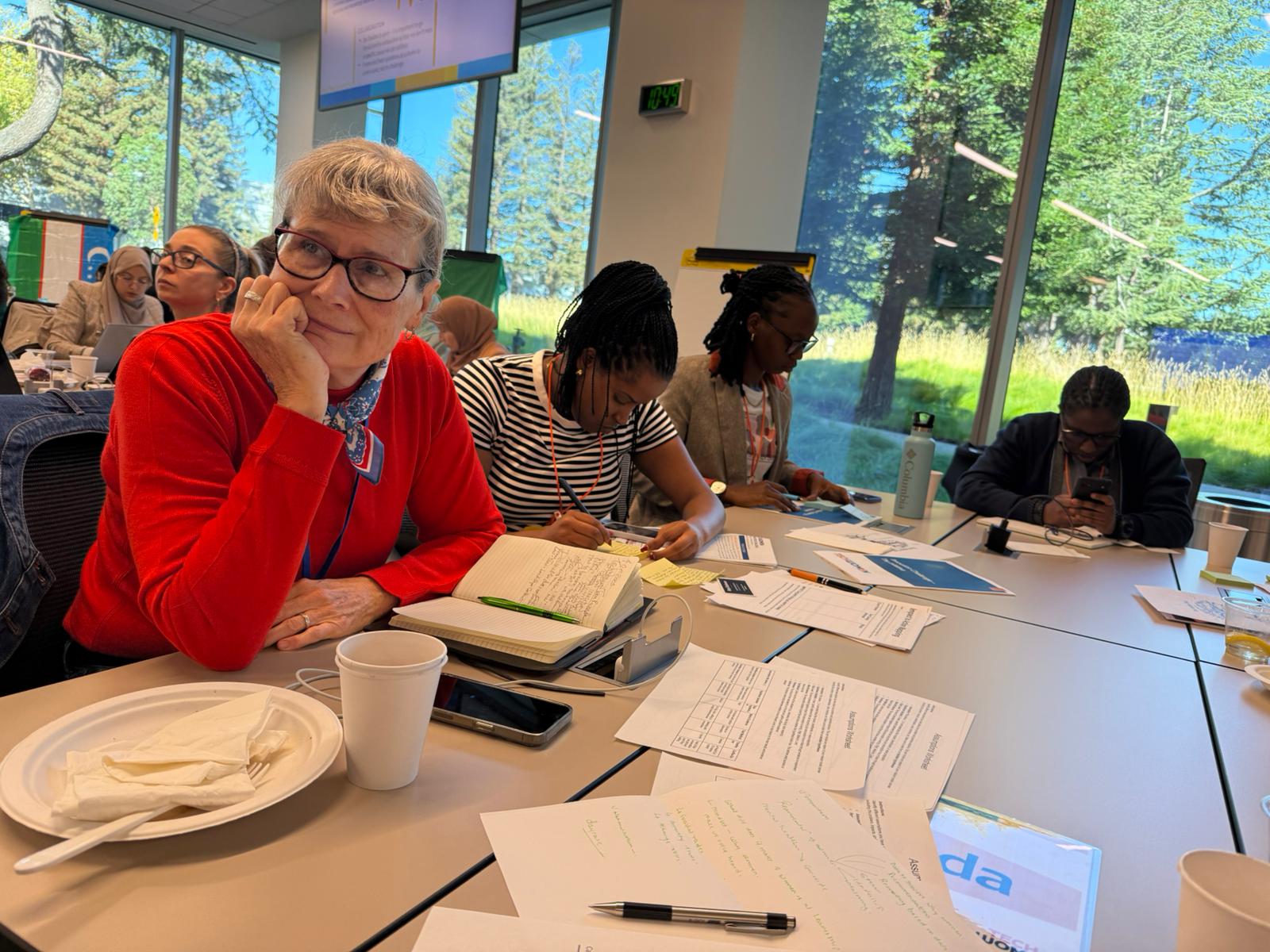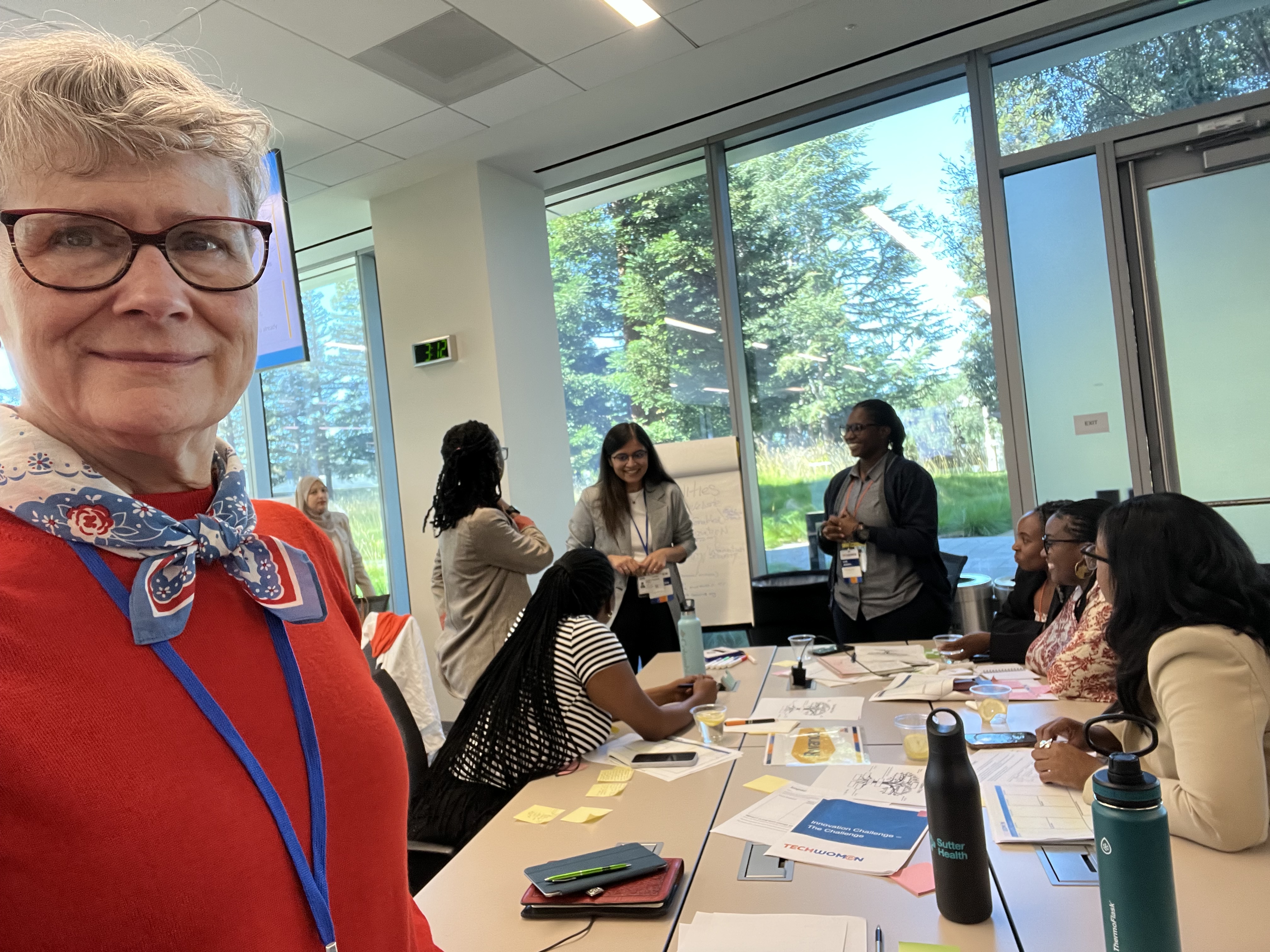
In 2011, I was first accredited as an Education for Ministry mentor with the University of the South – School of Theology. I am celebrating my 15th year as an EfM Mentor! This week, I update my accreditation in an inspiring online class with eight other mentors. About EfM,
“Education for Ministry (EfM) lives at the School of Theology of the University of the South in Sewanee, Tennessee. It is a unique four-year, small-group formation program based on study and practice in theological reflection. Since its founding in 1975, this international program has helped more than 120,000 participants discover and nurture their call to Christian service where they live, work, and play. EfM helps the faithful discover the Christian tradition, bringing it into conversation with their experiences of the world. EfM seminar groups develop theologically informed, reflective, and articulate seekers of God.”
In addition to renewing my accreditation, I am also getting ready for the first session of the weekly EfM seminar I manage. My Co-Mentor of the Rev. Joel Martinez, who was graduated as an EfM student, then went to the Virginia Theological Seminary to become a priest at St. Andrew’s Episcopal Church (Saratoga, California). We have seven student registered and hope for two more before class starts at the end of this month. I also lead two weekly in-jail seminars based on EfM with my husband John Plocher as Co-Mentor. That program was the subject of my 2025 Graduate Theological Union doctoral dissertation, “Transforming Literature of the Bible in Jail.”
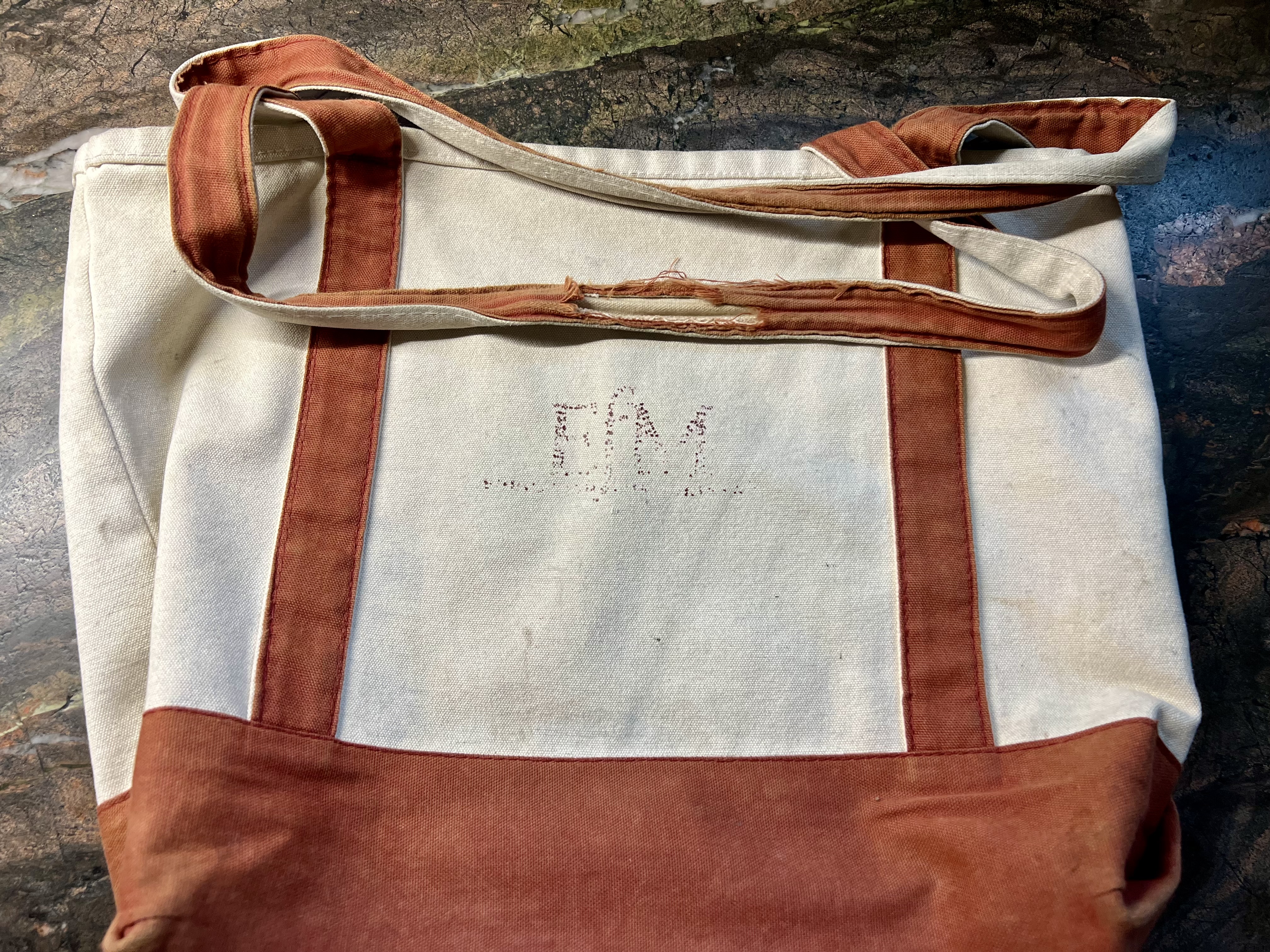
If there was a single object that represents EfM to me, it is my recently-retired canvas bag. I took this EfM bag into jail so often to bring books, scriptures, journals, pencils and other stuff to inmates, that it wore out. It sat beside me for years in jail dorms, interview rooms, book closets, and in a variety of carts. Good job, old friend.
Images Copyright 2026 by Katy Dickinson, If you want to receive Katysblog posted by email, please sign up using the Sign Me Up! field (upper right on Katysbloghome page).
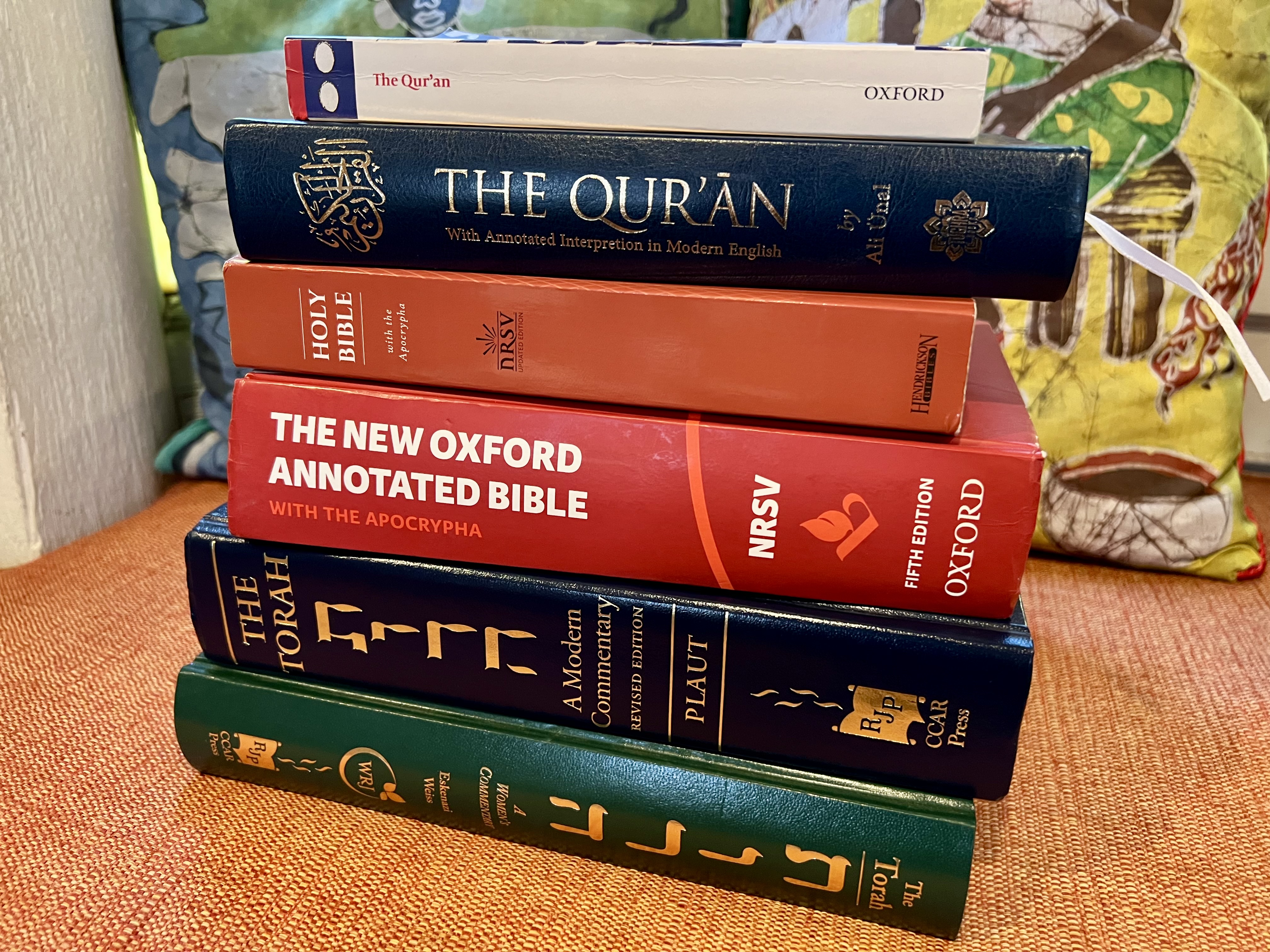
Pluralism supports diverse views in philosophy, religion, or society, allowing beliefs and power centers to share influence and views about reality. I have been teaching the Bible, ethics, church history, and theology in jail since 2015 in a context of Abrahamic religions (faiths that believe in one God and revere the heritage of the patriarch and prophet Abraham). In my understanding, there are many ways to follow God and God loves us all. In class, it is sometimes appropriate to present pluralistic examples from scriptures other than those of my own Christian faith. I just developed the attached handout to distribute to my class tonight. Here are the scriptures I present in the handout,
Qur’an
The [Muslim] believers, the Jews, the Christians, and the Sabians – all those who believe in God and the Last Day and do good – will have their rewards with the Lord. No fear for them, nor will they grieve. (Quran 2:62)
We have assigned a law and a path to each of you. If God had so willed, He would have made you one community, but He wanted to test you through that which He has given you, so race to do good: you will all return to God and He will make clear to you the matters you differed about. (Quran 5:48)
People, We created you all from a single man and a single woman, and made you into races and tribes so that you should get to know one another. (Quran 49:13)
(Arabic Translation: M.A.S. Abdel Haleem, The Qur’an, 2016)
Tanakh – Hebrew Bible
And God said,“Here is the sign I am giving you of the covenant between Me and you, and every living being with you, down to the last generation: I have placed My bow in the cloud – it will be a sign of the covenant between Me and the earth…When the bow is in the cloud, and I see it, I will remember the everlasting covenant between God and all living beings, all that live upon the earth.”
(Genesis 9:12-16, Hebrew translation: The Torah: A Modern Commentary, Ed: W. Gunther Plaut, 2006)
O ETERNAL One, Your faithfulness reaches to heaven; Your steadfastness to the sky; Your beneficence is like the high mountains; Your justice like the great deep; human and animal You deliver, O ETERNAL One. How precious is Your faithful care, O God! Humankind shelters in the shadow of Your wings. They feast on the rich fare of Your house; You let them drink at Your refreshing stream. With You is the fountain of life; by Your light do we see light.
But I say to you: Love your enemies and pray for those who persecute you, so that you may be children of your Father in heaven, for he makes his sun rise on the evil and on the good and sends rain on the righteous and on the unrighteous. (Matthew 5:44-45)
“I am the good shepherd. I know my own, and my own know me, just as the Father knows me, and I know the Father. And I lay down my life for the sheep. I have other sheep that do not belong to this fold. I must bring them also, and they will listen to my voice. So there will be one flock, one shepherd. (John 10:14-16)
Then Peter began to speak to them: “I truly understand that God shows no partiality, but in every people anyone who fears him and practices righteousness[acts justly] is acceptable to him.” (Acts 10:34)
Welcome those who are weak in faith but not for the purpose of quarreling over opinions…Who are you to pass judgment on slaves of another? It is before their own lord that they stand or fall. And they will be upheld, for the Lord is able to make them stand…For we do not live to ourselves, and we do not die to ourselves. If we live, we live to the Lord, and if we die, we die to the Lord: so then, whether we live or whether we die, we are the Lord’s. (Romans 14:1-8)
After this I looked, and there was a great multitude that no one could count, from every nation, from all tribes and peoples and languages, standing before the throne and before the Lamb, robed in white, with palm branches in their hands. (Revelation 7:9)
(Greek translation: Holy Bible / New Revised Standard Version / Updated Edition, 2021)
Image Copyright 2026 by Katy Dickinson, If you want to receive Katysblog posted by email, please sign up using the Sign Me Up! field (upper right on Katysbloghome page).
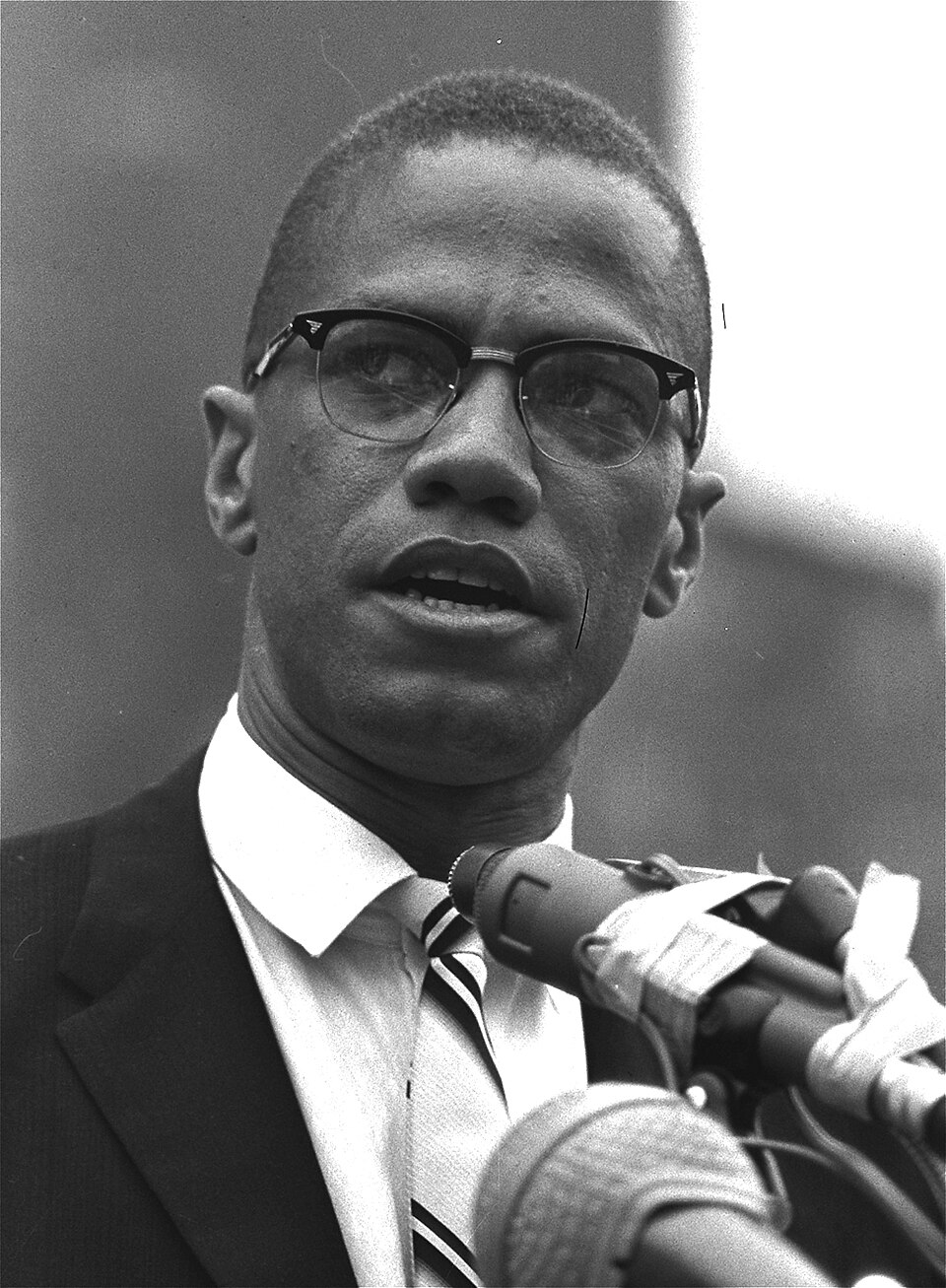
“There were tens of thousands of pilgrims, from all over the world. They were of all colors, from blue-eyed blonds to black skin Africans. But we were all participating in the same rituals, displaying a spirit of unity and brotherhood that my experiences in America had led me to believe never could exist between the white and non-white…I have never before seen sincere and true brotherhood practiced by all colors together, irrespective of their color.” – Malcolm X, “Malcolm X’s Letter from Mecca (April 20, 1964),” ICIT Digital Library, accessed 10 May 2026.
His powerful experience of the unity and brotherhood of Ummah at the Hajj inspired Malcolm X to change his life, his work, and his philosophy. As a jail chaplain, I am called to support incarcerated people of all religions and spiritual paths, including those who don’t think they have any. In my observation, the two primary religions to which Santa Clara County jail prisoners convert are Christianity and Islam, probably because those are the religions most US prisoners follow (Pew Research Center, Religion in Prisons – A 50-State Survey of Prison Chaplains, 22 March 2012). I see having a compassionate and informed understanding of faiths other than my own as part of my job.
If you want to receive Katysblog posted by email, please sign up using the Sign Me Up! field (upper right on Katysbloghome page).
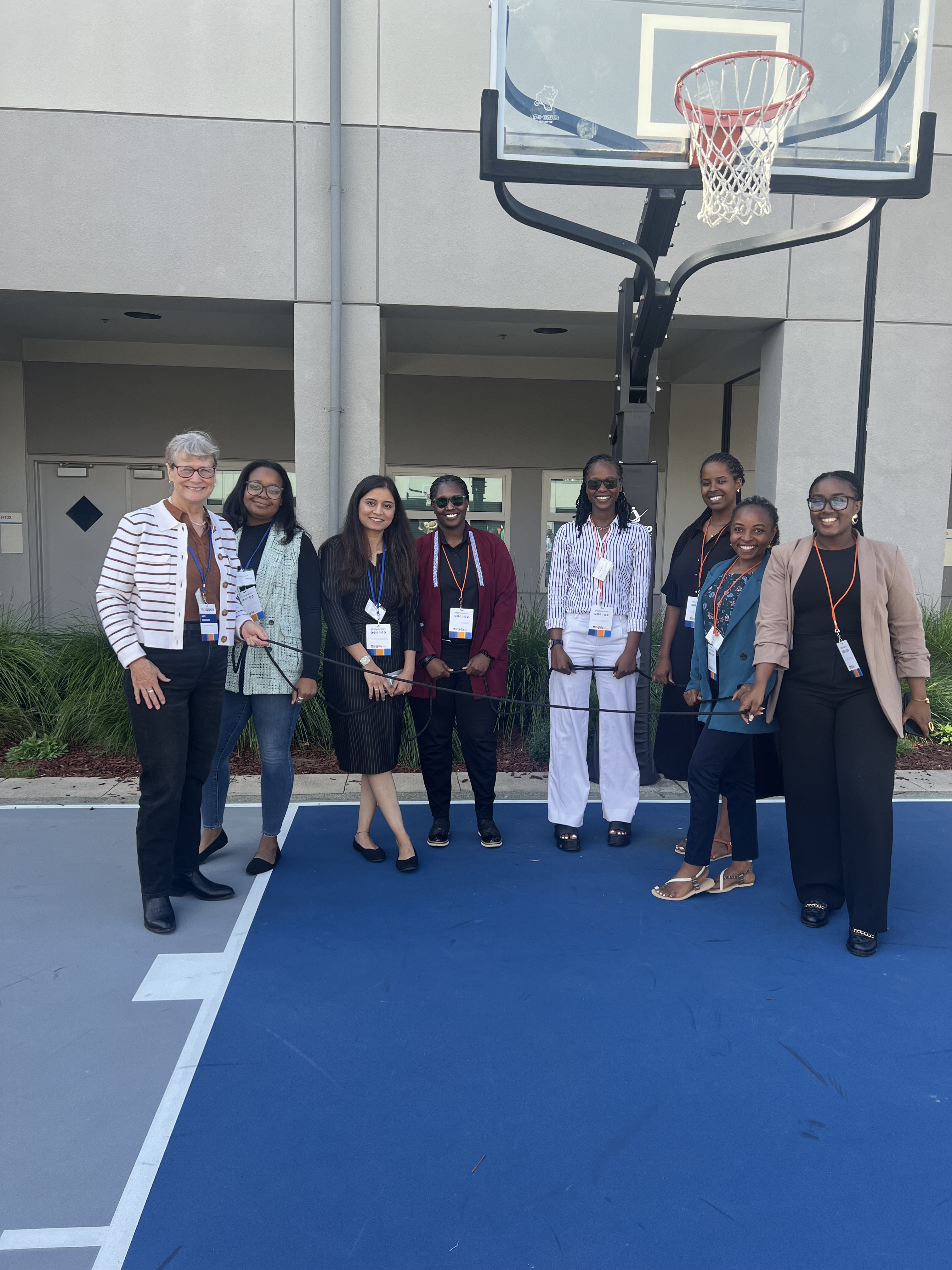
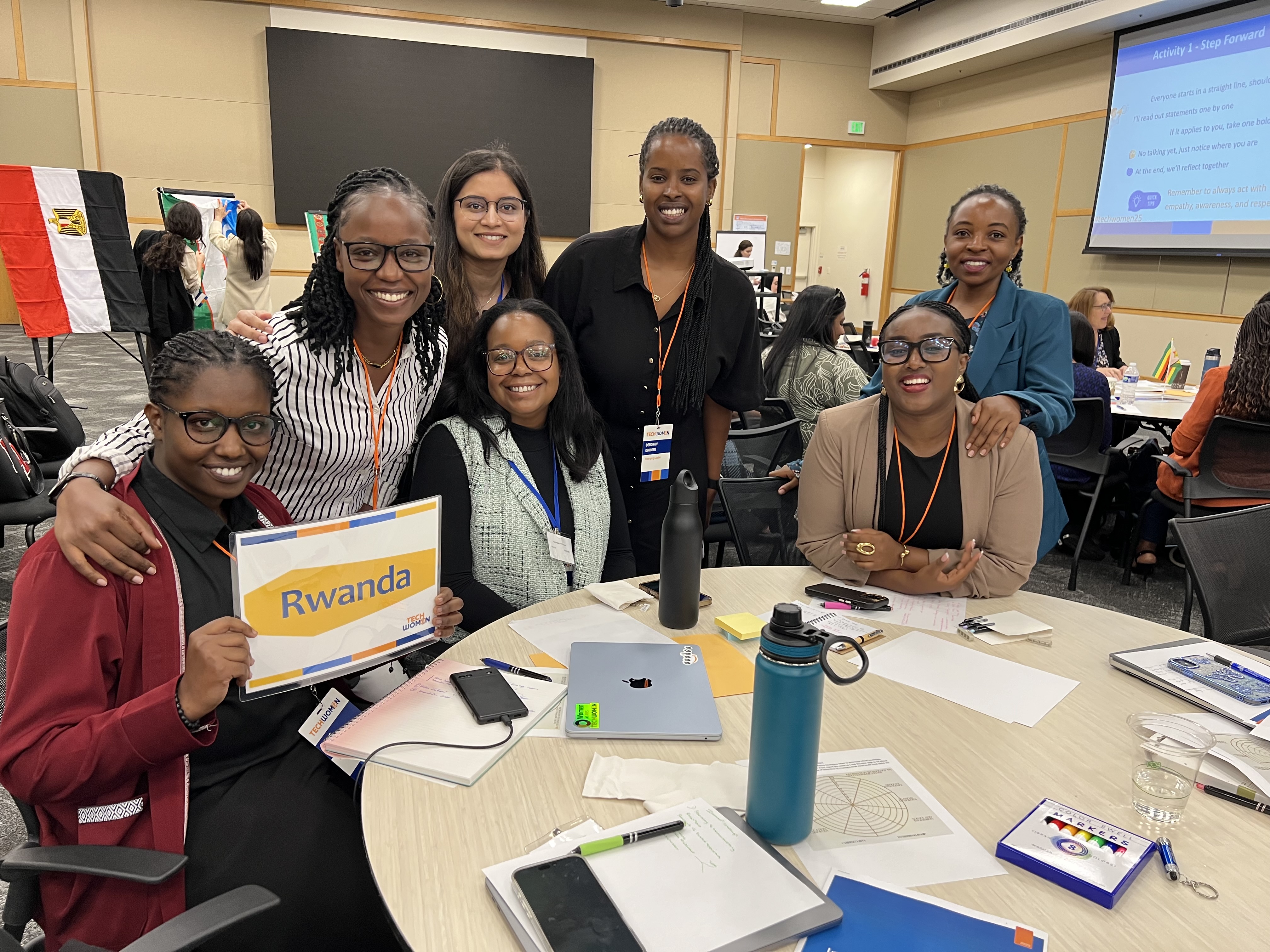
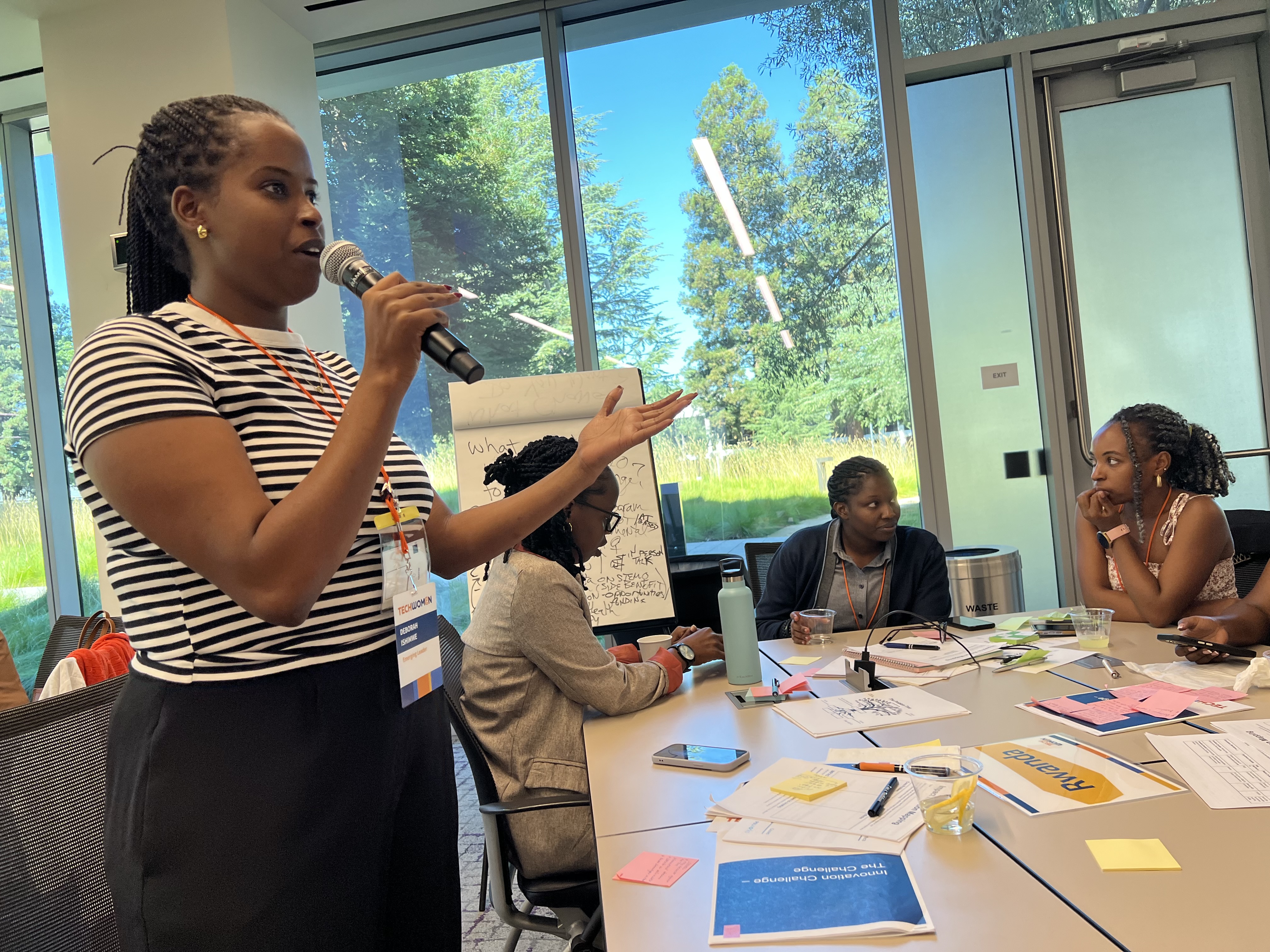
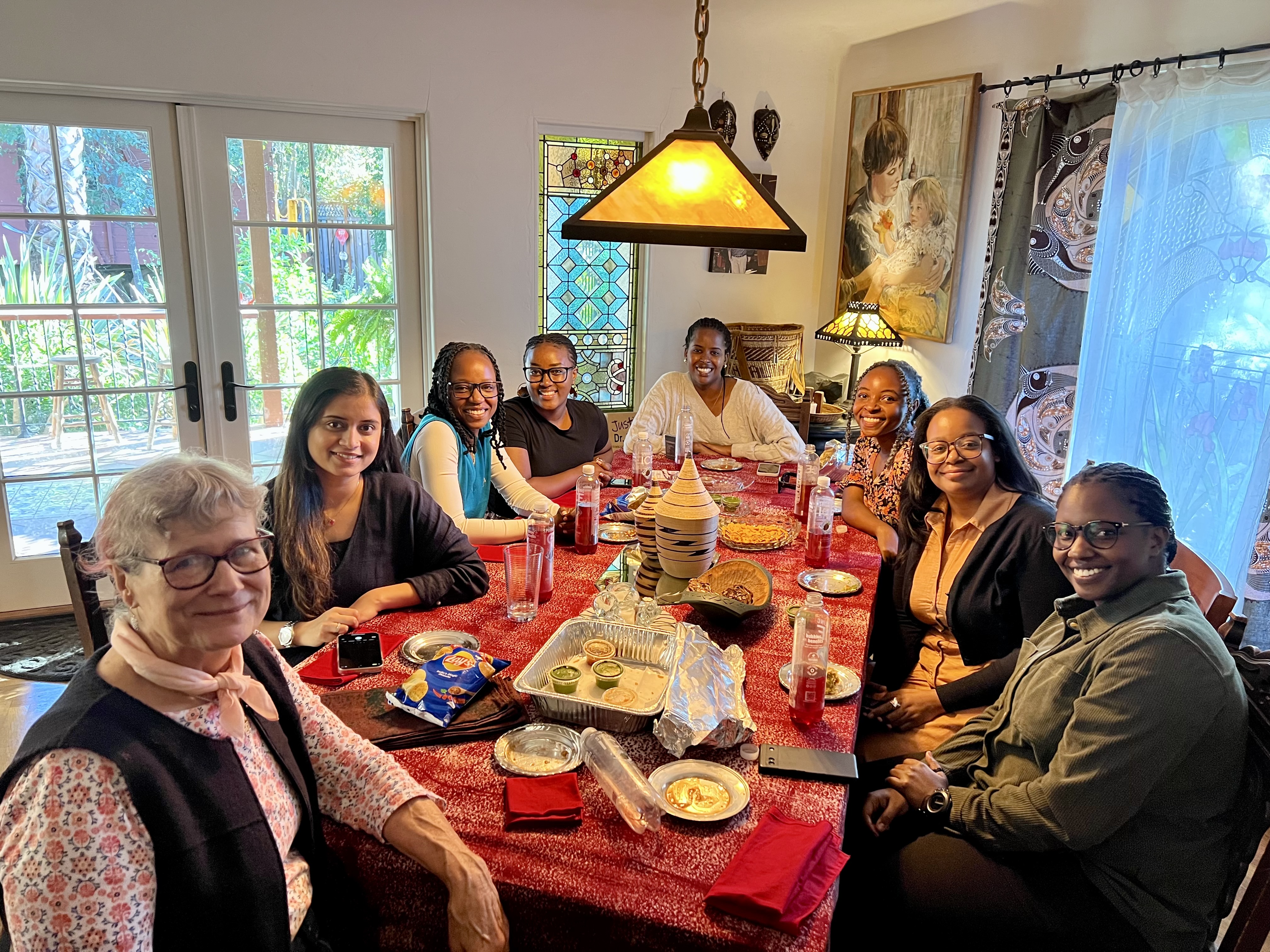
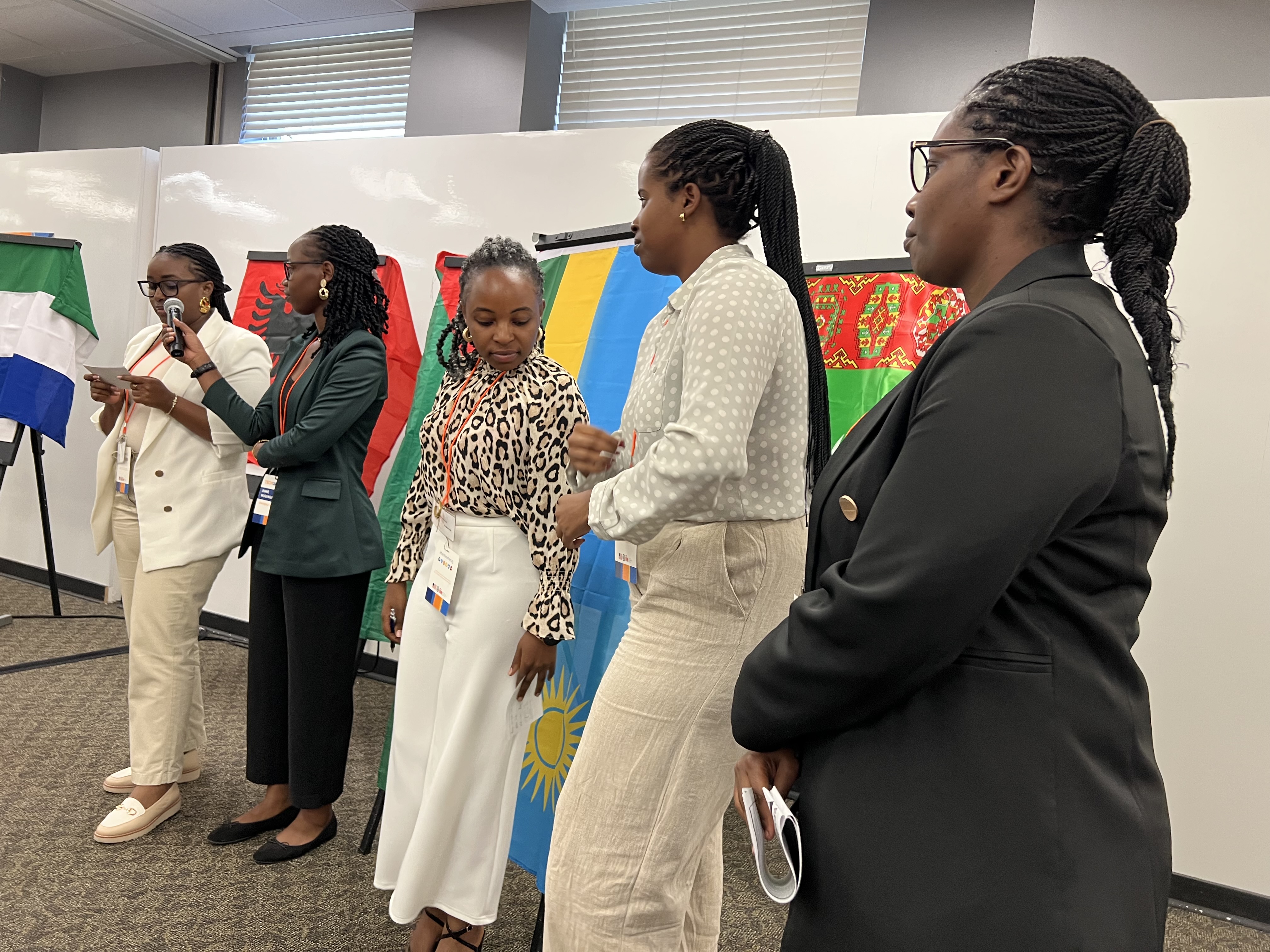
I am proud to be an Innovation Mentor for the US State Department’s TechWomen’s Team Rwanda! Three mentors (Keana Lucas, Rachana Mitkar, and me) had our first meeting online with the five Emerging Leaders on 2 October, followed by four intensive days developing project and presentation that will benefit Rwanda. On Sunday, we met at my house in San Jose, California, for dinner and further discussion. They enjoyed a tour of WP668, my railway caboose office. Yesterday, we gave our first project presentation. Here is more about what we are working on. Pretty good for such a short development period! We will refine and further develop this as we get feedback from colleagues and potential partners, and our understanding evolves.
Problem Statement: “In Rwanda, professional and academic women face underrepresentation in STEM fields because of the lasting impact of the 1994 Genocide against the Tutsi. This matters because generational trauma causes many women to carry the weight of depression, impostor syndrome, and self-doubt that quietly limit their potential. Greater representation of women in STEM will enhance productivity, expand opportunities, and inspire the next generation of young women.”
Project Description: “The KIRATECH (healing through technology) project creatively addresses the underrepresentation of Rwandan women in STEM by focusing on one of its most overlooked barriers: mental health challenges rooted in the lasting effects of the 1994 Genocide against the Tutsi. Many women continue to struggle with depression, impostor syndrome, and self-doubt that quietly limit their confidence and participation in science and technology. KIRATECH brings together technology, mental health advocacy, and community building to create a supportive digital ecosystem where women can heal, connect, and grow. At its core is an AI-powered chatbot that allows women in STEM to discuss mental health concerns confidentially or anonymously, offering a trusted space for emotional support and early intervention.
Key components of KIRATECH include a resource hub that connects users to professional counseling and mentorship programs through existing organizations, along with a community engagement section that promotes monthly meetups and annual conferences for peer support, networking, and shared learning. The “Share Your Story” section provides a platform for women to share experiences, highlight achievements, and inspire others through authentic storytelling that builds collective resilience.
The project team is currently refining the technical design of the chatbot to ensure it is culturally sensitive, multilingual, and responsive to diverse user needs. KIRATECH is also strengthening partnerships with mental health professionals and women-led STEM organizations to enhance credibility and sustainability. Together, these components aim to build a resilient community of women in STEM who are mentally supported, professionally empowered, and motivated to lead Rwanda’s future in science and innovation. Success will be measured through user engagement, mentorship participation, feedback from community events, and visible growth in women’s participation and leadership across STEM fields.”
I was honored to be part of the TechWomen 2014 delegation to Rwanda, which provided helpful background in my support of this year’s team.
Images (c) Copyright 2025 by Katy Dickinson. If you want to receive Katysblog posted by email, please sign up using the Sign Me Up! field (upper right on Katysblog home page).
As part of my Islamic Studies certificate, in the Spring 2025 term I took a Graduate Theological Union (GTU) class called, “Literary Analysis of Islamic and Jewish Texts.” I was fascinated by the ancient Islamic literature we studied, particularly Attar‘s biography of the famous Sufi woman Rabi’a (also called Rabia Basri and Rābiʼa al-ʼAdawiyya al-Qaysiyya, 716-801 CE) in his Memorial of the Friends of God; however, I saw such a strong connection between battlefield soldiers like the modern Israeli poet Yehuda Amichai and incarcerated people that I chose that as my topic. Here is my paper.
Battlefield soldiers and incarcerated people are both groups who may find suspicion and watchfulness of their surroundings help them to survive in a fast-changing and dangerous world. In the paper I included three feedback quotes from men in reentry or who are still incarcerated about my Transforming Literature of the Bible class and its use of poetry. I gave a copy of the paper to the Elmwood Jail class this week and am curious to hear what they think. Here are the quotes,
“Poetry has helped me to express myself in a unique way. When I try to do poetry by sitting down and thinking about it, I think it is not as authentic as a spontaneous one. For example if I’m laying in bed and I’m thinking about something I jump out of bed and just start writing. Those are the best poems I have written.”
“I read lots of poetry in the class. Every poetry that I read had positive stories that taught me to be a better person even when I was in jail. It taught me to be strong in my faith and that everything is possible when you have faith to follow. No matter what we go through, everything is going to be OK.”
“The Brilliant poetry that is introduced to us in relation to the topics of study, are everything from heart felt amazement, shockingly heroic, Educationally sound, & a way to give multiple perspectives & ways of understanding. Artist & Poets…Bring understanding and awe, I’ve called home at times in excitement.”
Image (c) Copyright 2025 by Katy Dickinson. If you want to receive Katysblog posted by email, please sign up using the Sign Me Up! field (upper right on Katysblog home page).
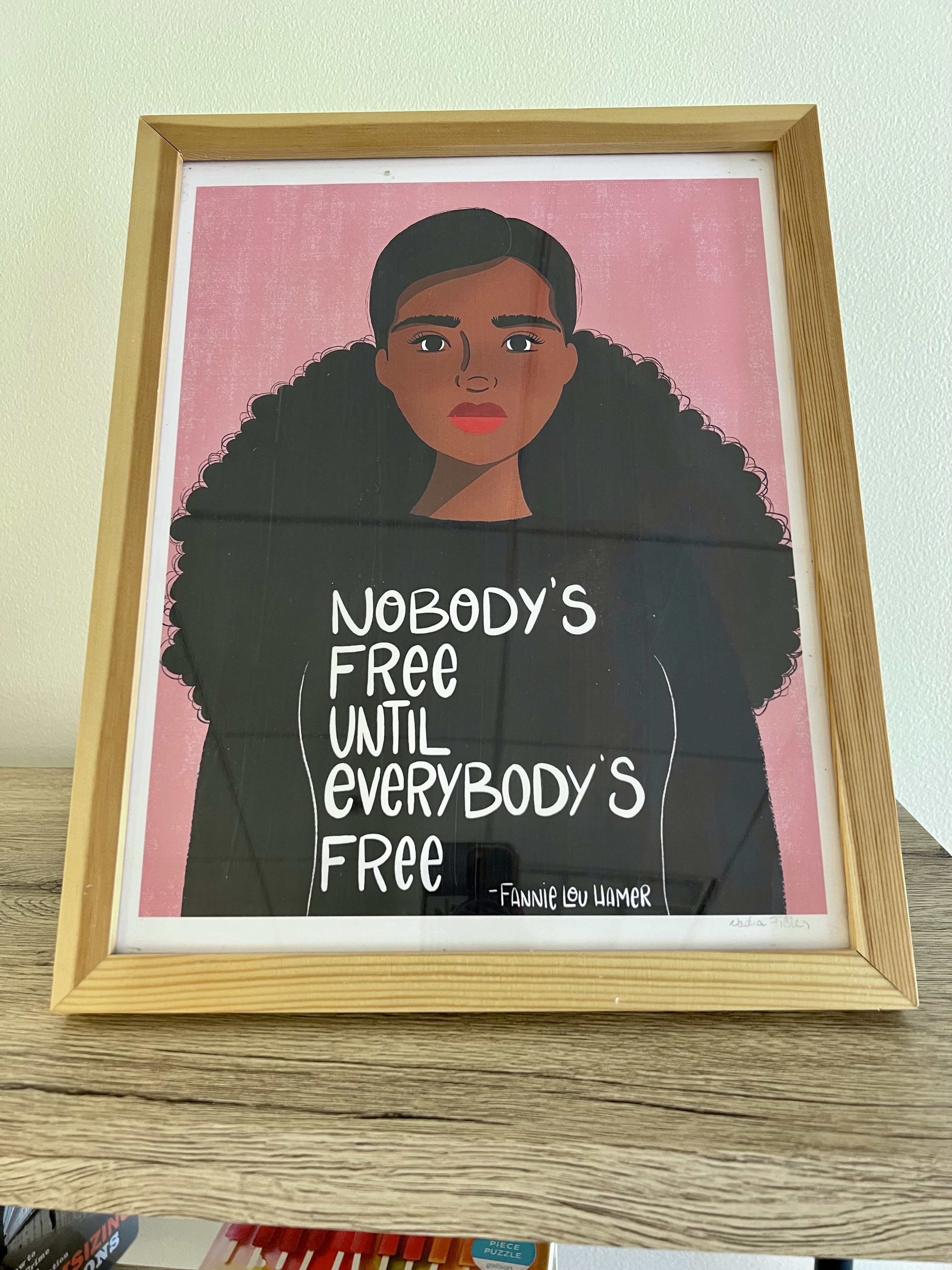
As part of my Islamic Studies certificate, in the Spring 2025 term I took a Graduate Theological Union (GTU) class called, “Martyrdom and Afterlife in the Qur’ān,” for which I gave a Presentation about notable American civil rights leader Fannie Lou Hamer. Our inspiring GTU professor was Dr. Mahjabeen Dhala. Part of my presentation explored what it meant for Hamer to be a martyr since martyrdom was a focus of our class discussions. I was happy to see a print of Fannie Lou Hamer decorating the offices of the Sentencing Project when I went to visit last week in Washington DC. Here is my Presentation.
If you want to receive Katysblog posted by email, please sign up using the Sign Me Up! field (upper right on Katysblog home page).
For most of my life, I have served as a lector in church. That is, I am one of those who regularly reads the holy scriptures assigned for the day during our weekly worship services. On 9 February 2025 at Saint Andrew’s Episcopal Church, I read the Old Testament passage, Isaiah 6:1-8, which includes a memorable description of angels (“each had six wings: with two they covered their faces, and with two they covered their feet, and with two they flew”) and concludes with, “Then I heard the voice of the Lord saying, “Whom shall I send, and who will go for us?” And I said, “Here am I; send me!” I love this passage because it is both a fascinating vision and a statement of vocation.
Variants of the phrase “Here am I; send me!” is in many places in the Bible, including, Genesis 22 (3 times), Genesis 27, Genesis 31, Genesis 37, Genesis 46, 1 Samuel 3 (5 times), 1 Samuel 12, 1 Samuel 14, 1 Samuel 22, 2 Samuel 15, Psalm 40, Isaiah 58, Isaiah 65 (twice), Jeremiah 26, Luke 1, Acts 9, 2 Corinthians 12, Tobit 2, Tobit 6, 1 Maccabees 6, and 2 Esdras 14. It is also the refrain of one of my favorite hymns, “Here I Am, Lord,” by Dan Schutte and St. Louis Jesuits (1981),
I, the Lord of sea and sky, I have heard my people cry. All who dwell in dark and sin My hand will save. I, who made the stars of night, I will make their darkness bright. Who will bear my light to them? Whom shall I send?
Here I am, Lord. Is it I, Lord? I have heard you calling in the night. I will go, Lord, if you lead me. I will hold your people in my heart.
I think of Isaiah 6:1-8 whenever I am lucky enough to visit the magnificent Hagia Sophia in Istanbul. Under the dome are four large paintings of six winged angels soaring over the immense and ancient worship space. When I was there last in 2024, I bought a scarf featuring an abstract painting of the dome and angels.
Last night in Elmwood jail, John Plocher and I were discussing the concept of vocation with our weekly class – and of course we discussed Isaiah 6:1-8. Some of the inmates felt a vocation for art or music or sports but many of them are still considering what God is calling them to do in their lives. John and I have just finished a four month term using the “Transforming Literature of the Bible” course on the Christian Testament. Next week is movie night and the guys voted to watch “War Horse.” In two weeks, we will start the next Hebrew Bible term and I will be asking them to notice every time someone says, “Here am I; send me!”
Images (c) 2024-2025 by Katy Dickinson. If you want to receive Katysblog posts by email, please sign up using the Sign Me Up! button (upper right on Katysblog home).