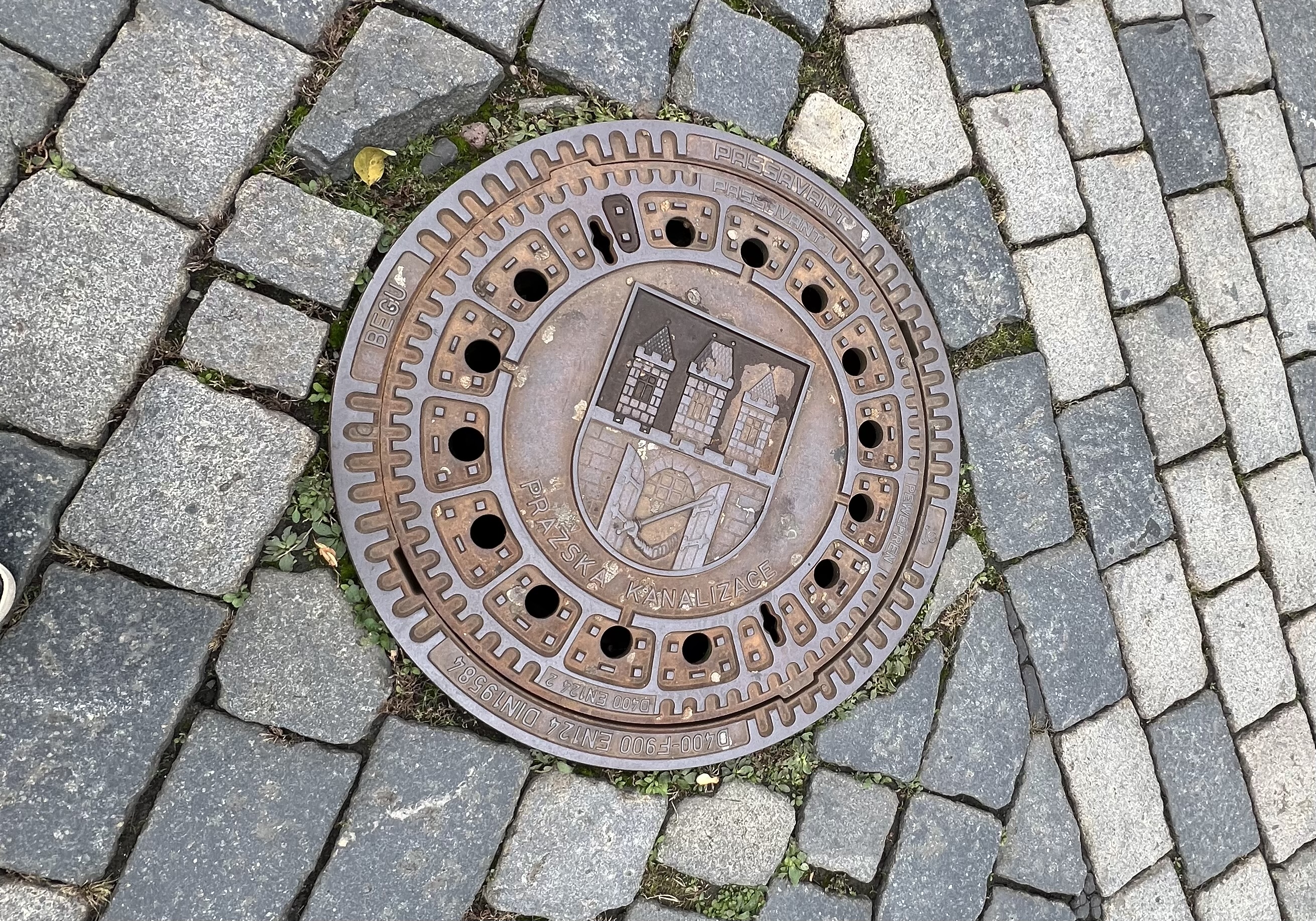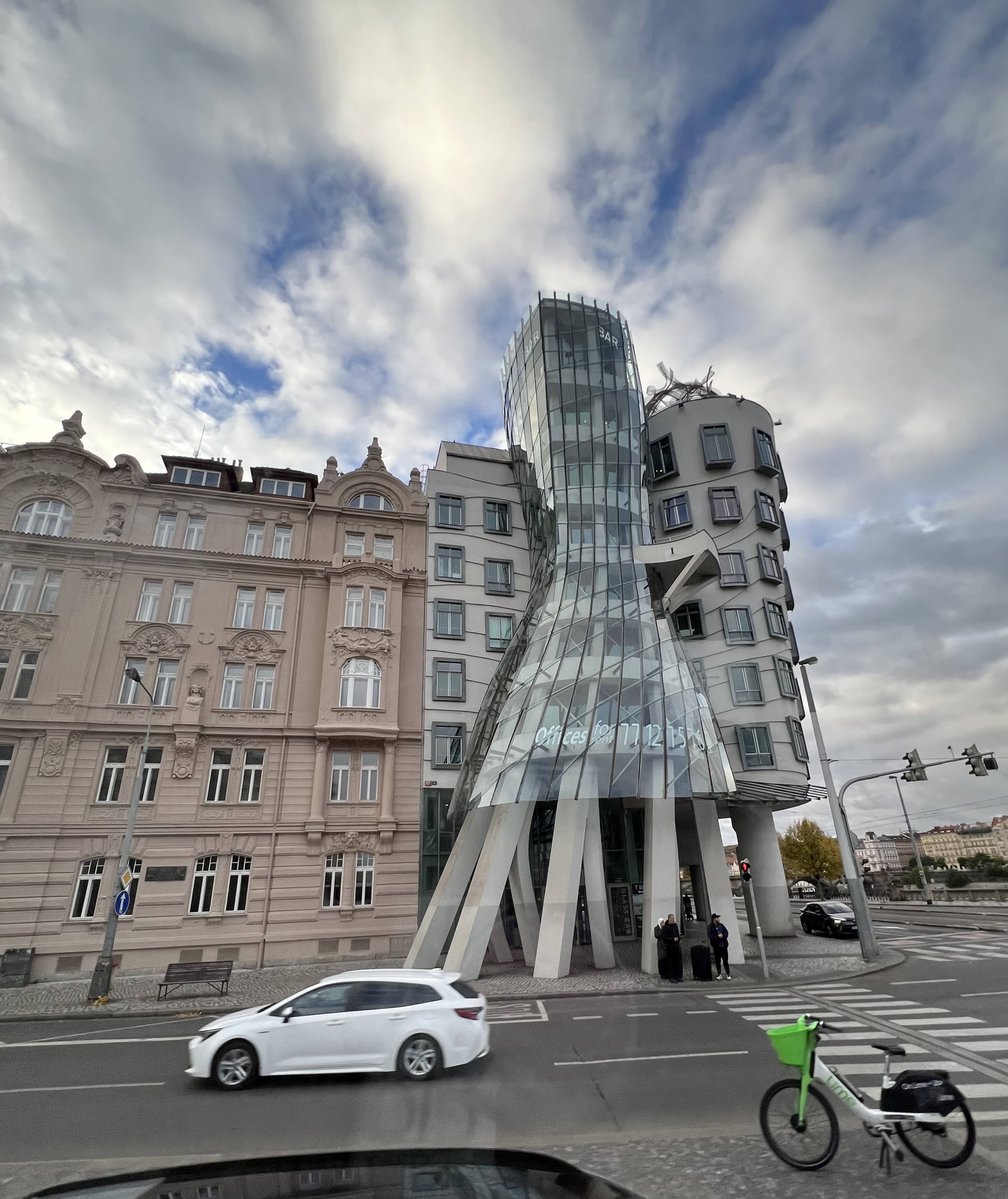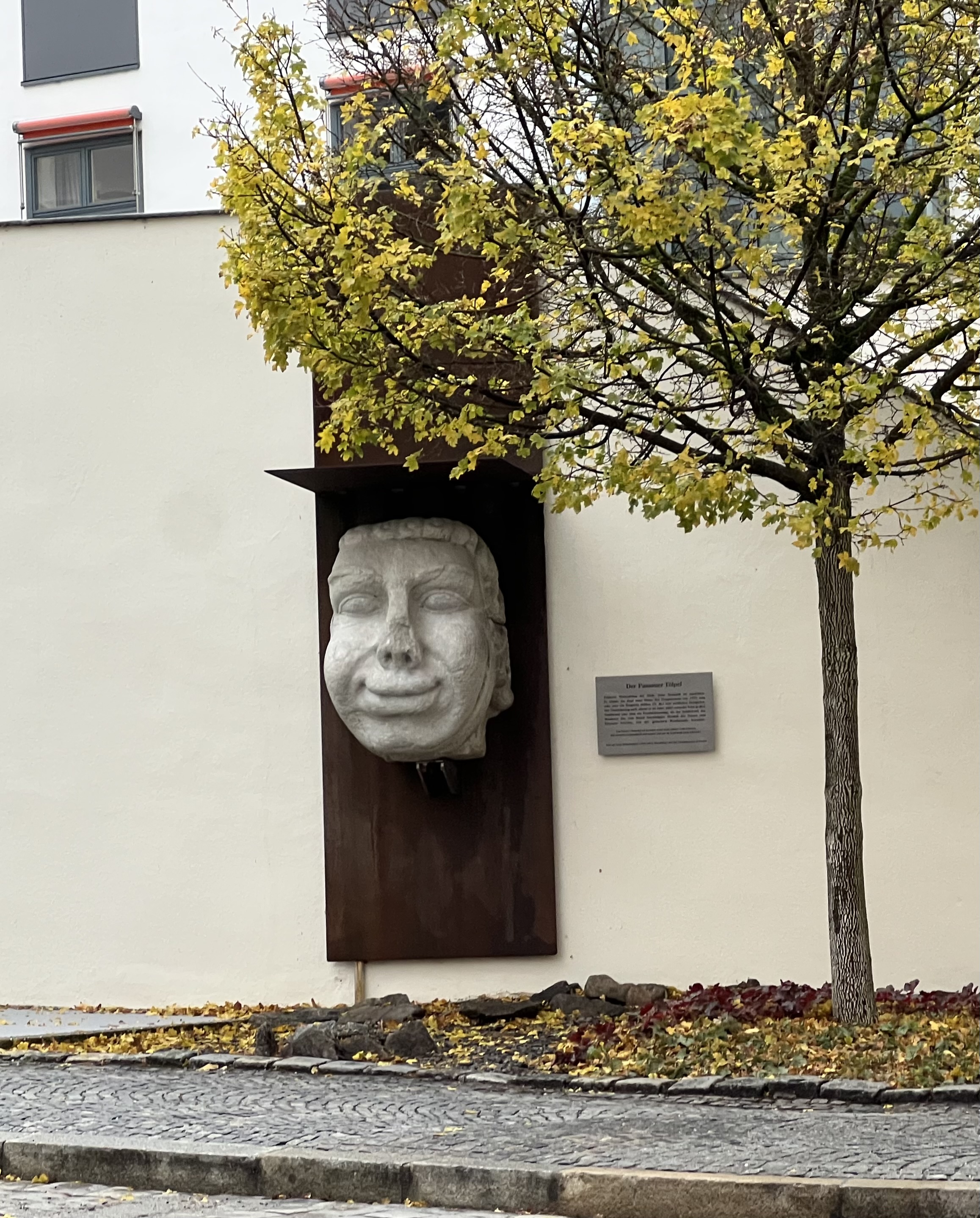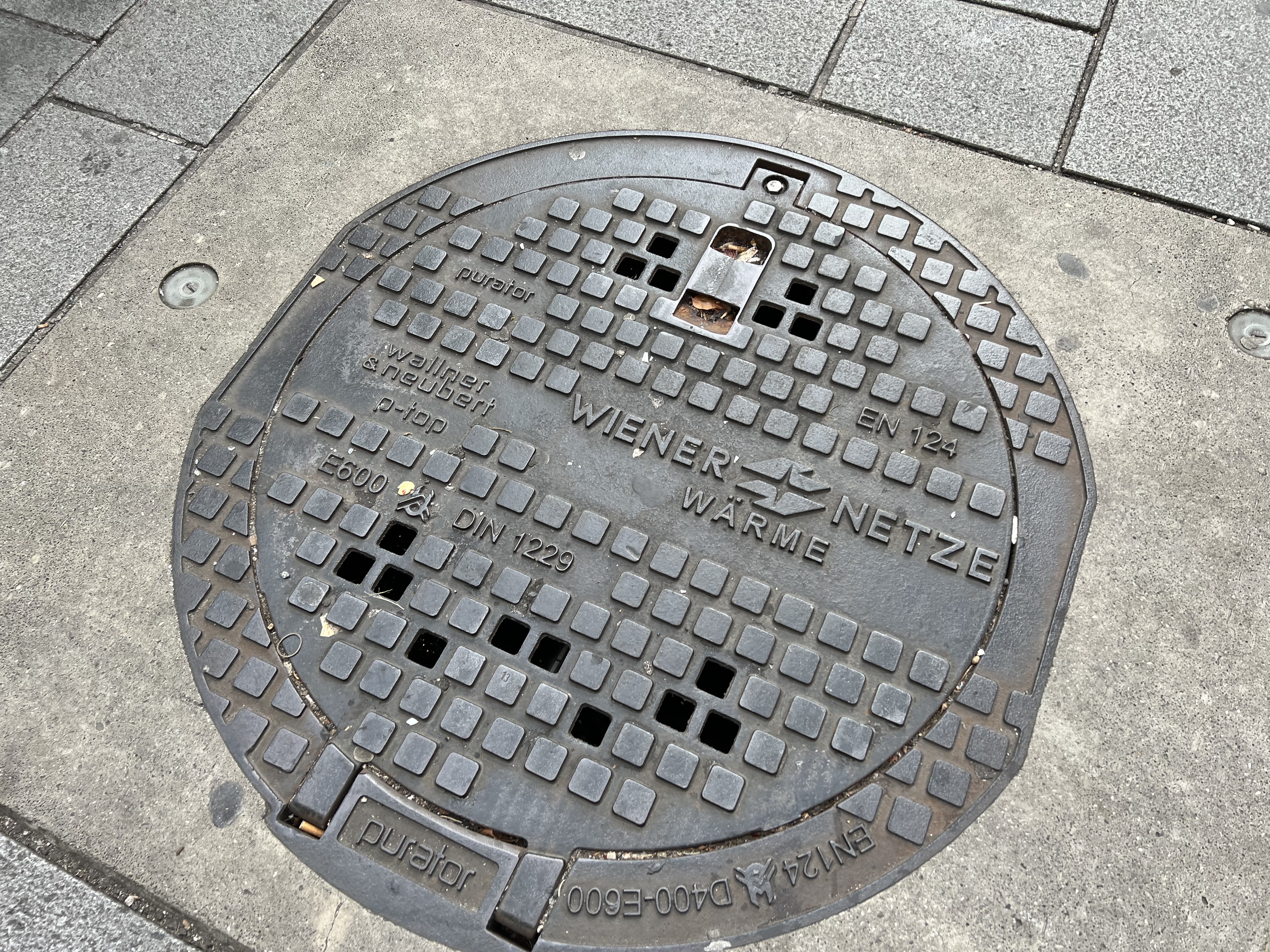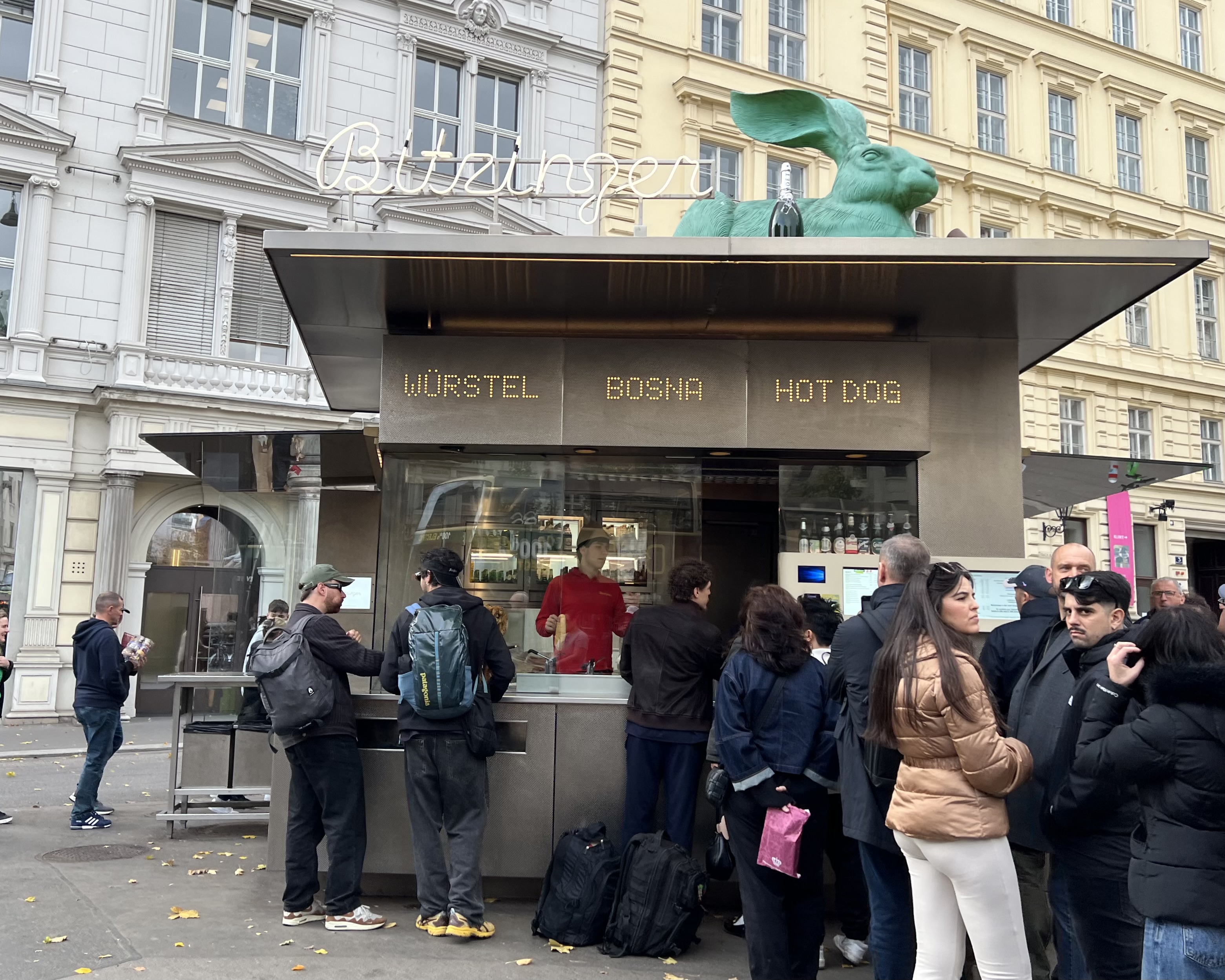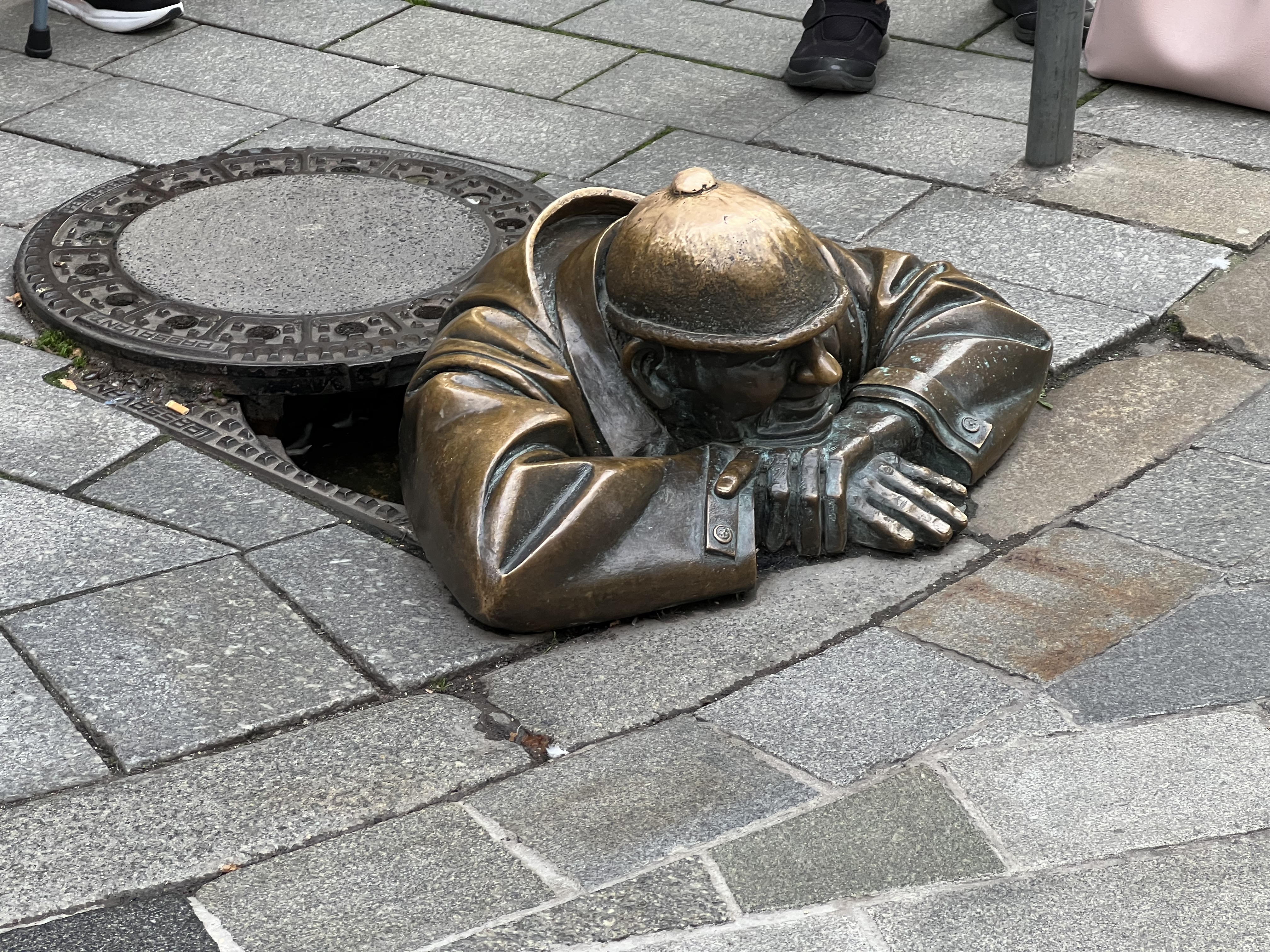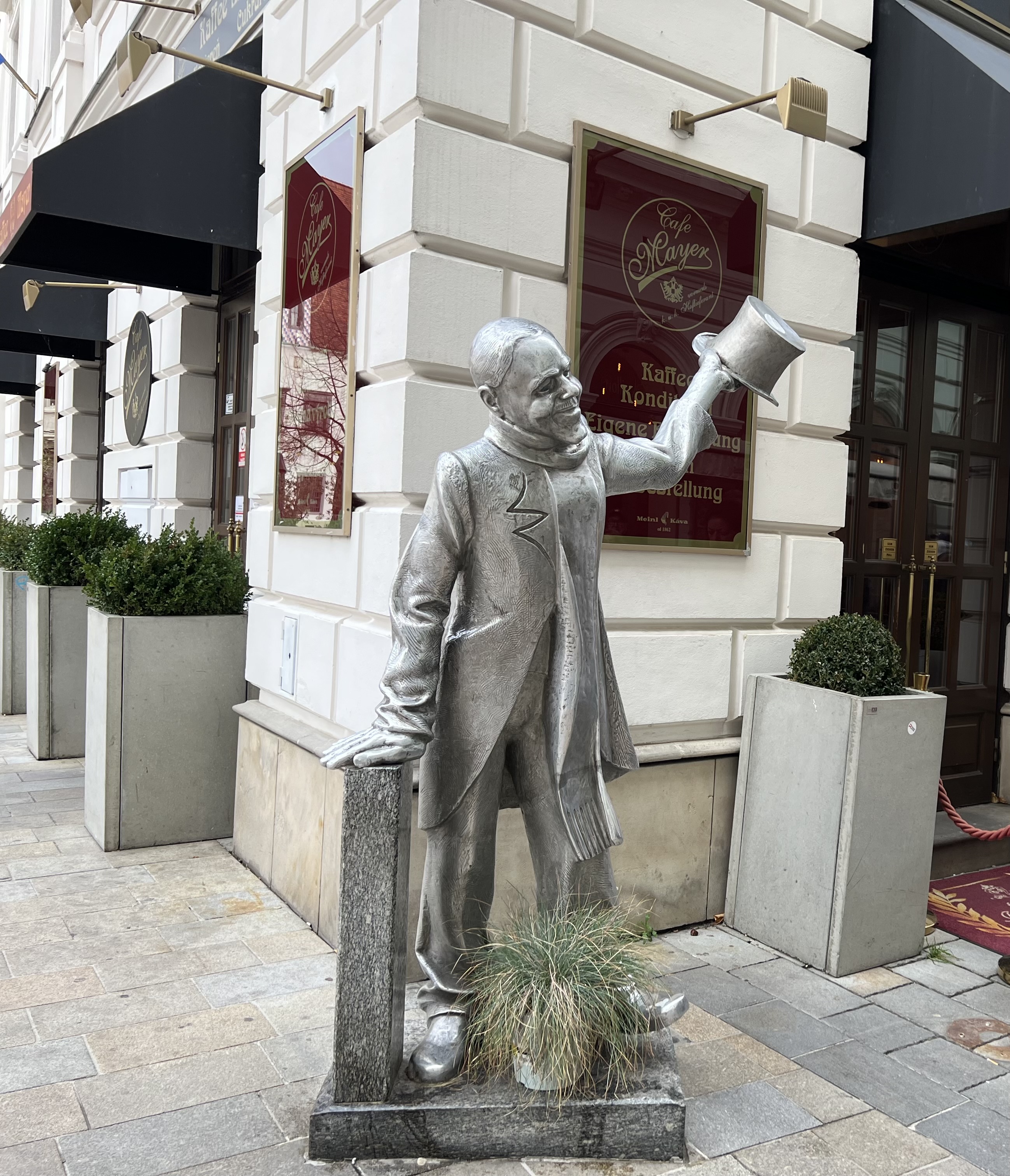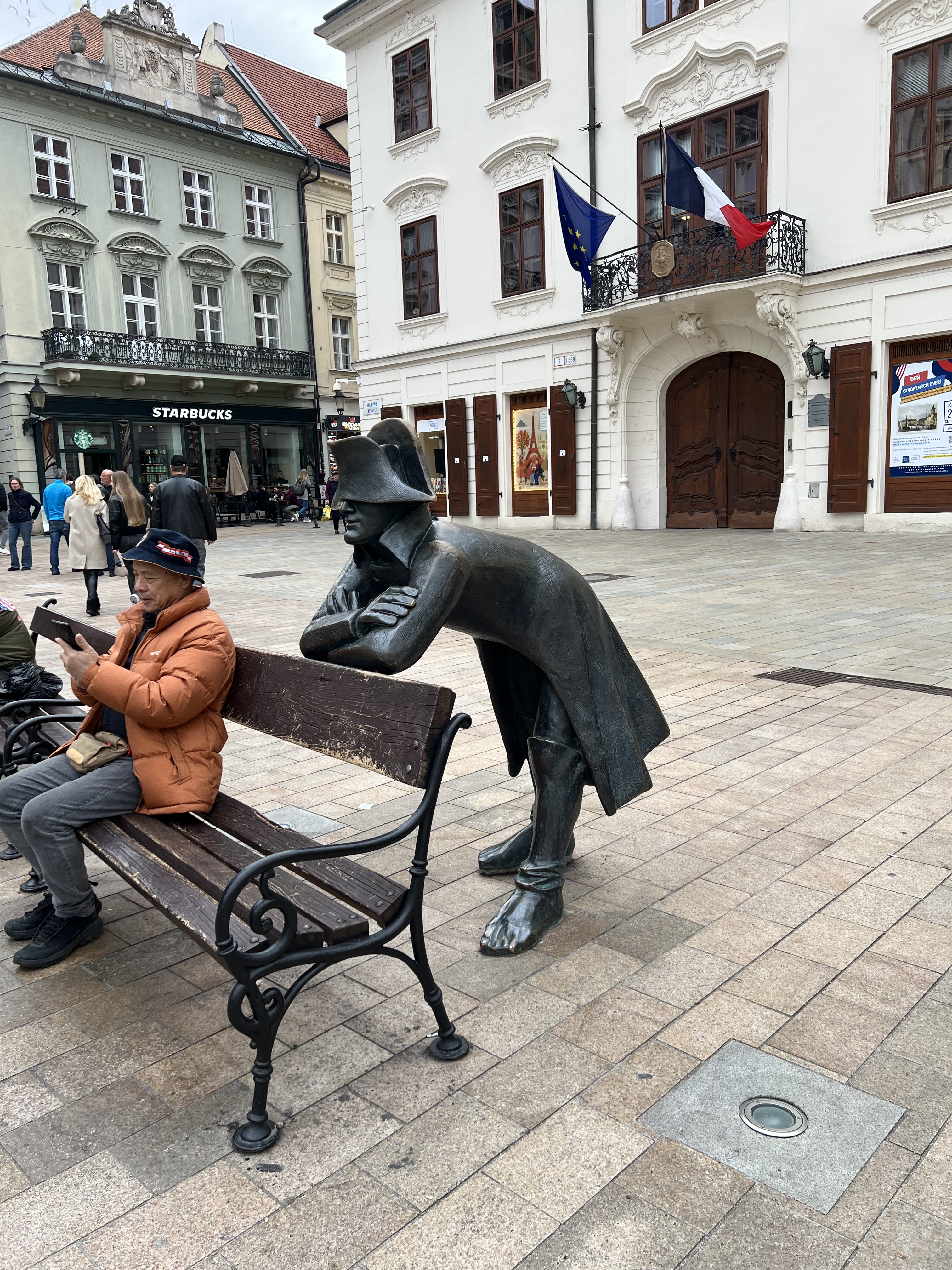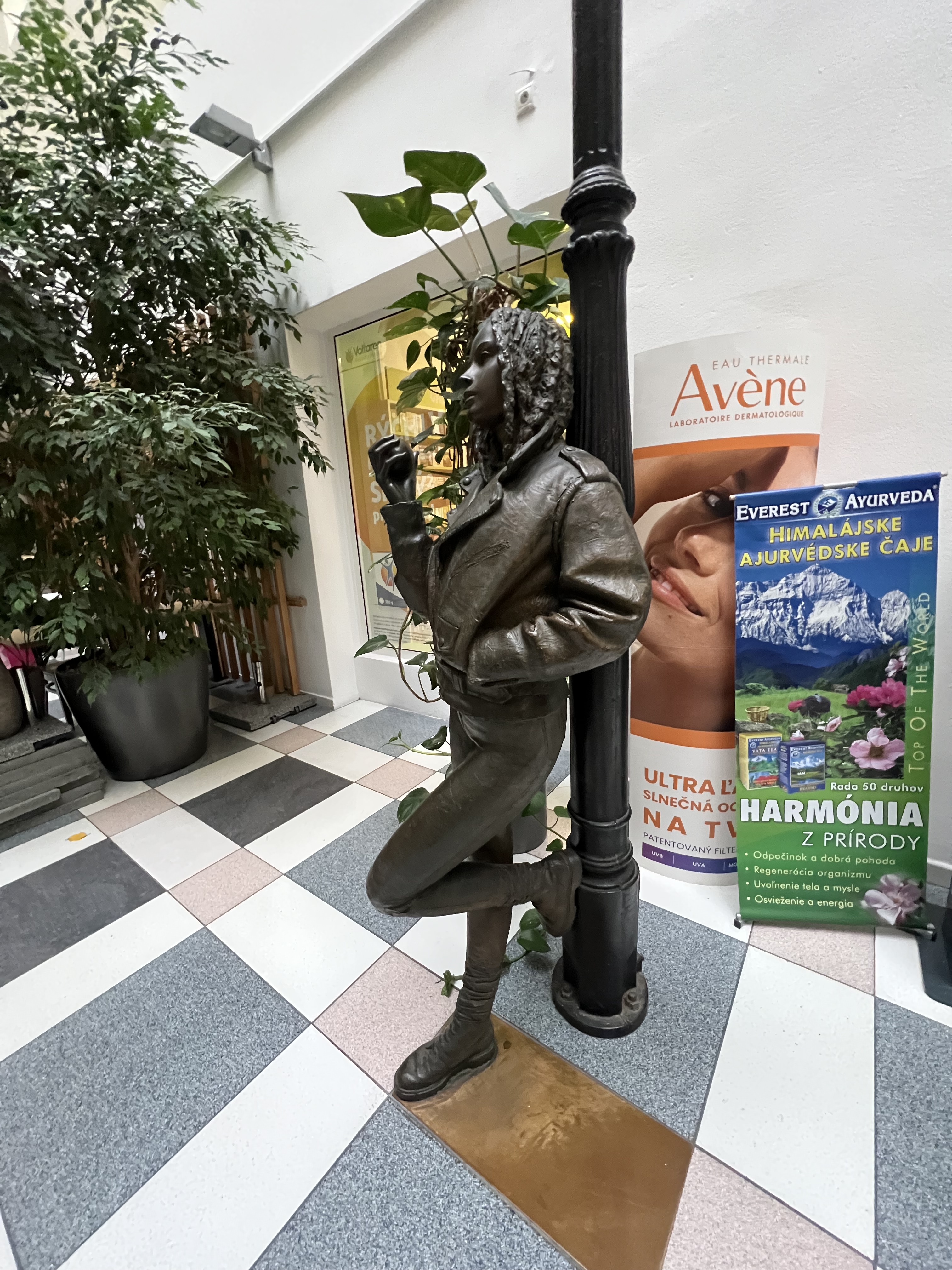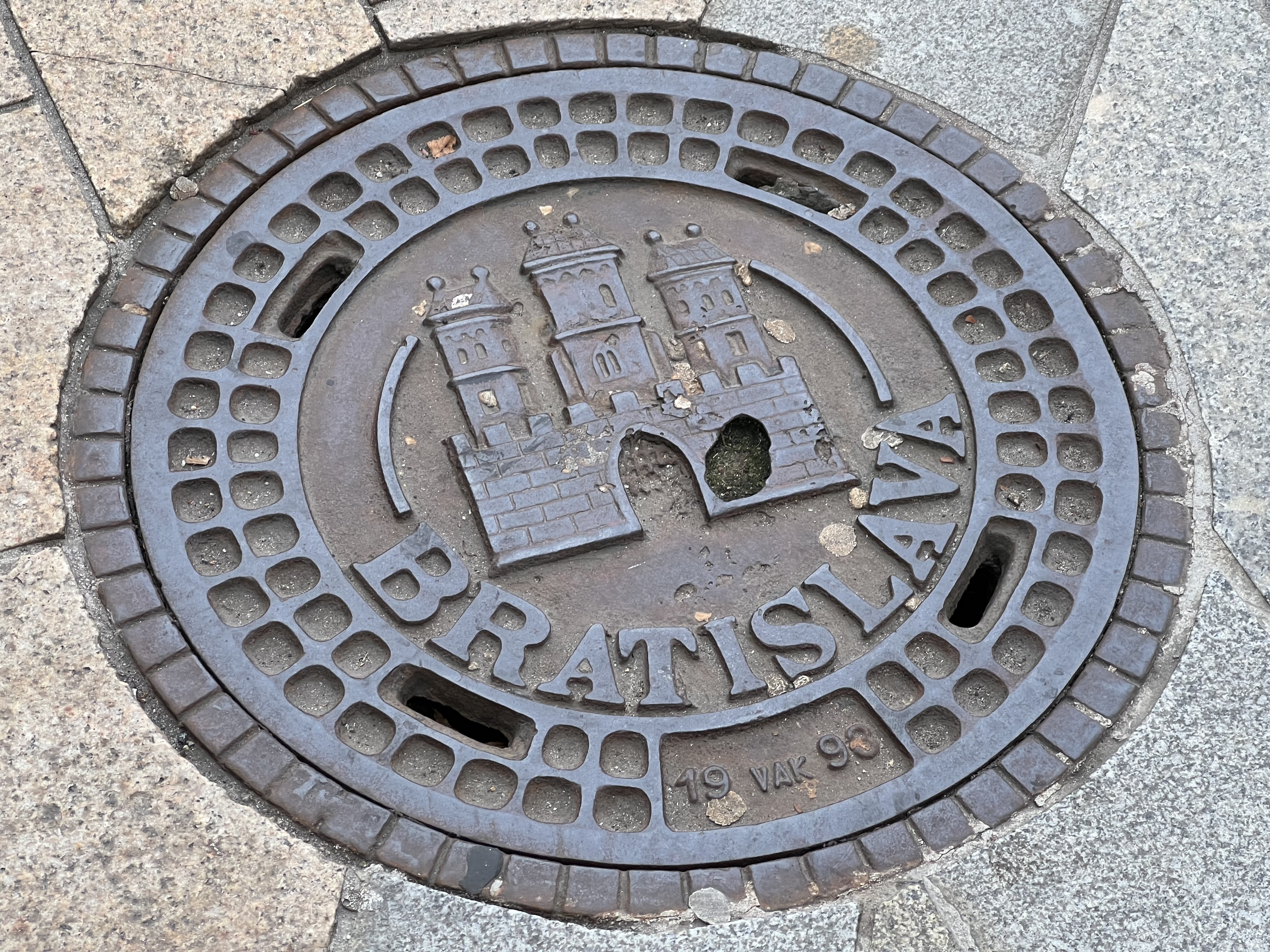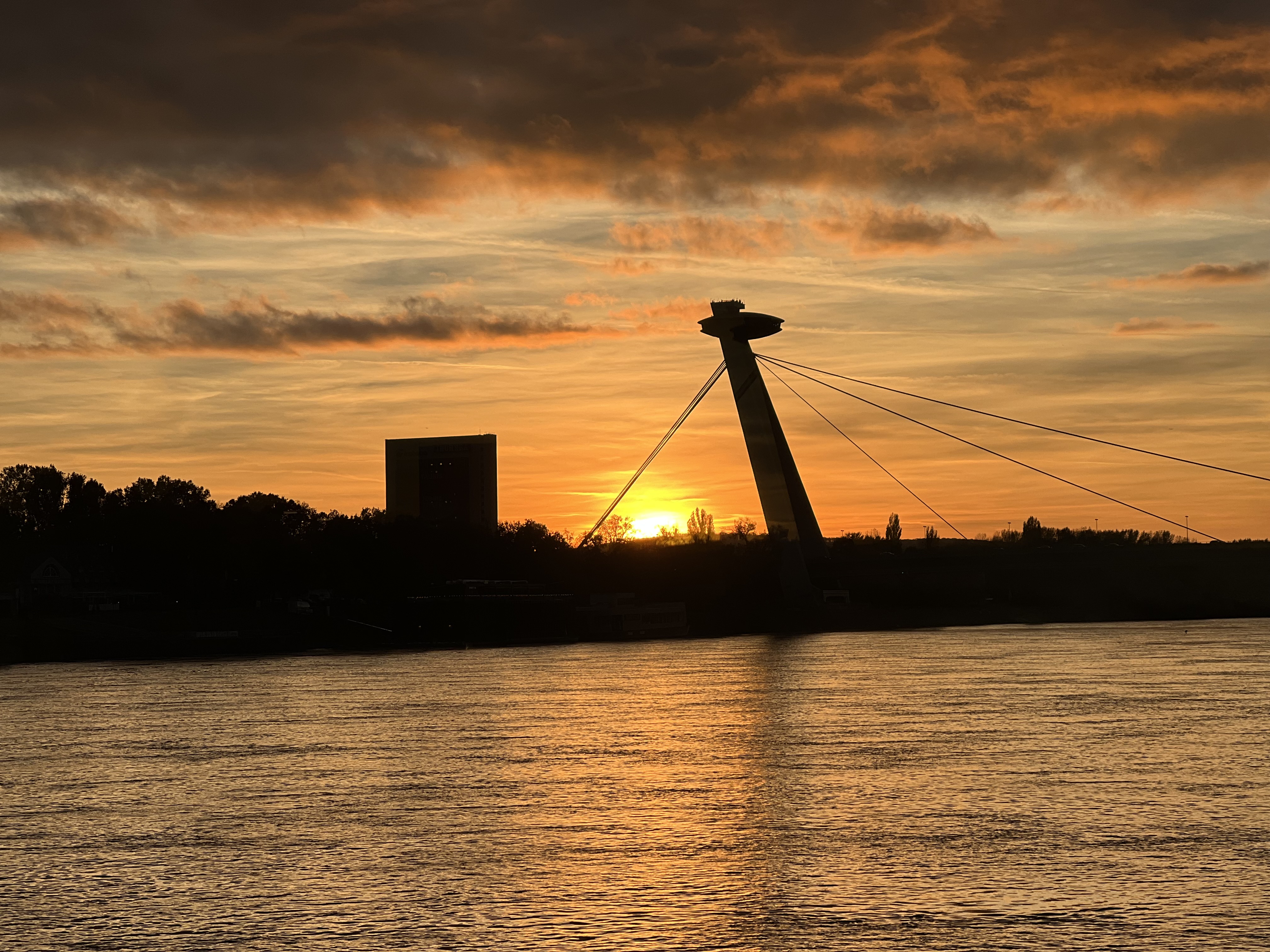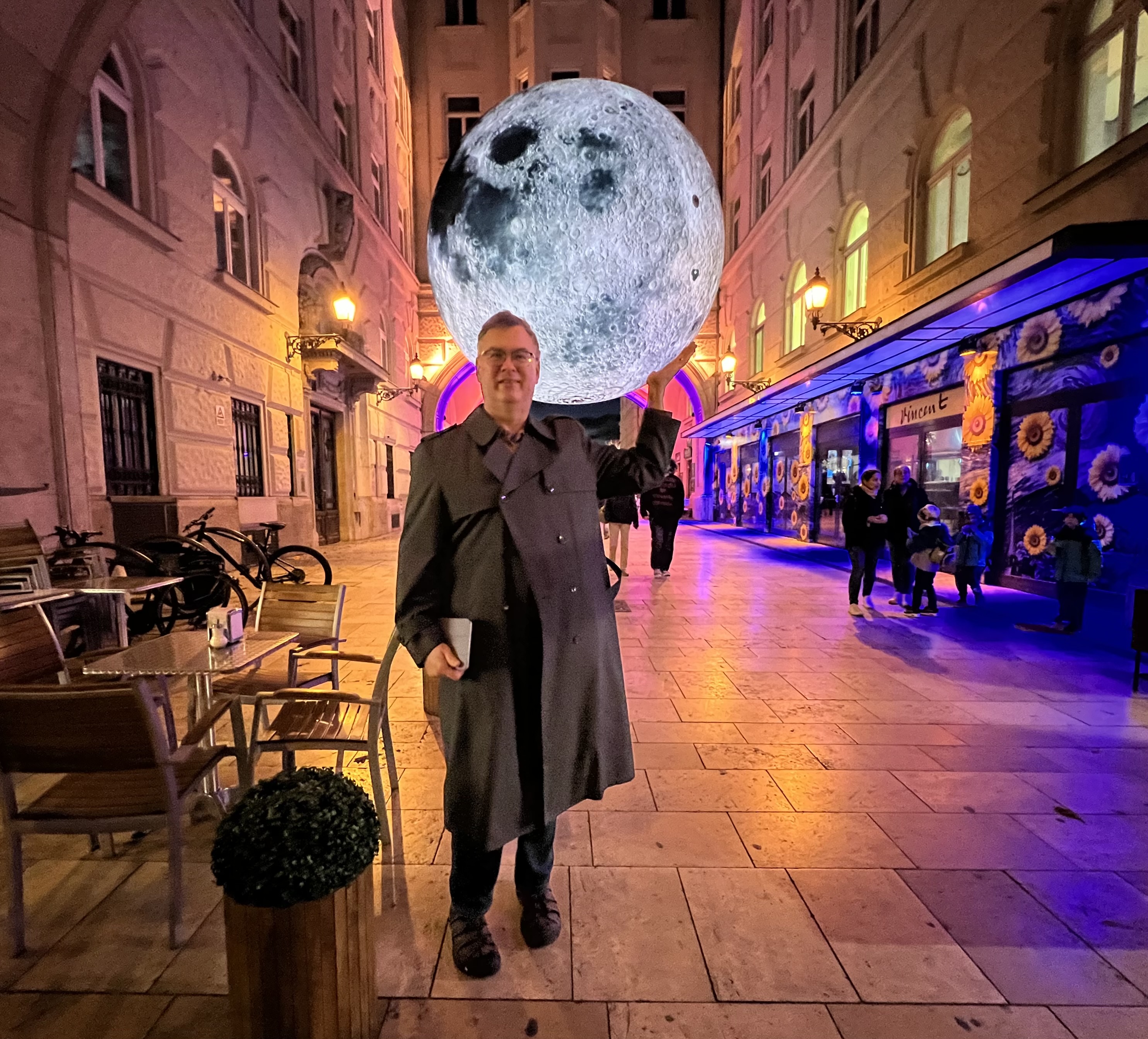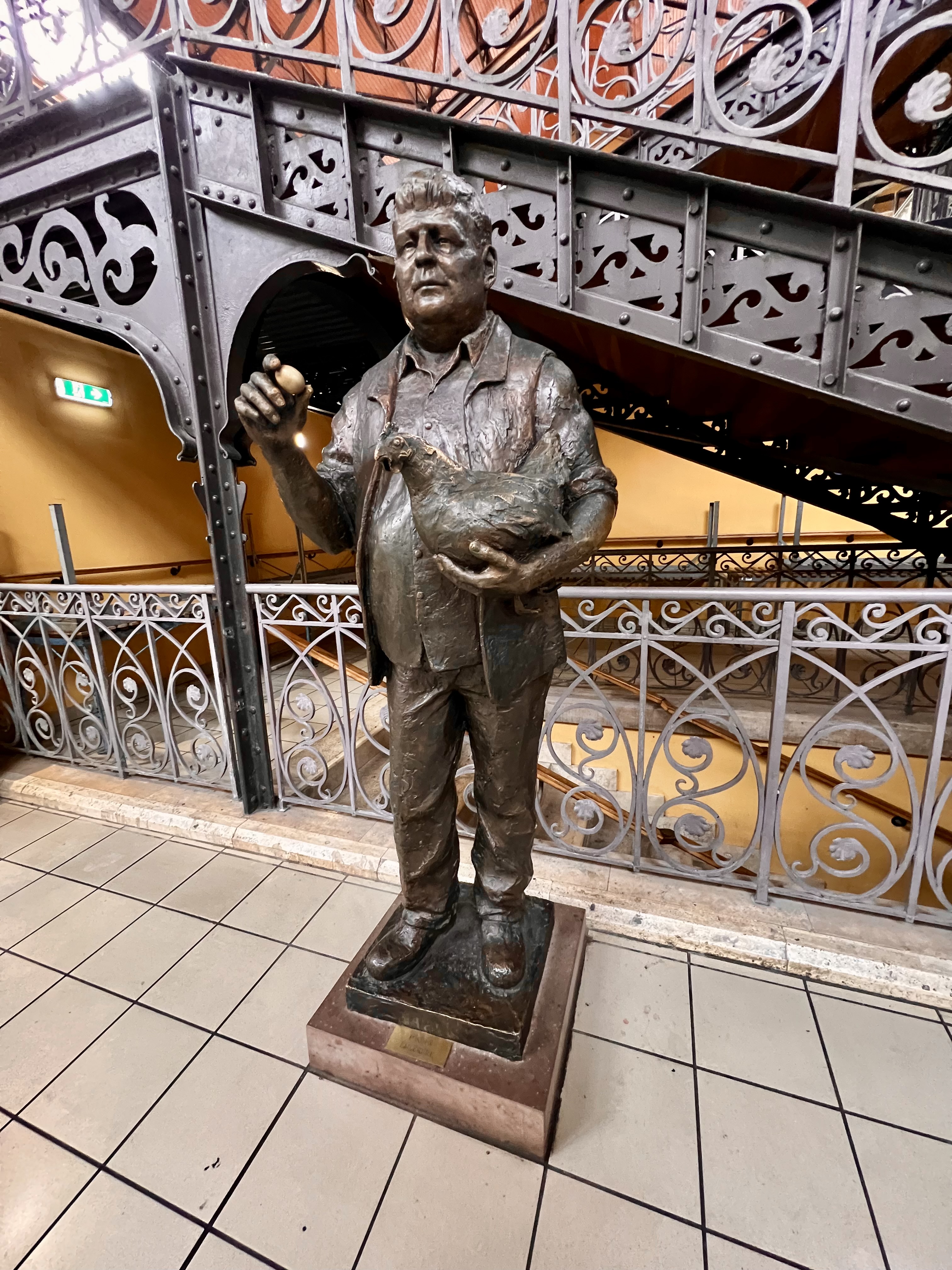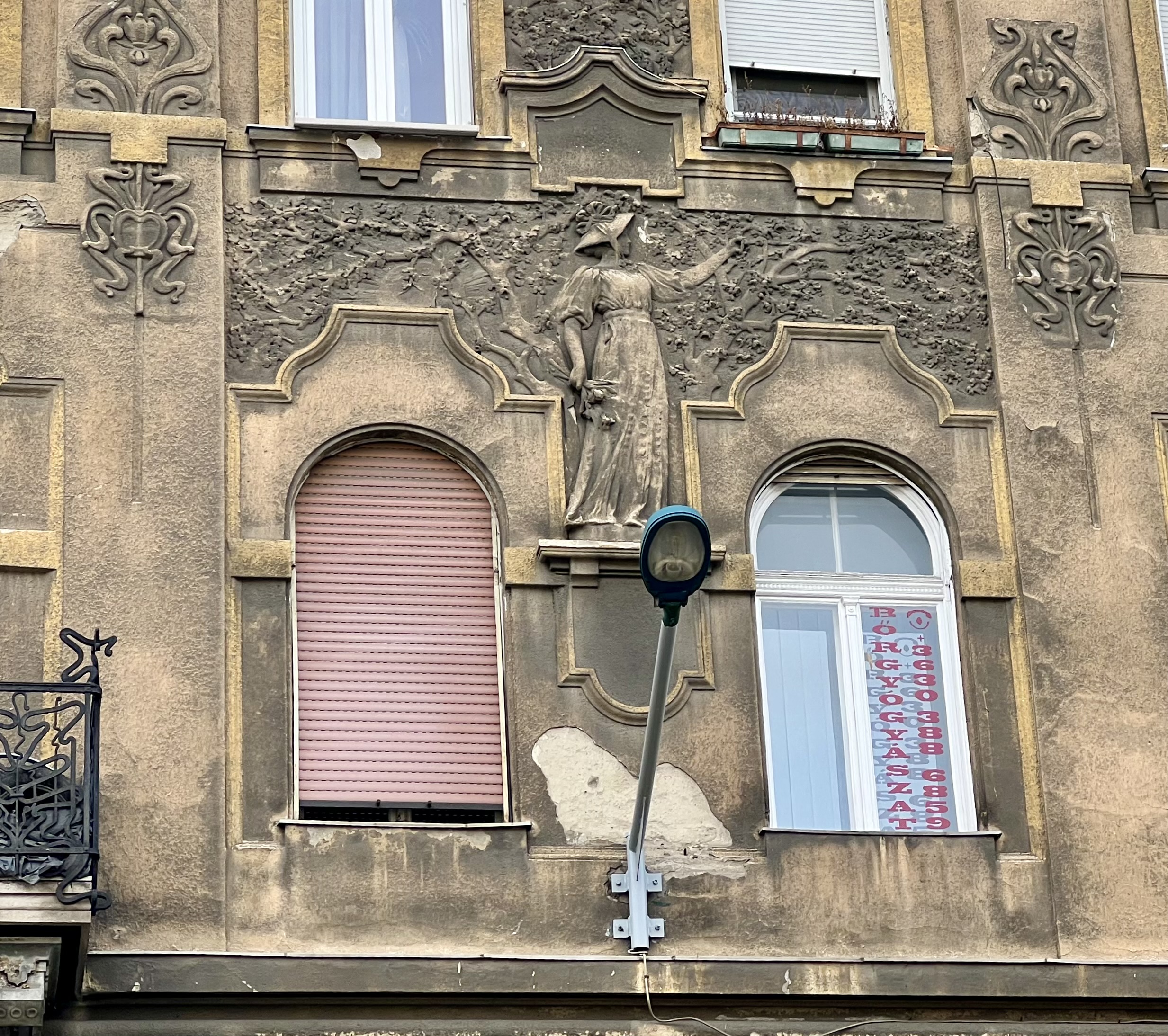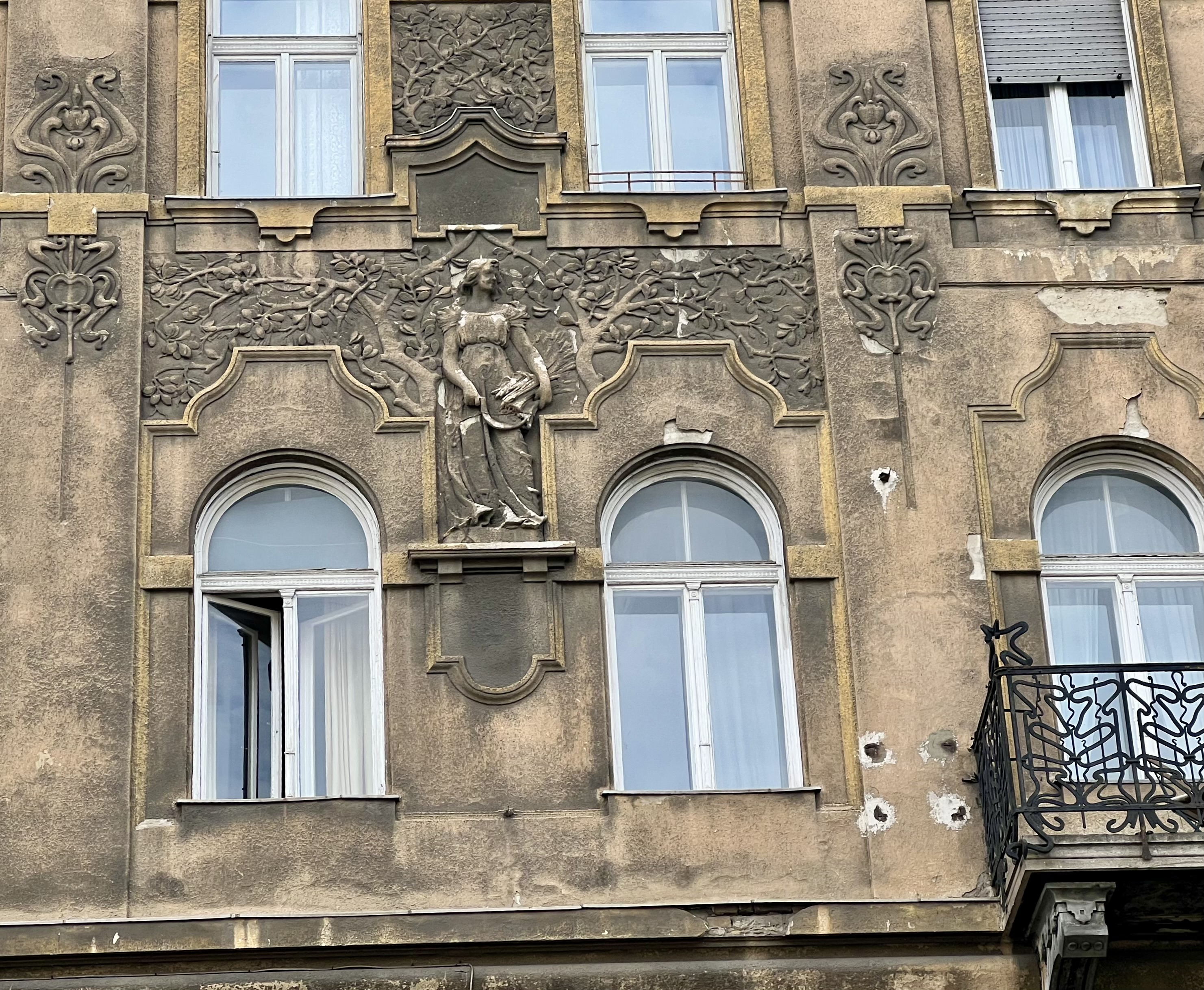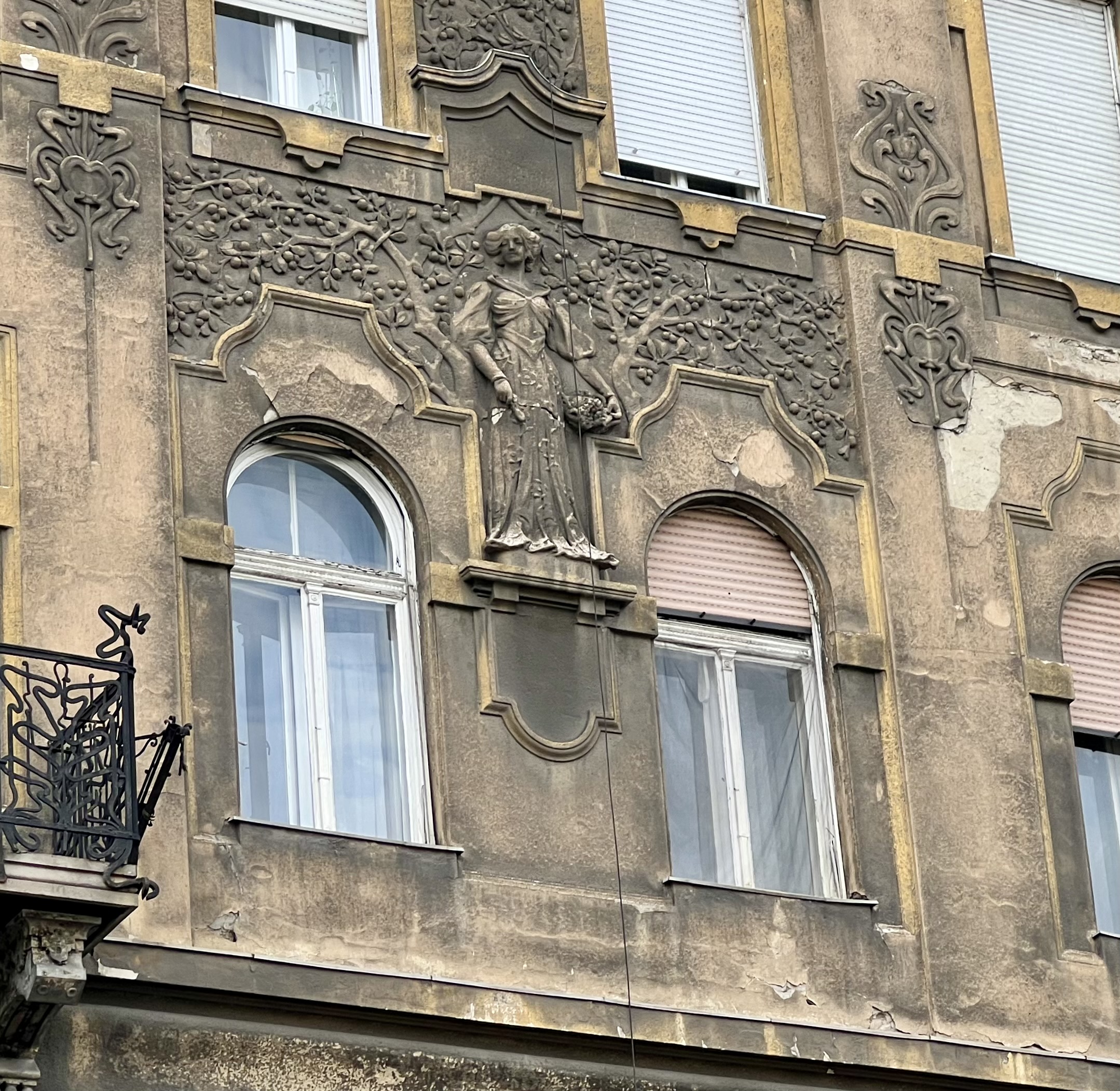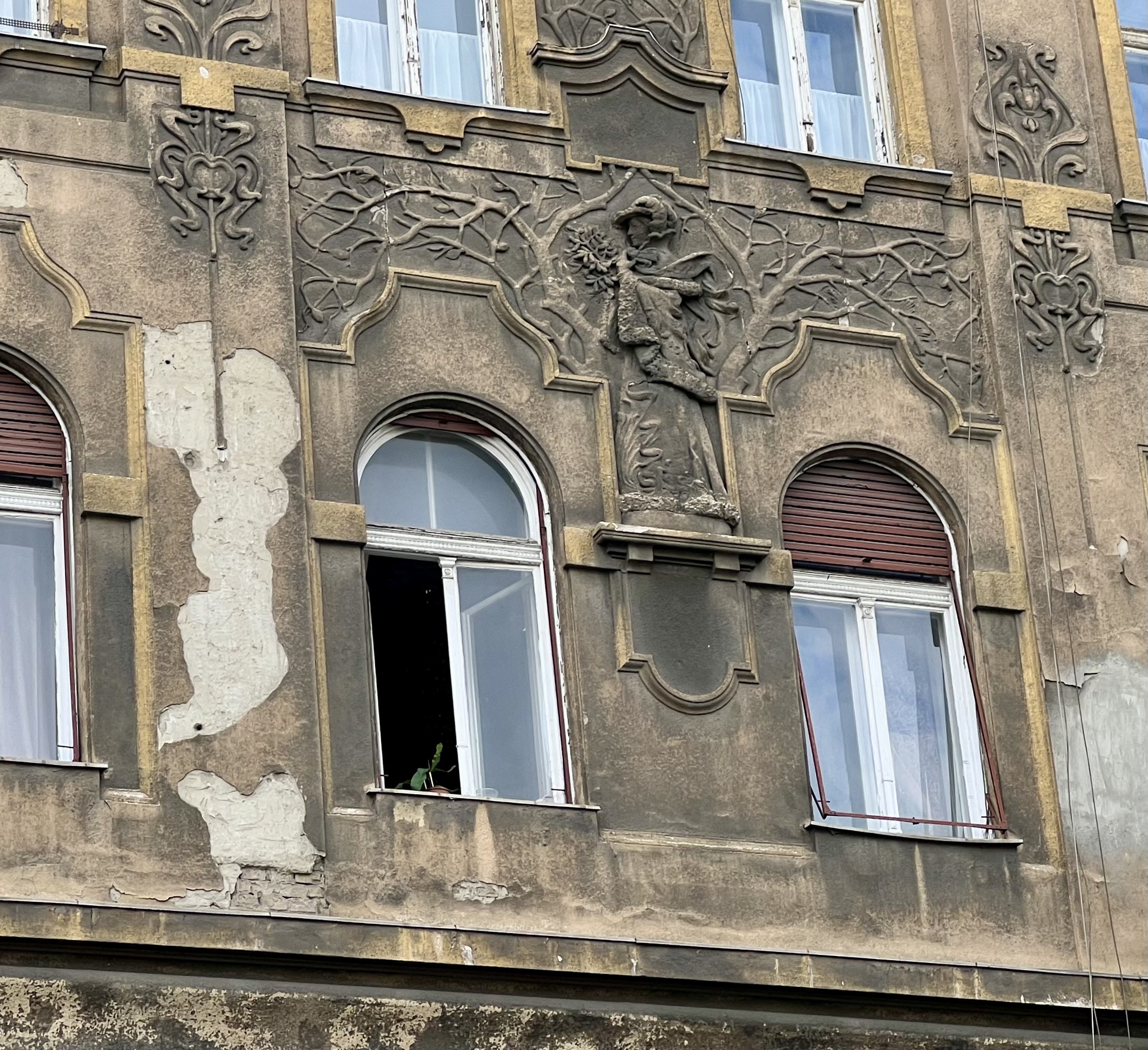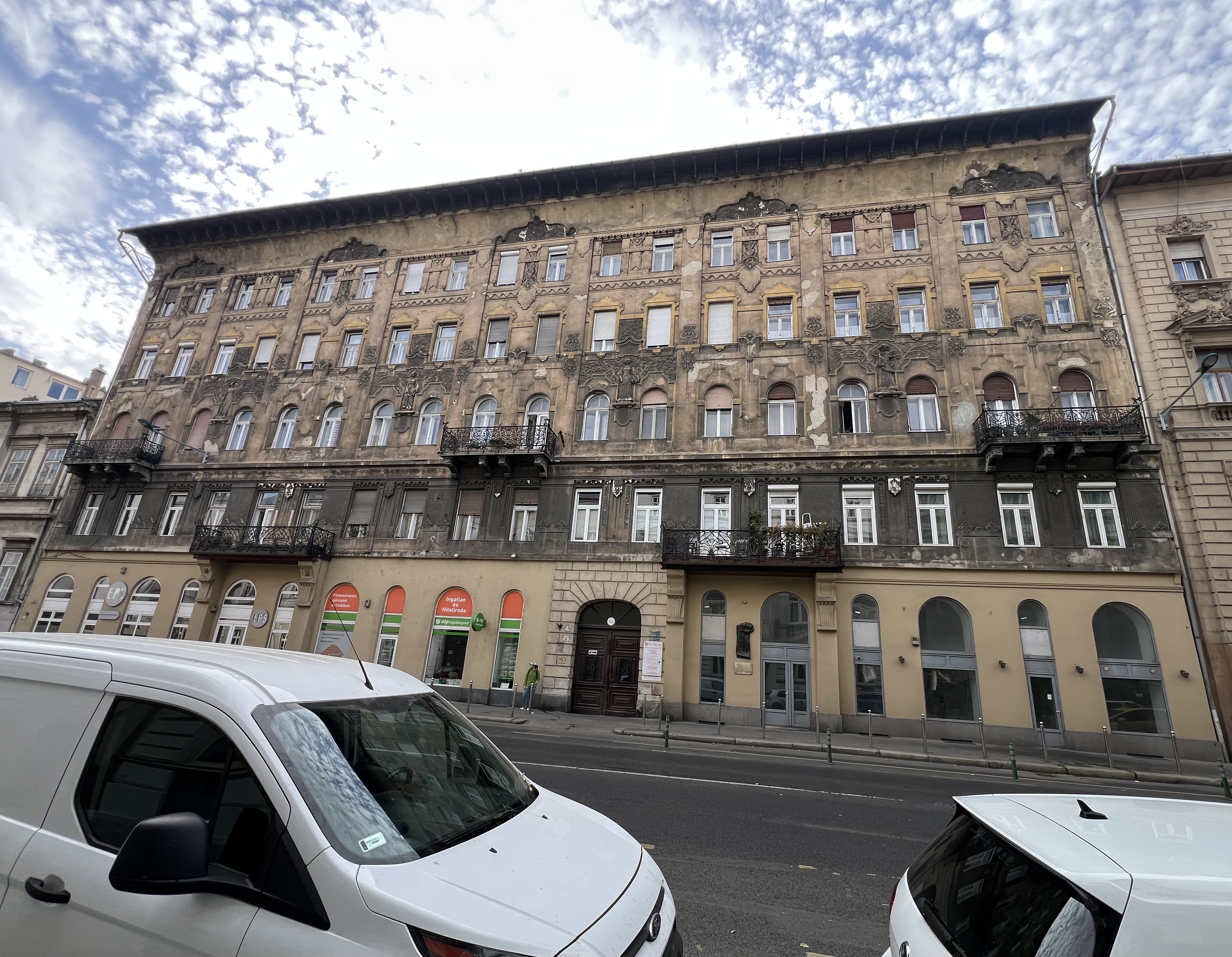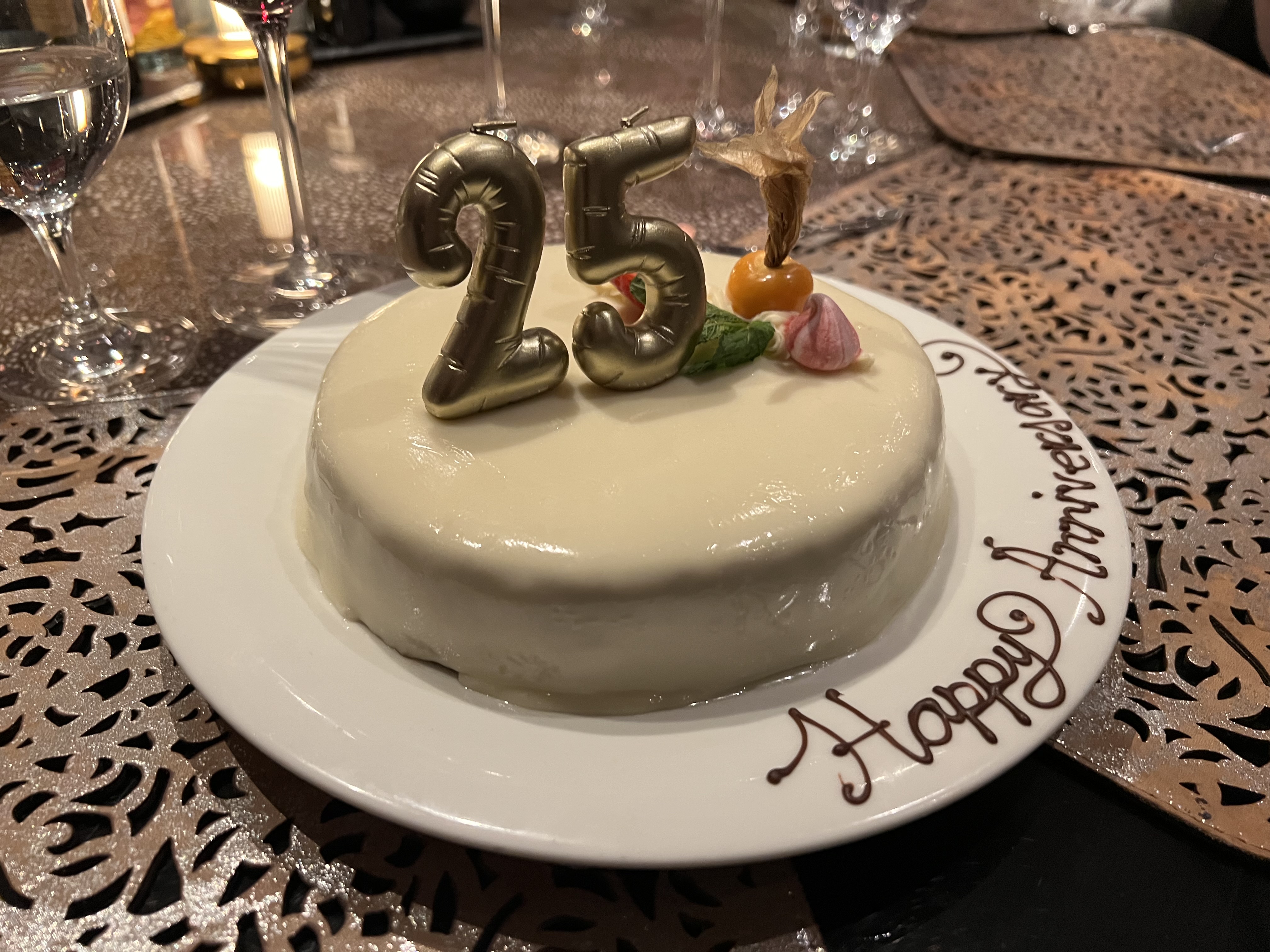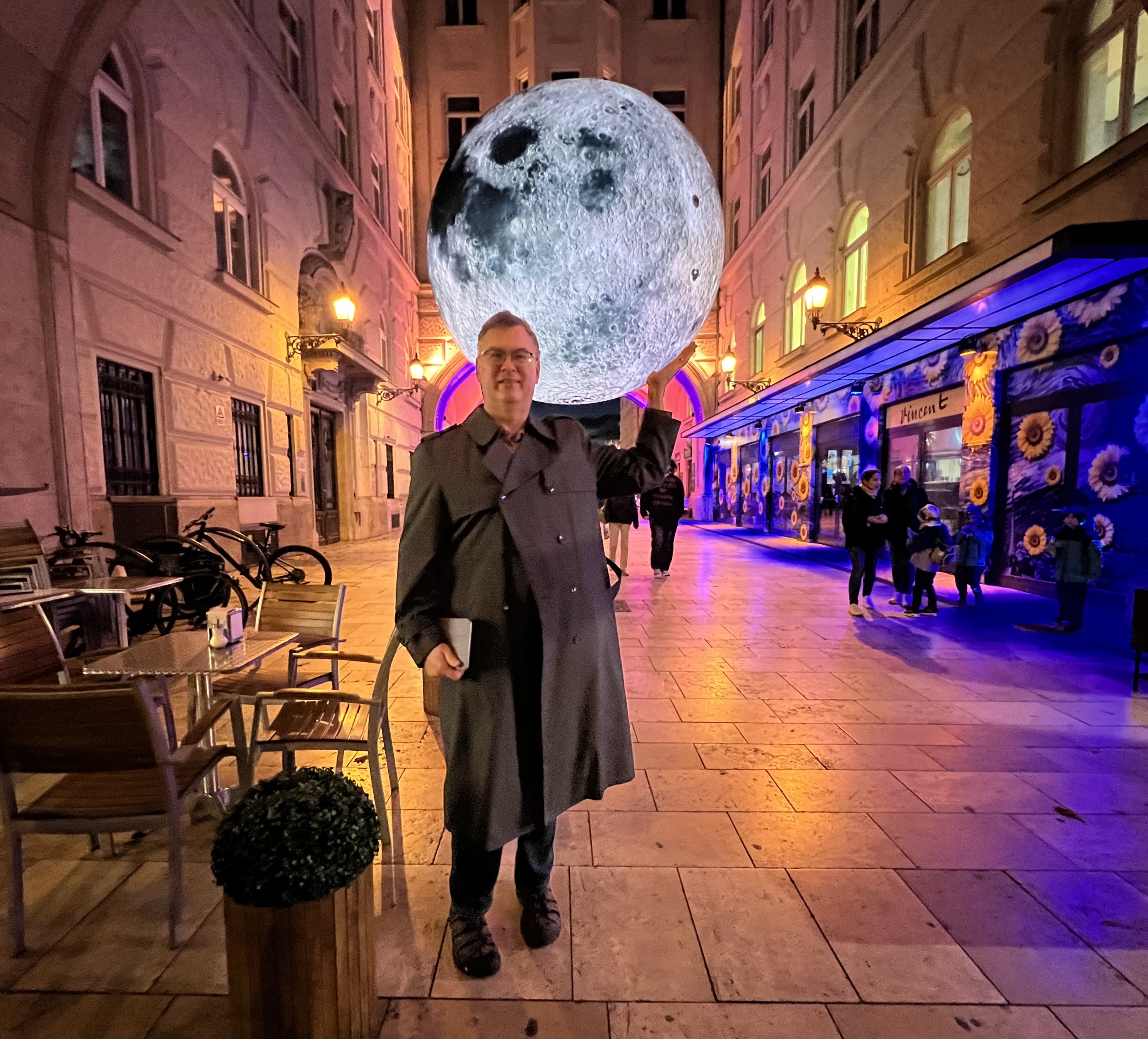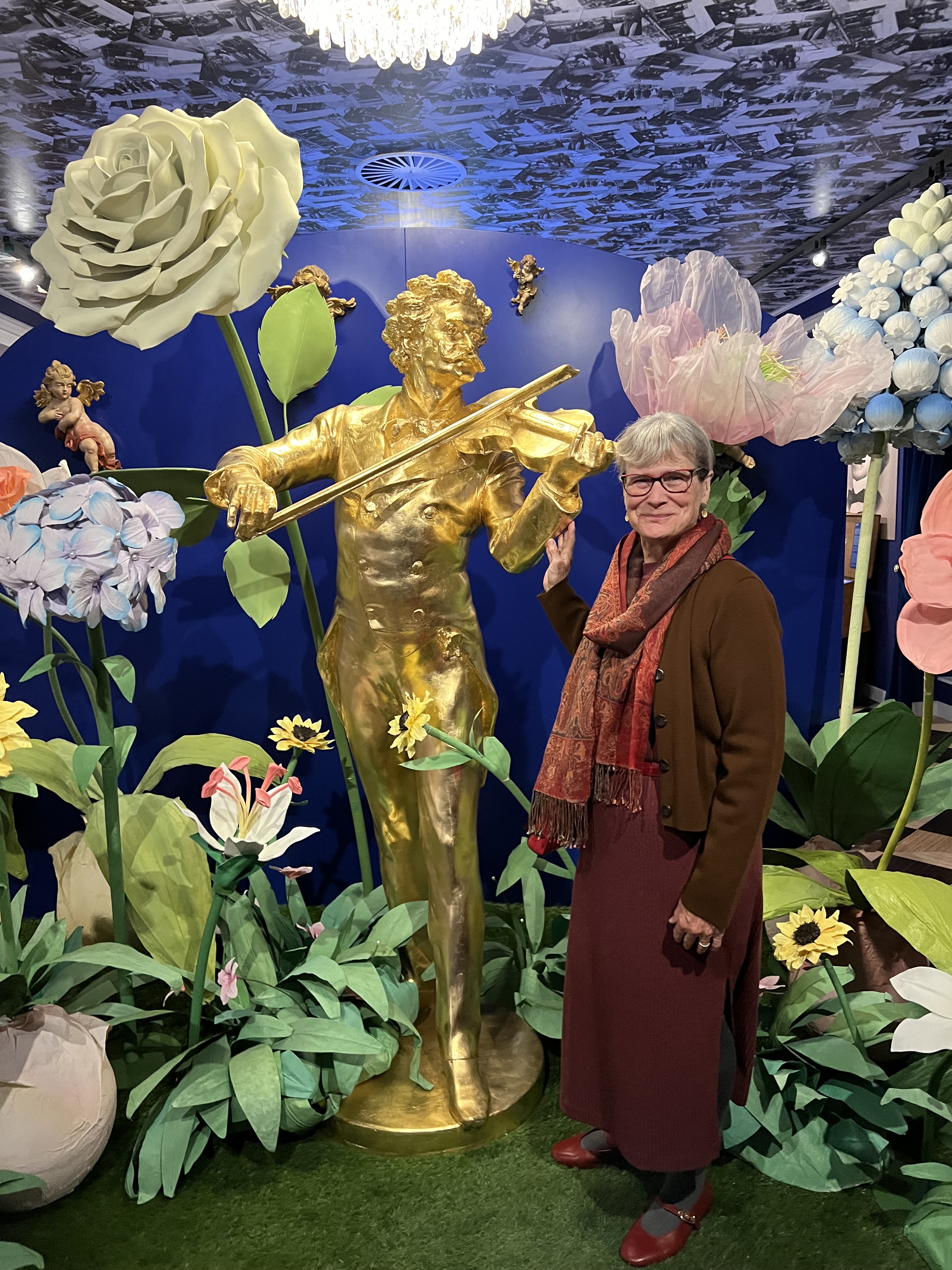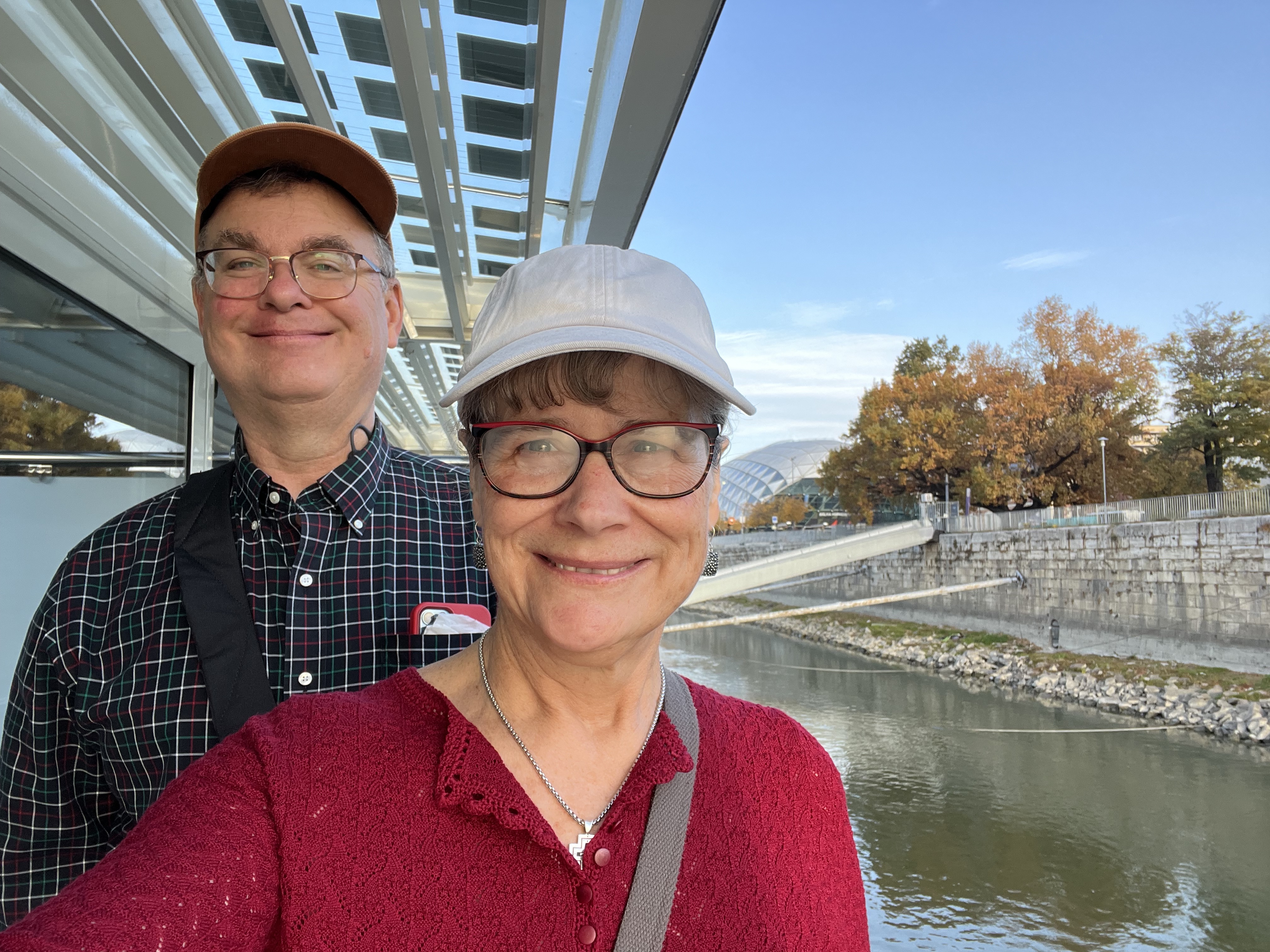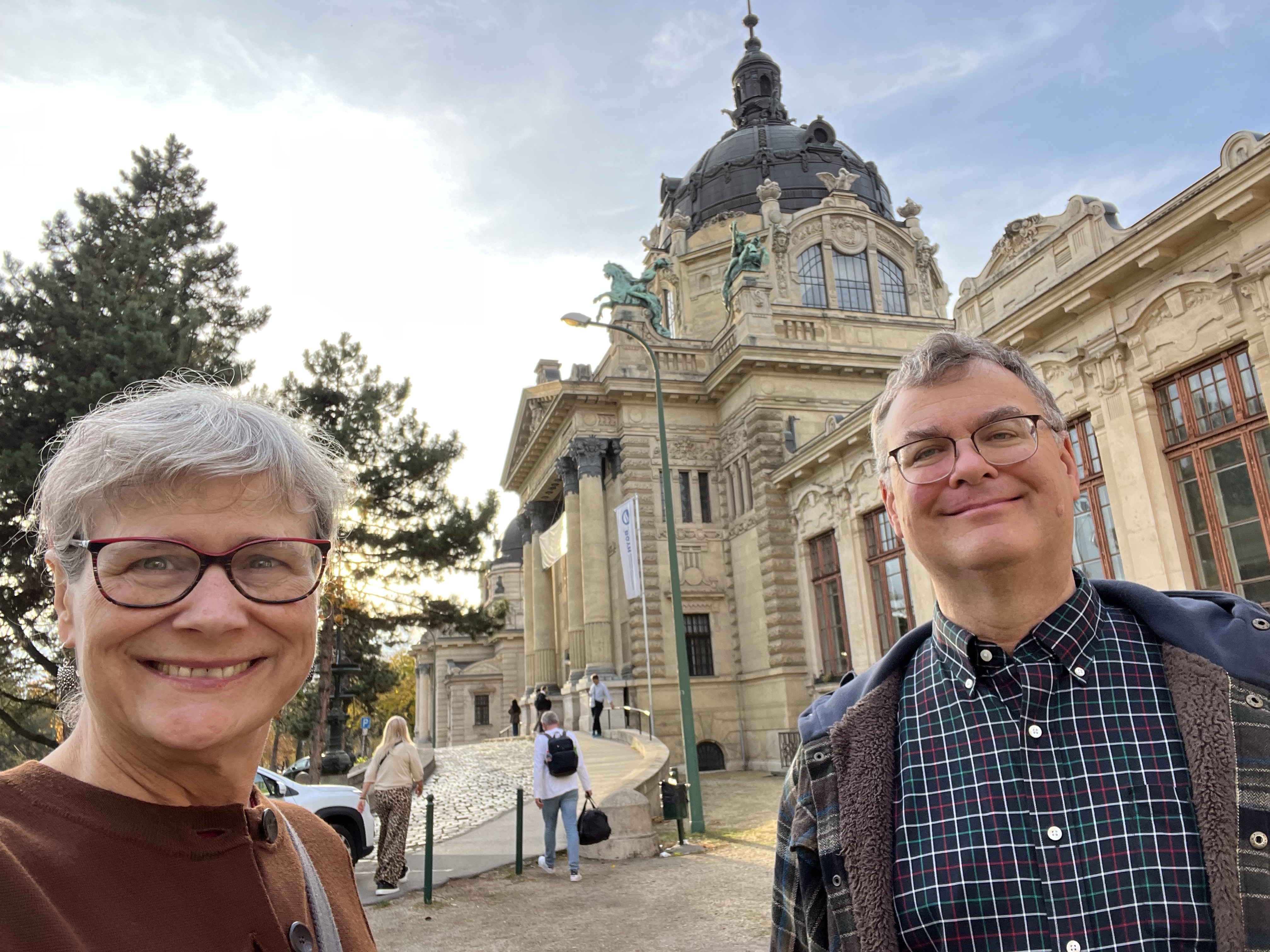
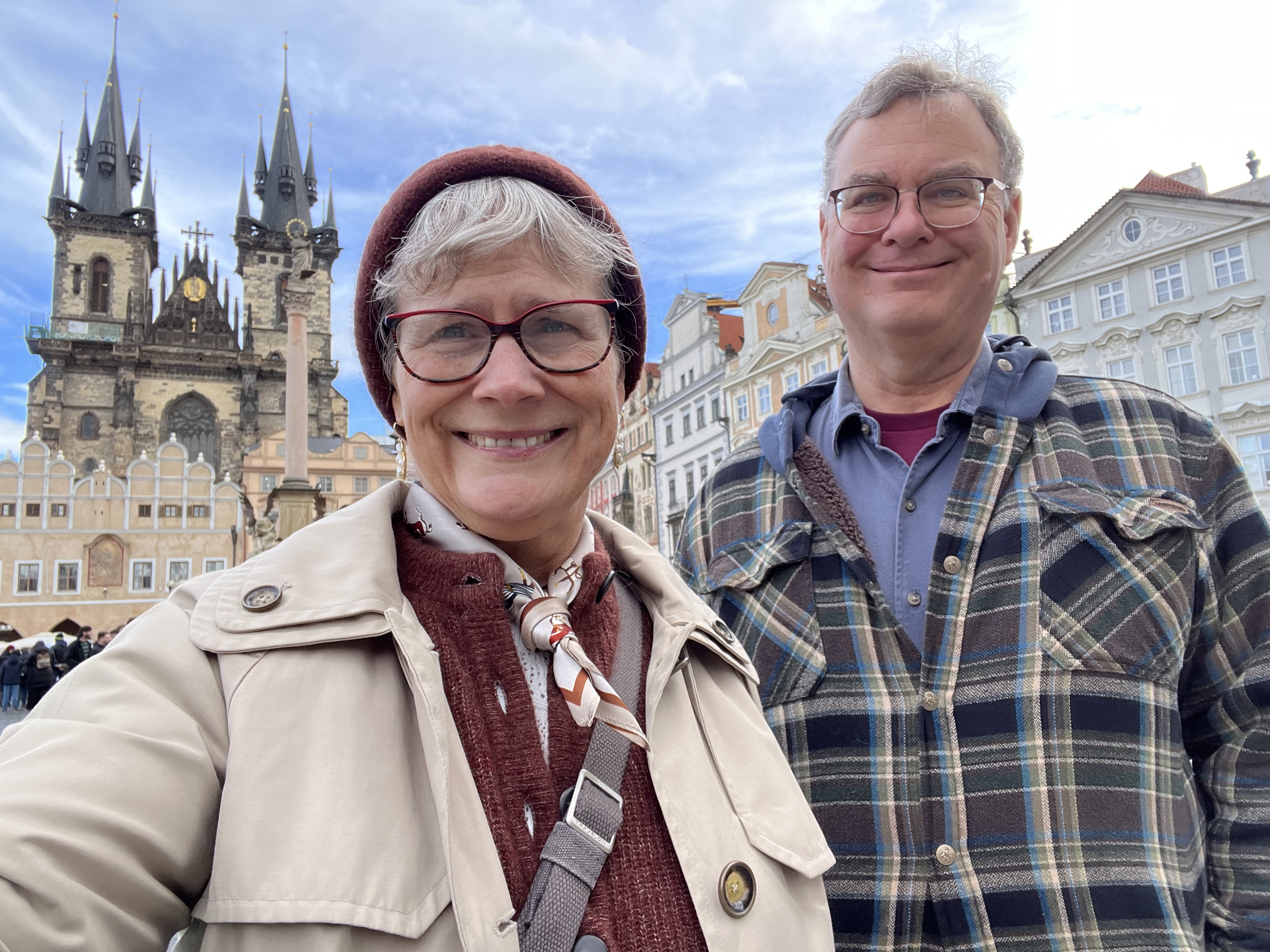
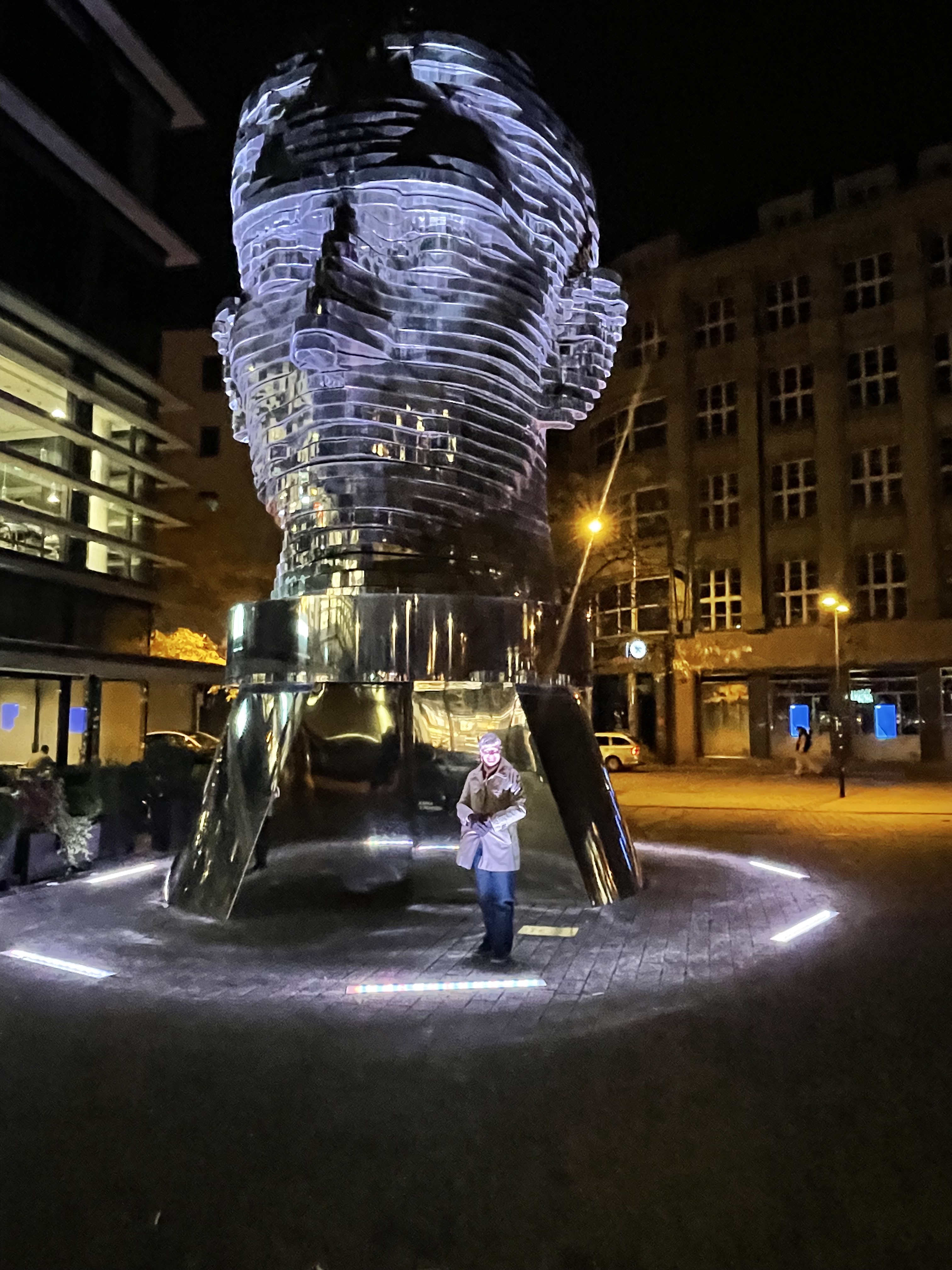
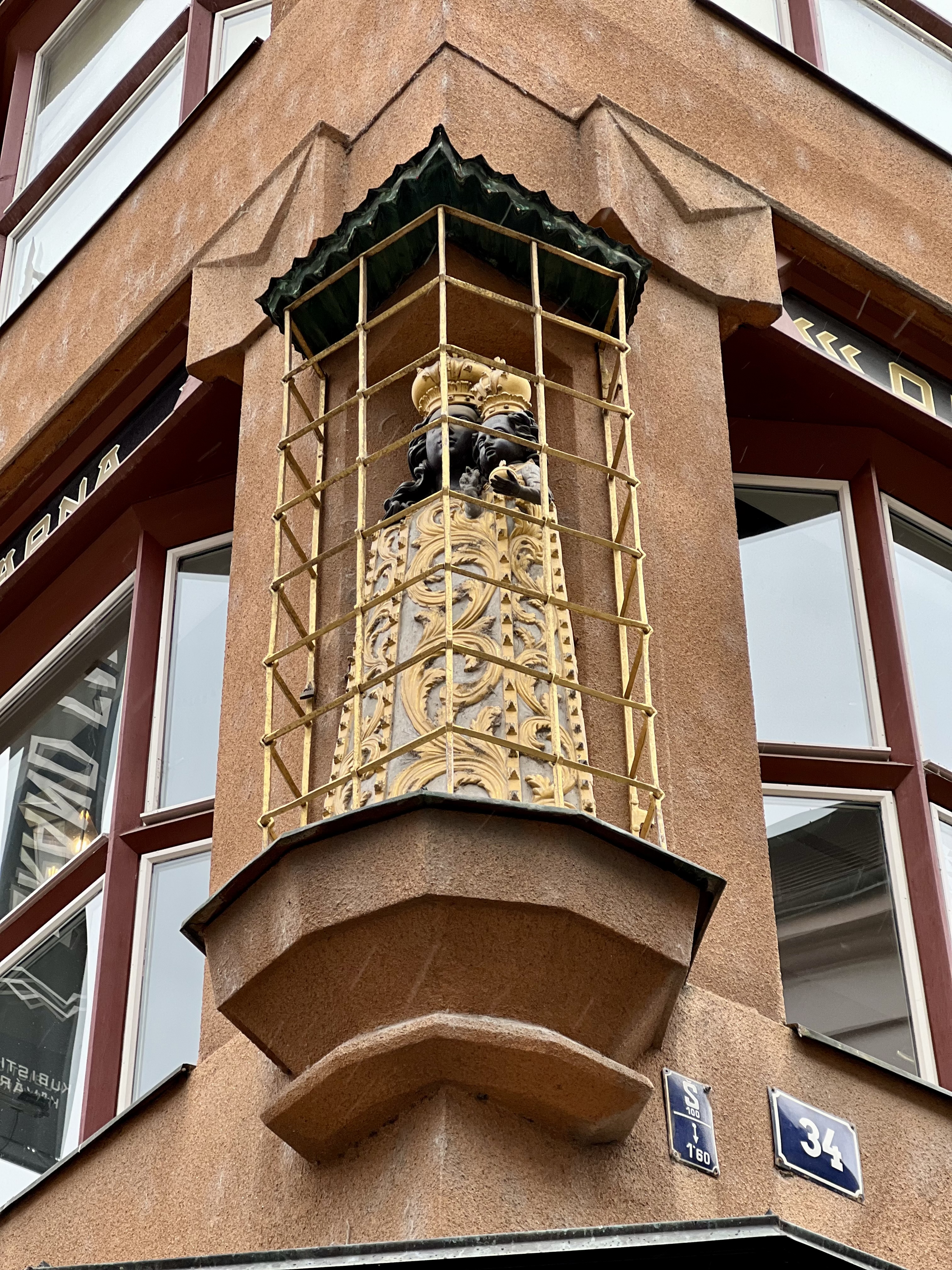
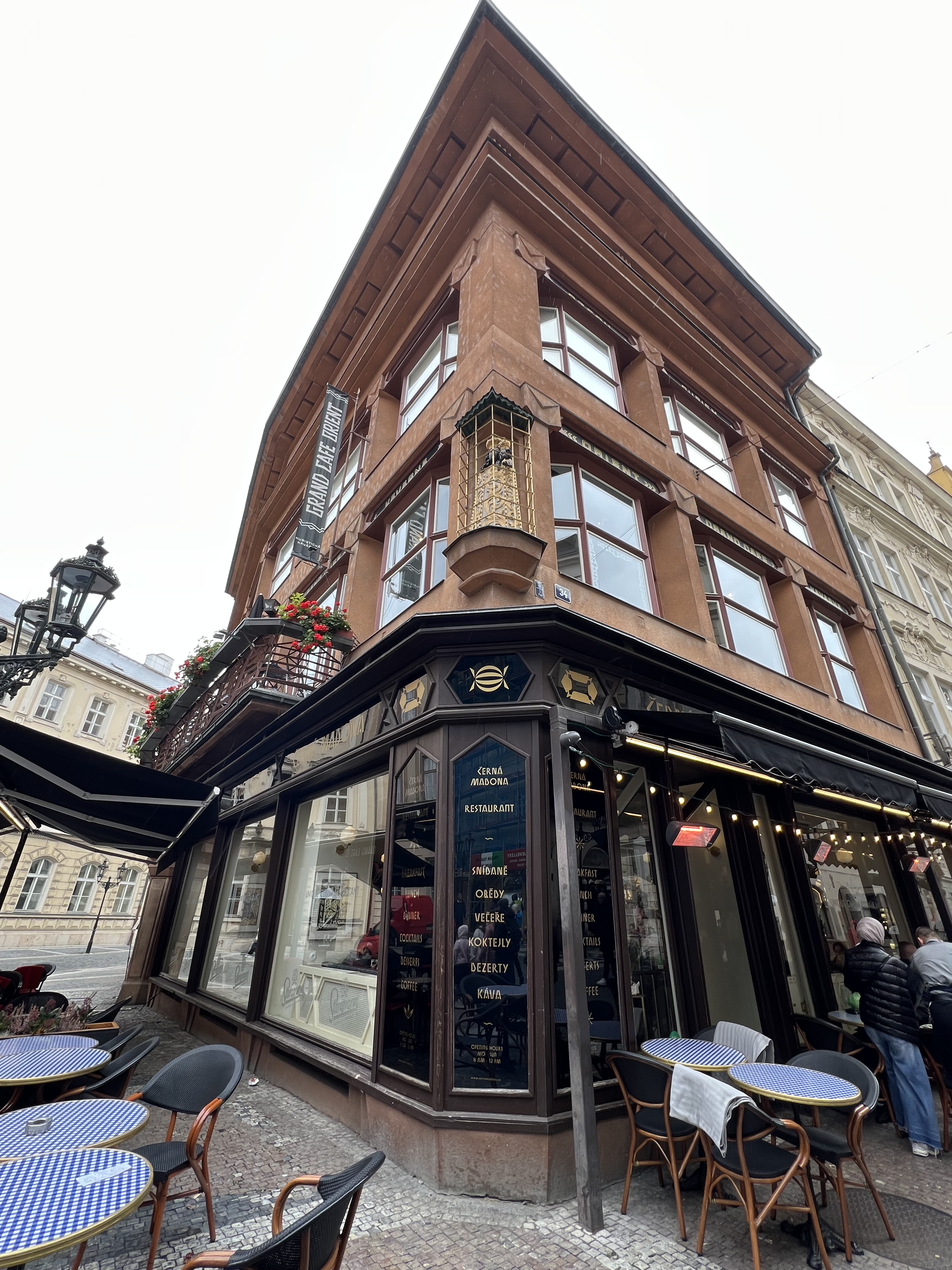
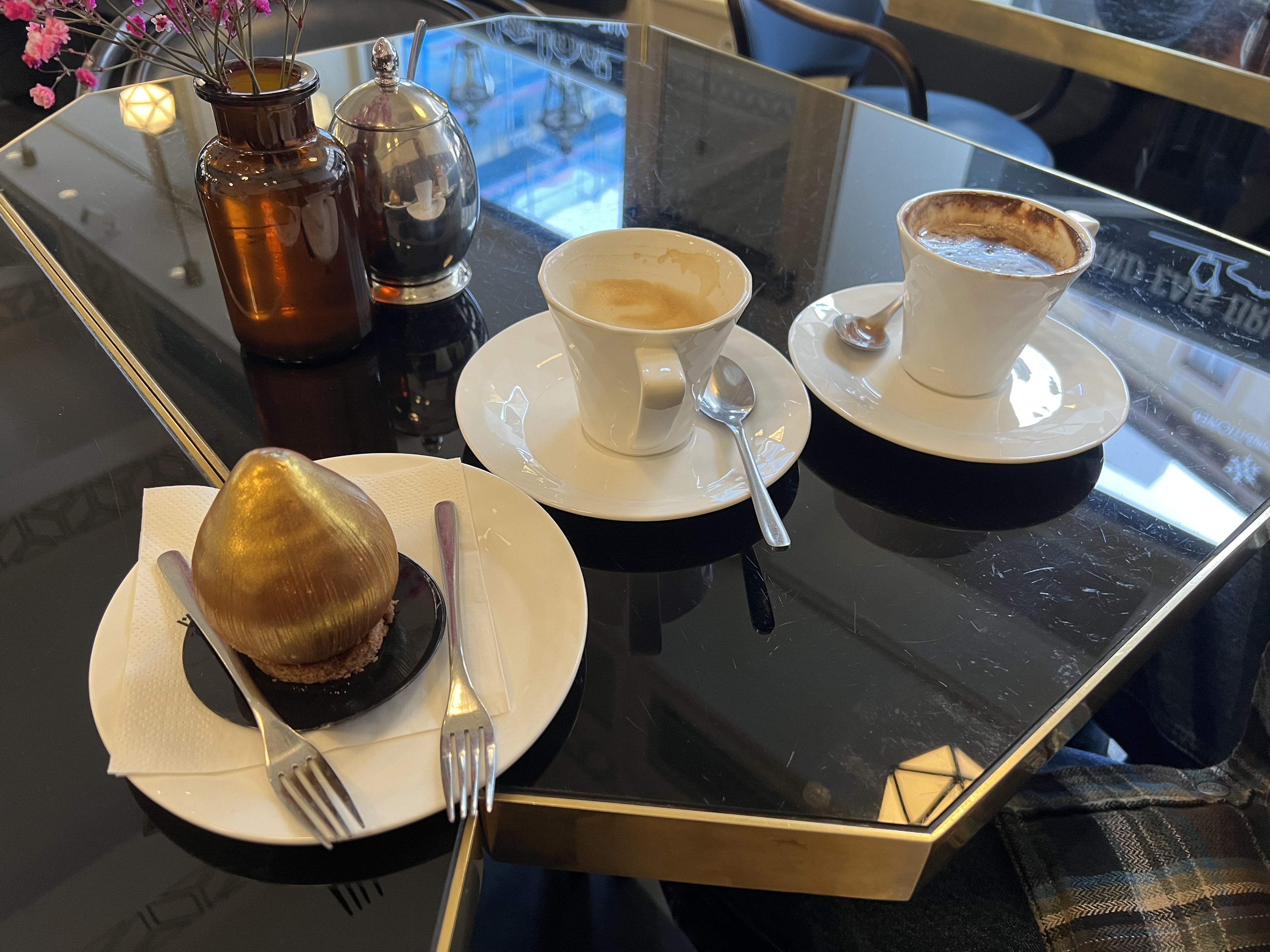
John and I just returned from a Danube River cruise on the AmaMagna ship of AmaWaterways. We were with a group of about sixty put together by Max Miller of Tasting History (working with Travel Advisor Ruth Walker) celebrating both our 25th wedding anniversary and my finishing my doctorate. We flew into Prague and spent a few days there before joining the ship in Vilshofen in Germany.
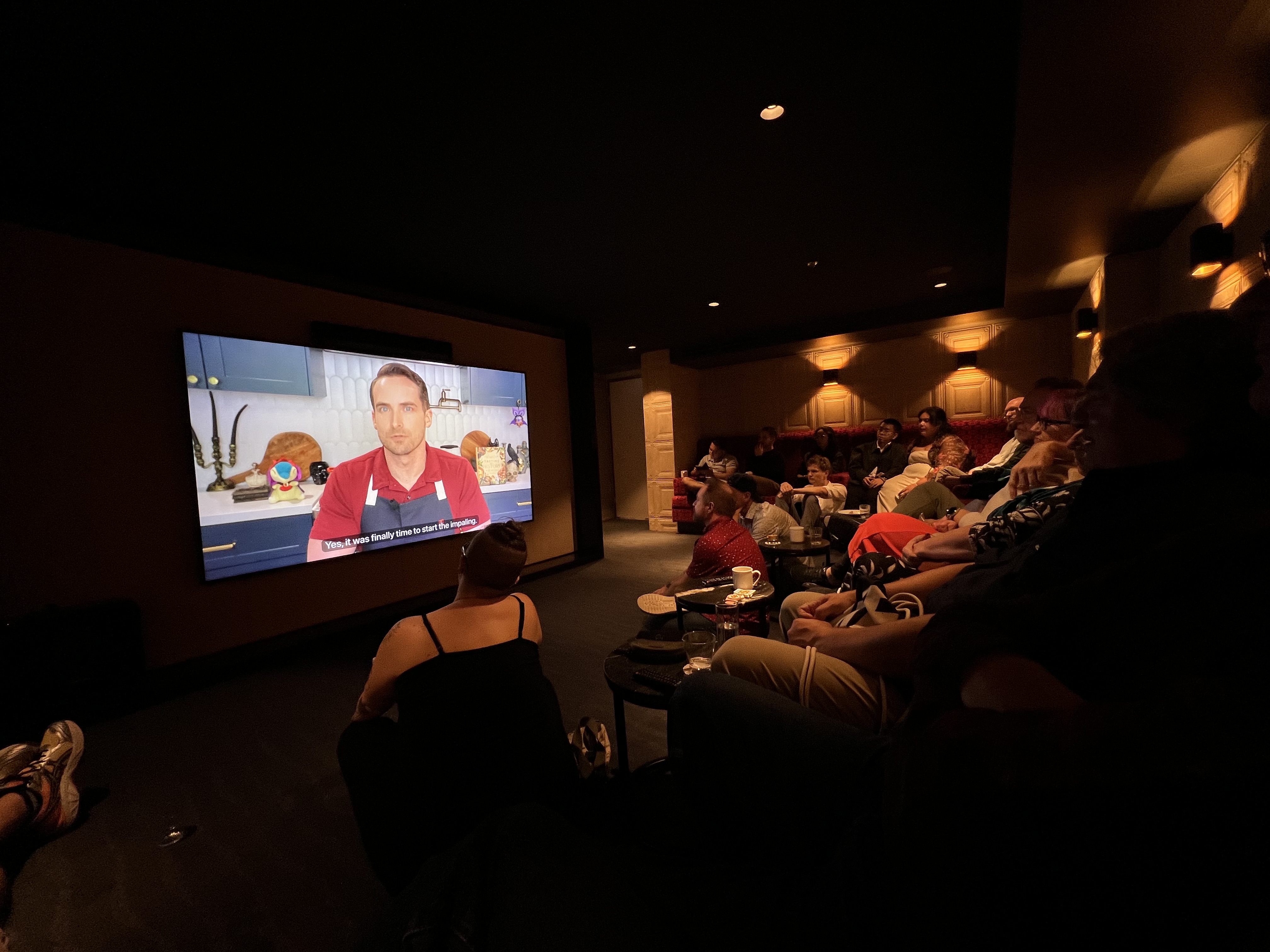
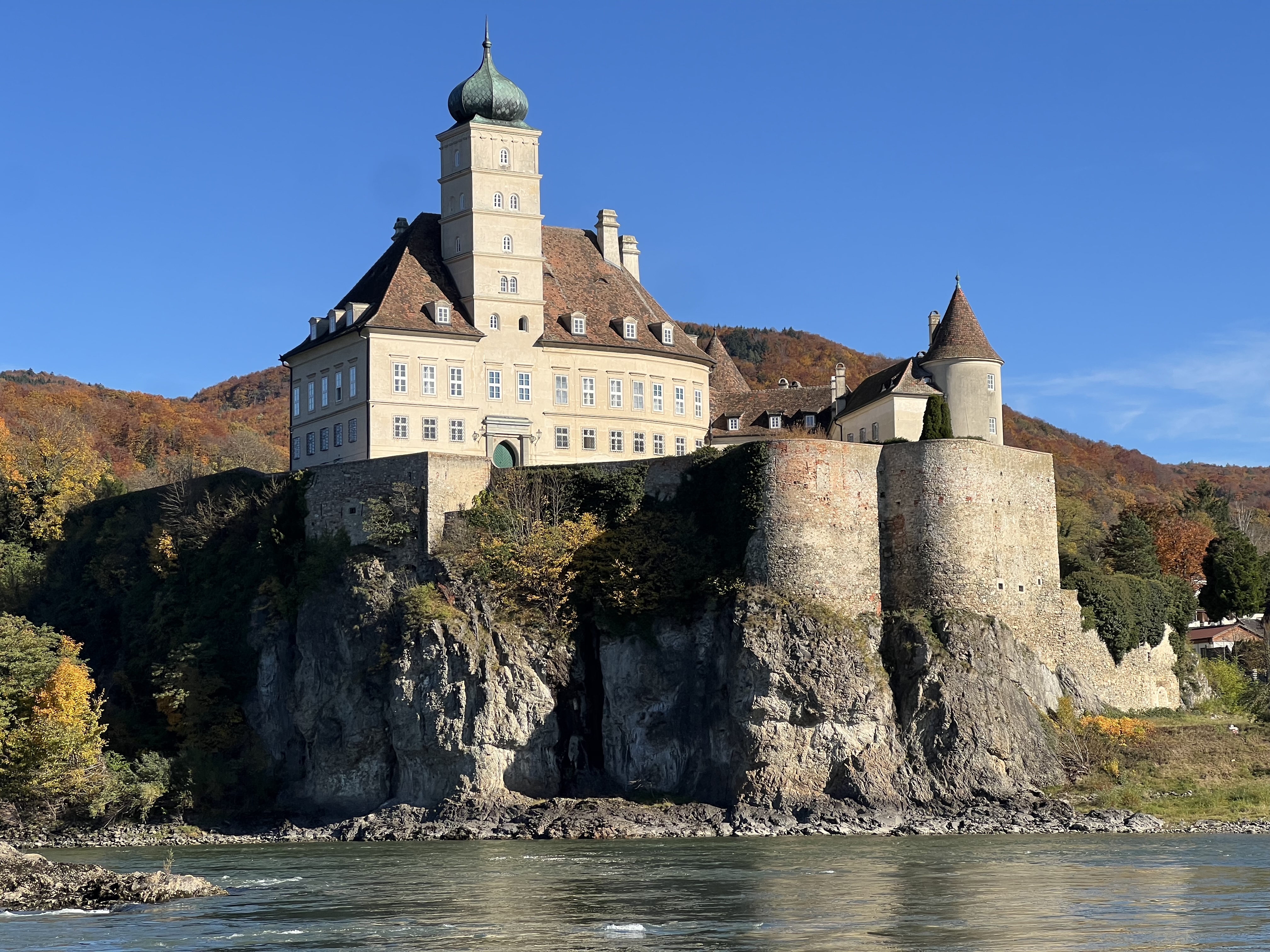
We celebrated Halloween with a costume party on the ship and watched a new Tasting History episode with Max Miller himself in the ship’s theater. We very much enjoyed sailing through the Wachau Valley full of castles, including the Dürnstein Castle, where King Richard I of England was held captive (1192-1193 CE). We even spent an afternoon at the Széchenyi thermal baths in Budapest. It was a trip full of delights!
Images (c) Copyright 2025 by Katy Dickinson. If you want to receive Katysblog posted by email, please sign up using the Sign Me Up! field (upper right on Katysblog home page).
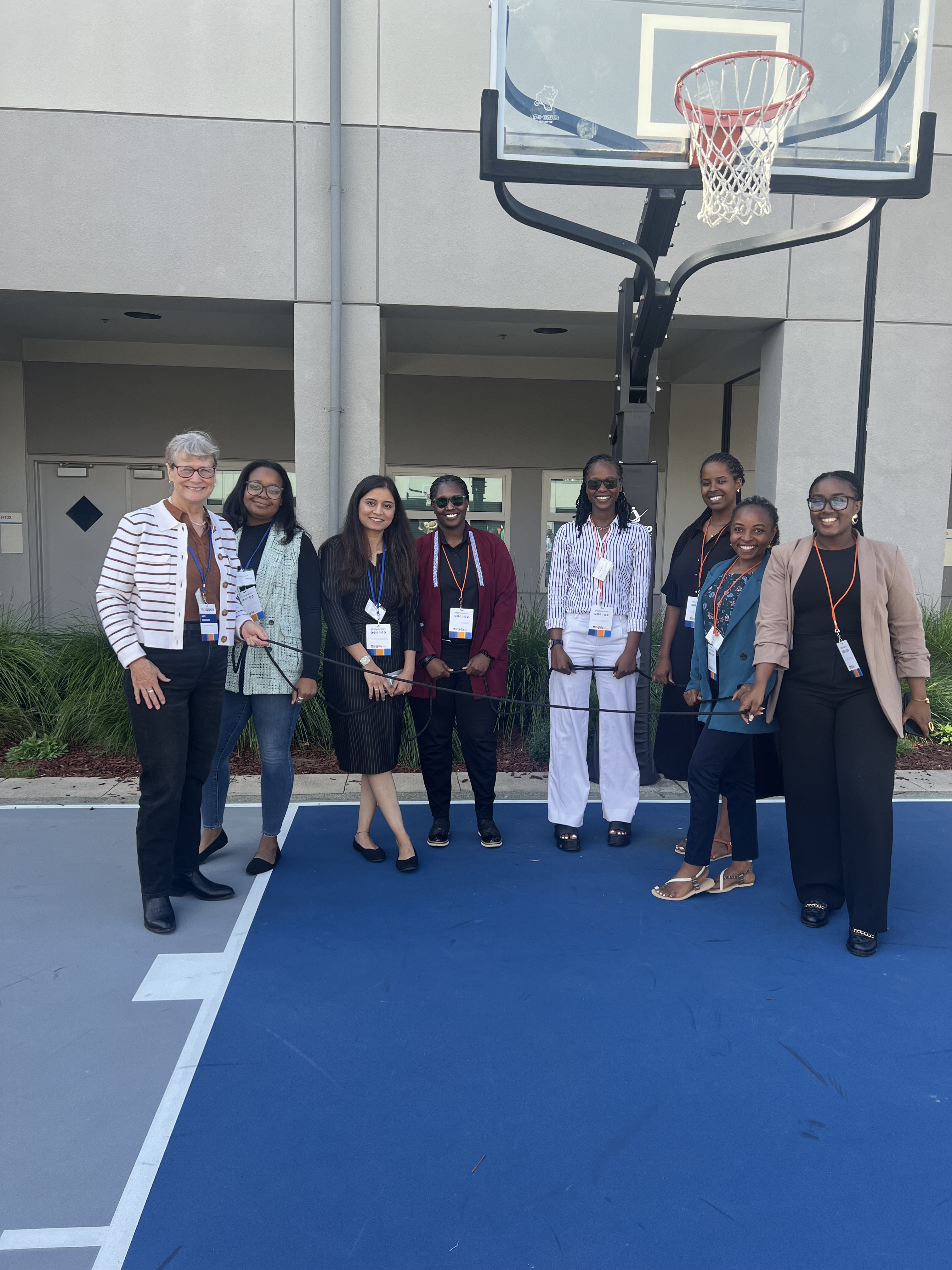
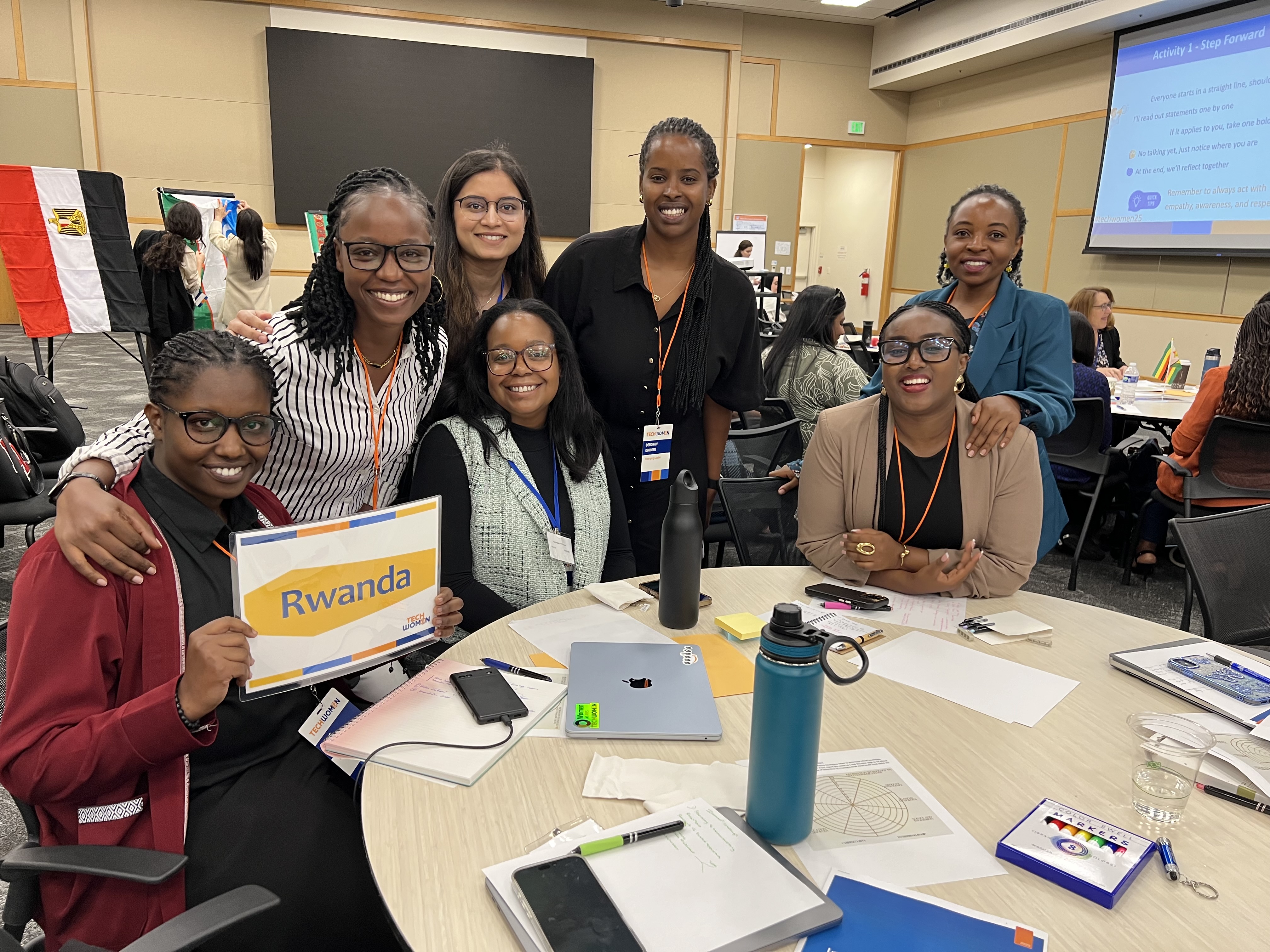
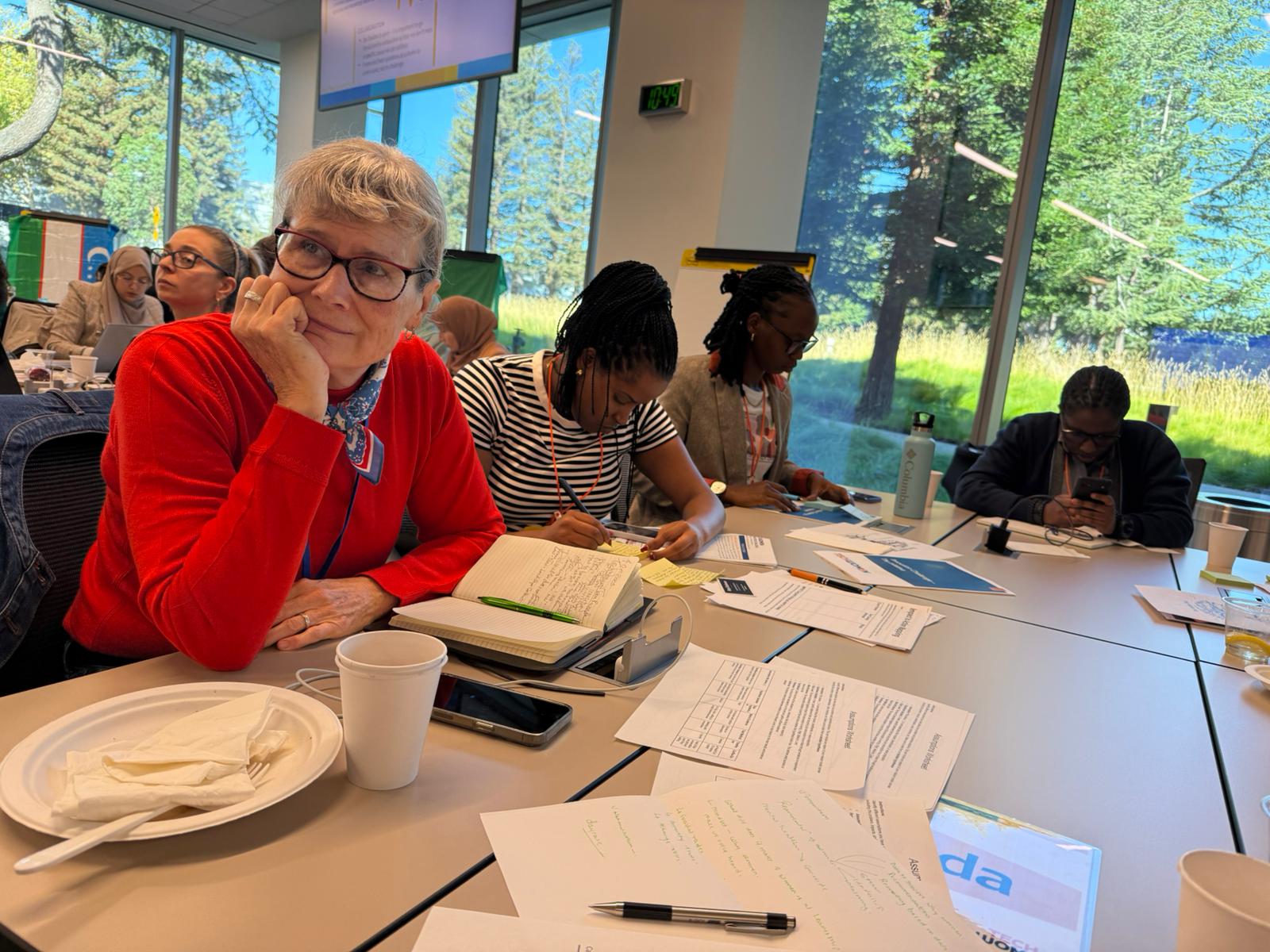
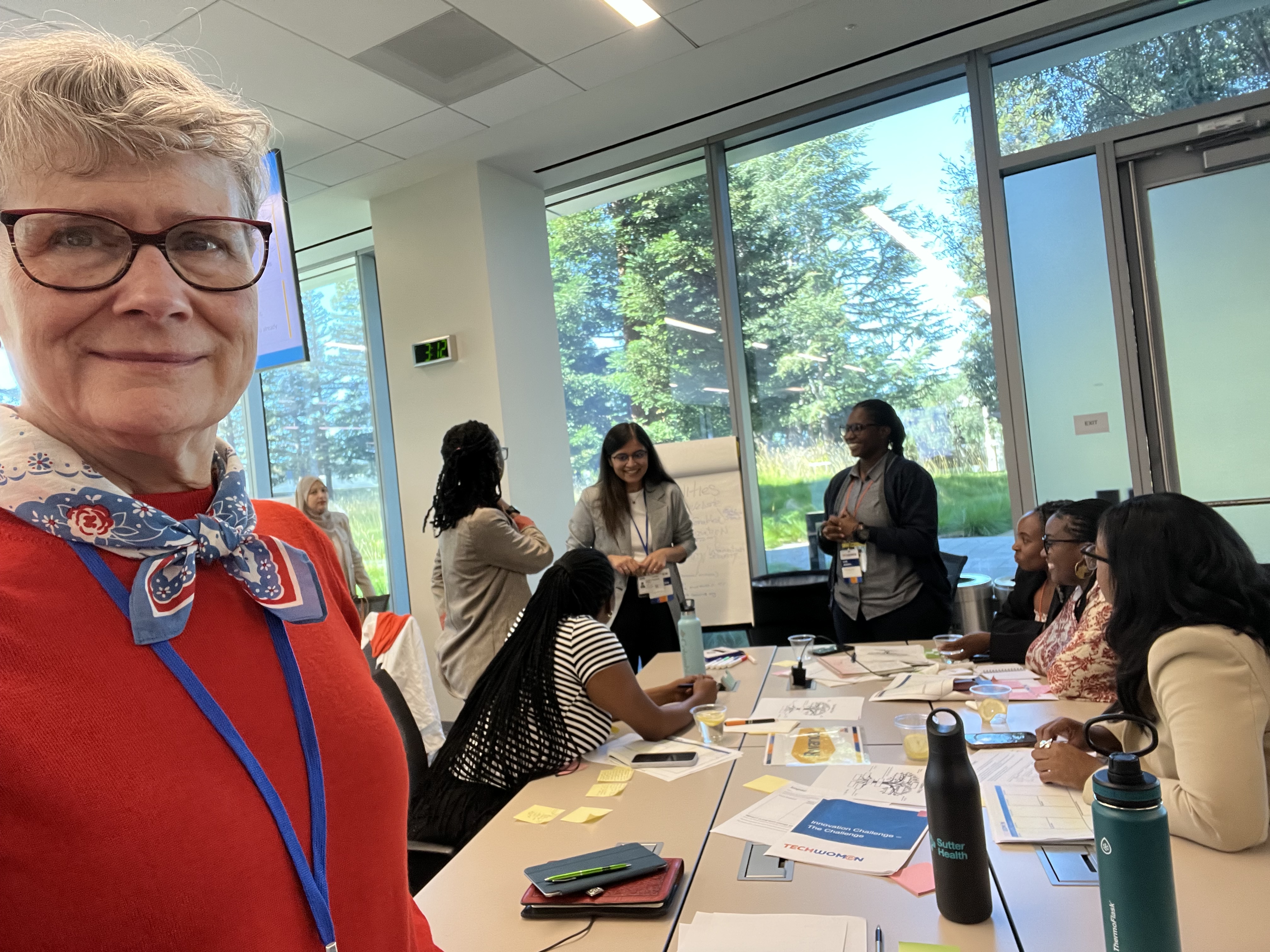
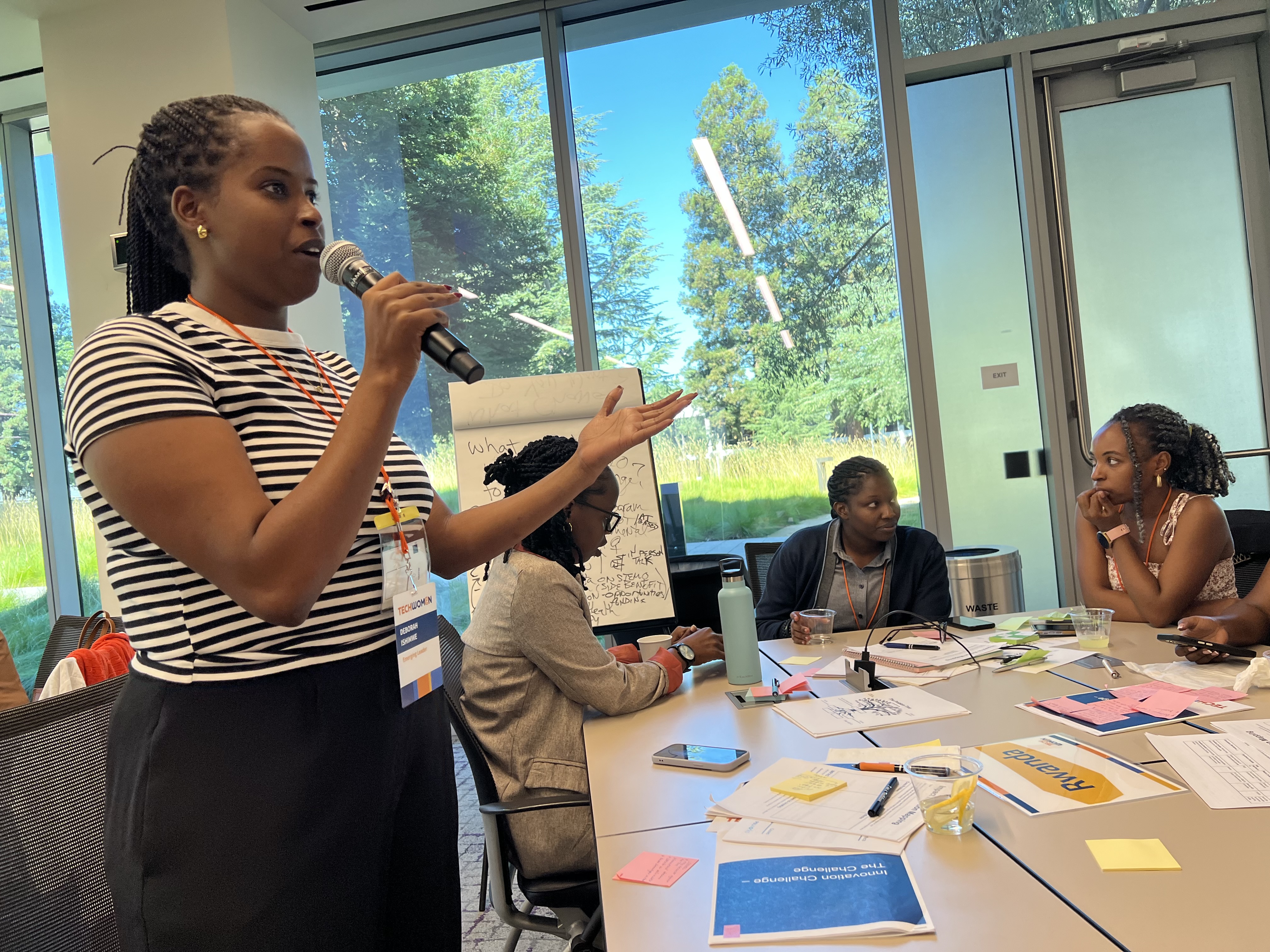
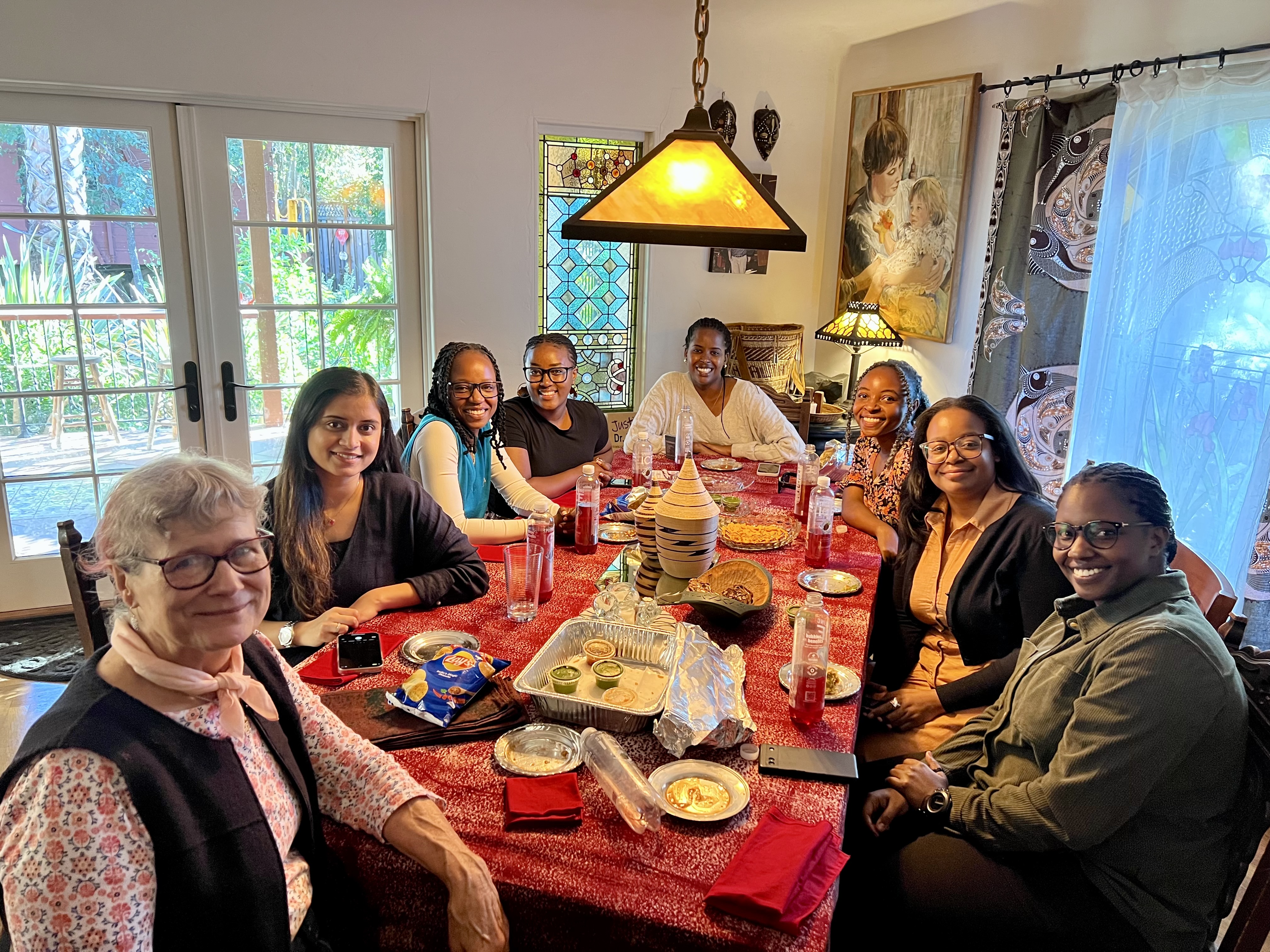
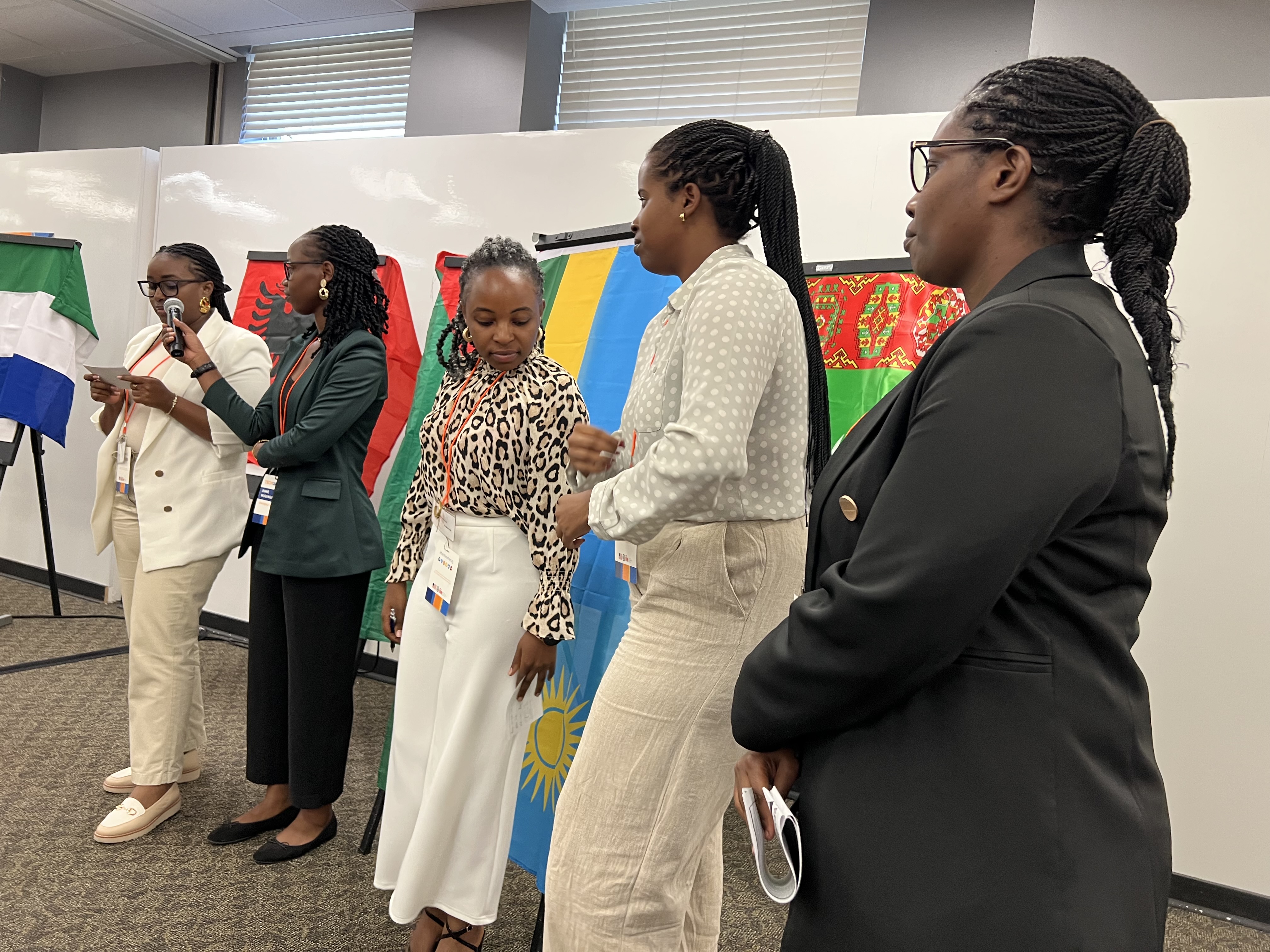
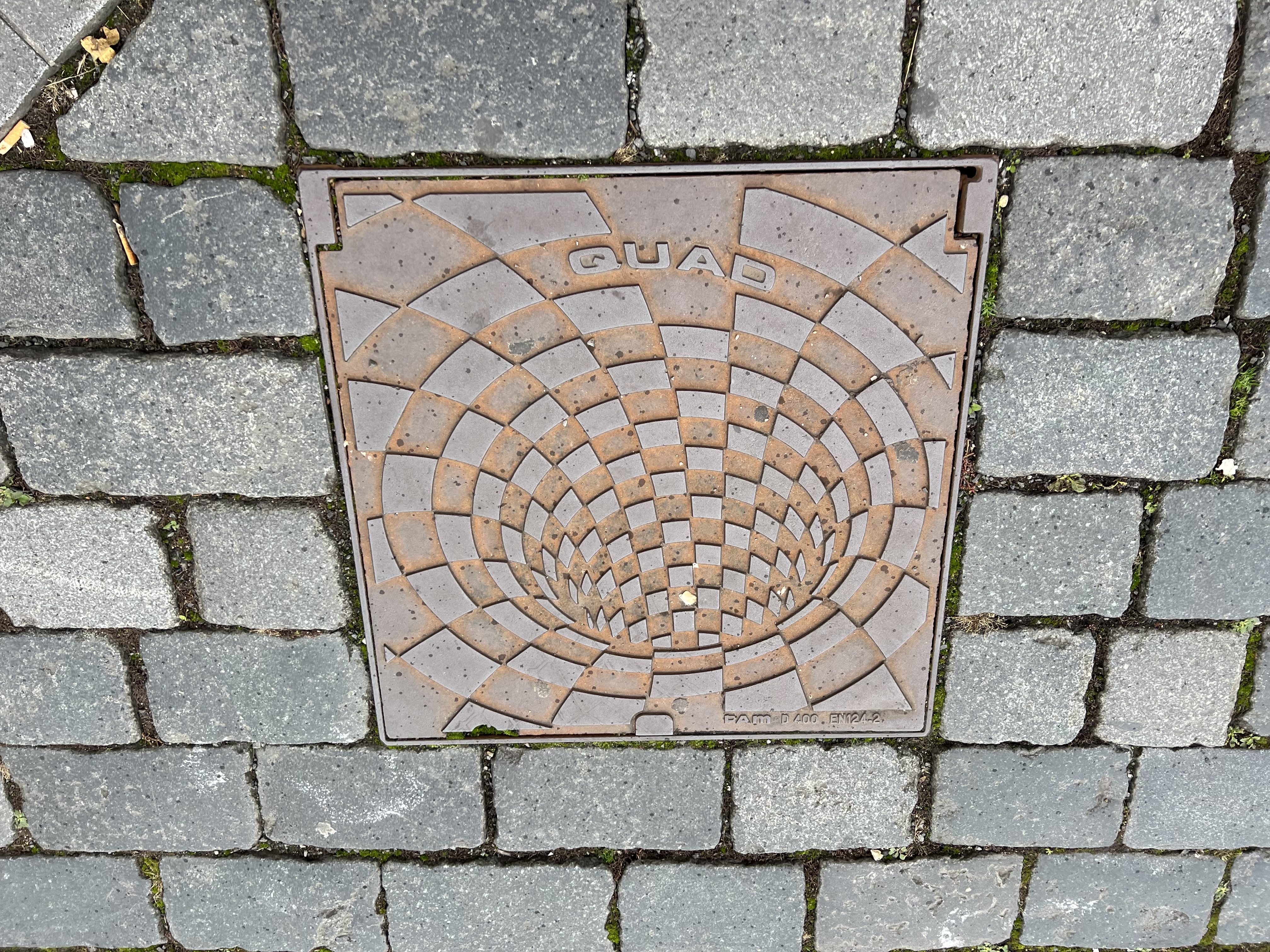
I am proud to be an Innovation Mentor for the US State Department’s TechWomen’s Team Rwanda! Three mentors (Keana Lucas, Rachana Mitkar, and me) had our first meeting online with the five Emerging Leaders on 2 October, followed by four intensive days developing project and presentation that will benefit Rwanda. On Sunday, we met at my house in San Jose, California, for dinner and further discussion. They enjoyed a tour of WP668, my railway caboose office. Yesterday, we gave our first project presentation. Here is more about what we are working on. Pretty good for such a short development period! We will refine and further develop this as we get feedback from colleagues and potential partners, and our understanding evolves.
Problem Statement: “In Rwanda, professional and academic women face underrepresentation in STEM fields because of the lasting impact of the 1994 Genocide against the Tutsi. This matters because generational trauma causes many women to carry the weight of depression, impostor syndrome, and self-doubt that quietly limit their potential. Greater representation of women in STEM will enhance productivity, expand opportunities, and inspire the next generation of young women.”
Project Description: “The KIRATECH (healing through technology) project creatively addresses the underrepresentation of Rwandan women in STEM by focusing on one of its most overlooked barriers: mental health challenges rooted in the lasting effects of the 1994 Genocide against the Tutsi. Many women continue to struggle with depression, impostor syndrome, and self-doubt that quietly limit their confidence and participation in science and technology. KIRATECH brings together technology, mental health advocacy, and community building to create a supportive digital ecosystem where women can heal, connect, and grow. At its core is an AI-powered chatbot that allows women in STEM to discuss mental health concerns confidentially or anonymously, offering a trusted space for emotional support and early intervention.
Key components of KIRATECH include a resource hub that connects users to professional counseling and mentorship programs through existing organizations, along with a community engagement section that promotes monthly meetups and annual conferences for peer support, networking, and shared learning. The “Share Your Story” section provides a platform for women to share experiences, highlight achievements, and inspire others through authentic storytelling that builds collective resilience.
The project team is currently refining the technical design of the chatbot to ensure it is culturally sensitive, multilingual, and responsive to diverse user needs. KIRATECH is also strengthening partnerships with mental health professionals and women-led STEM organizations to enhance credibility and sustainability. Together, these components aim to build a resilient community of women in STEM who are mentally supported, professionally empowered, and motivated to lead Rwanda’s future in science and innovation. Success will be measured through user engagement, mentorship participation, feedback from community events, and visible growth in women’s participation and leadership across STEM fields.”
I was honored to be part of the TechWomen 2014 delegation to Rwanda, which provided helpful background in my support of this year’s team.
Images (c) Copyright 2025 by Katy Dickinson. If you want to receive Katysblog posted by email, please sign up using the Sign Me Up! field (upper right on Katysblog home page).
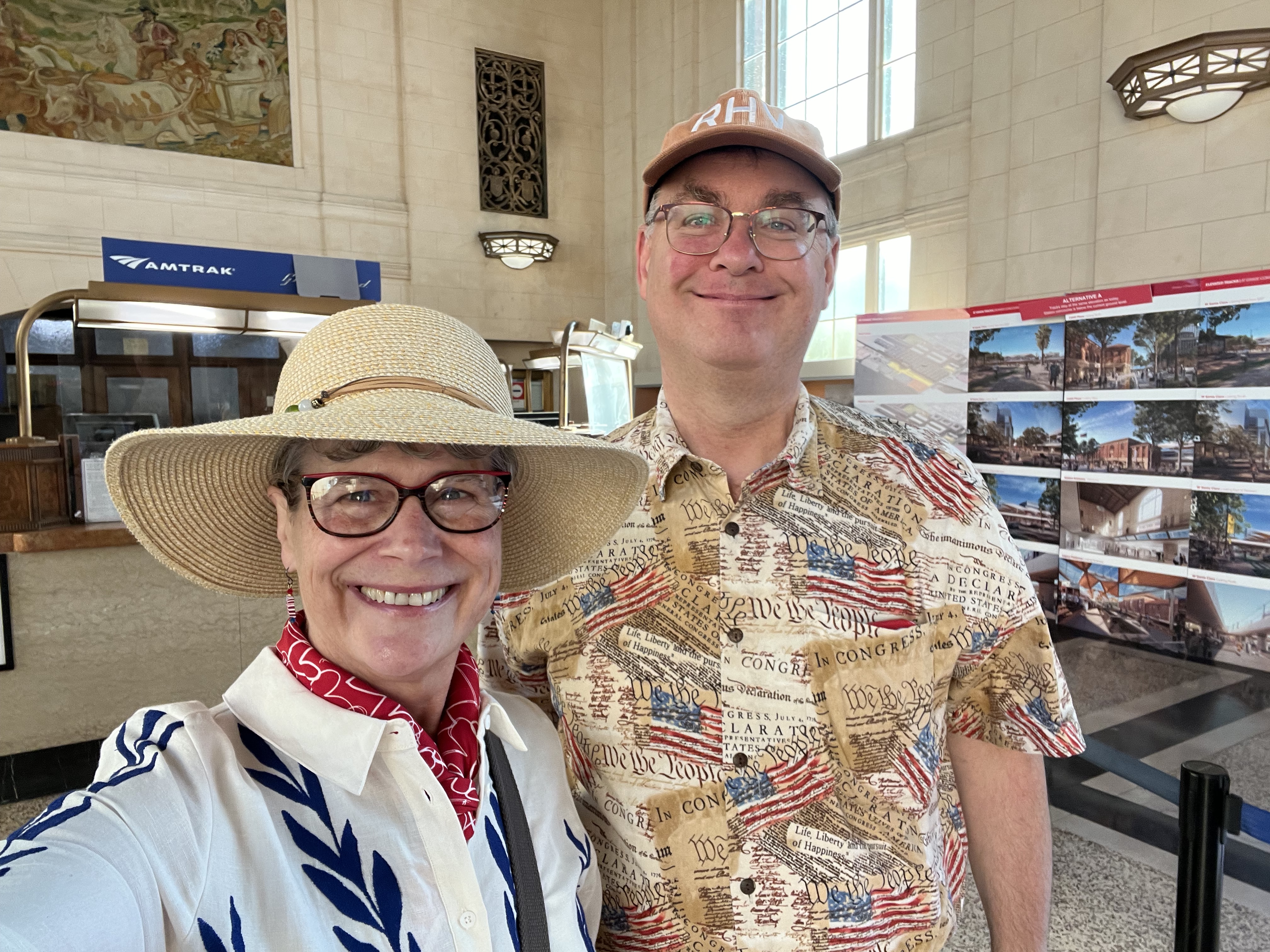
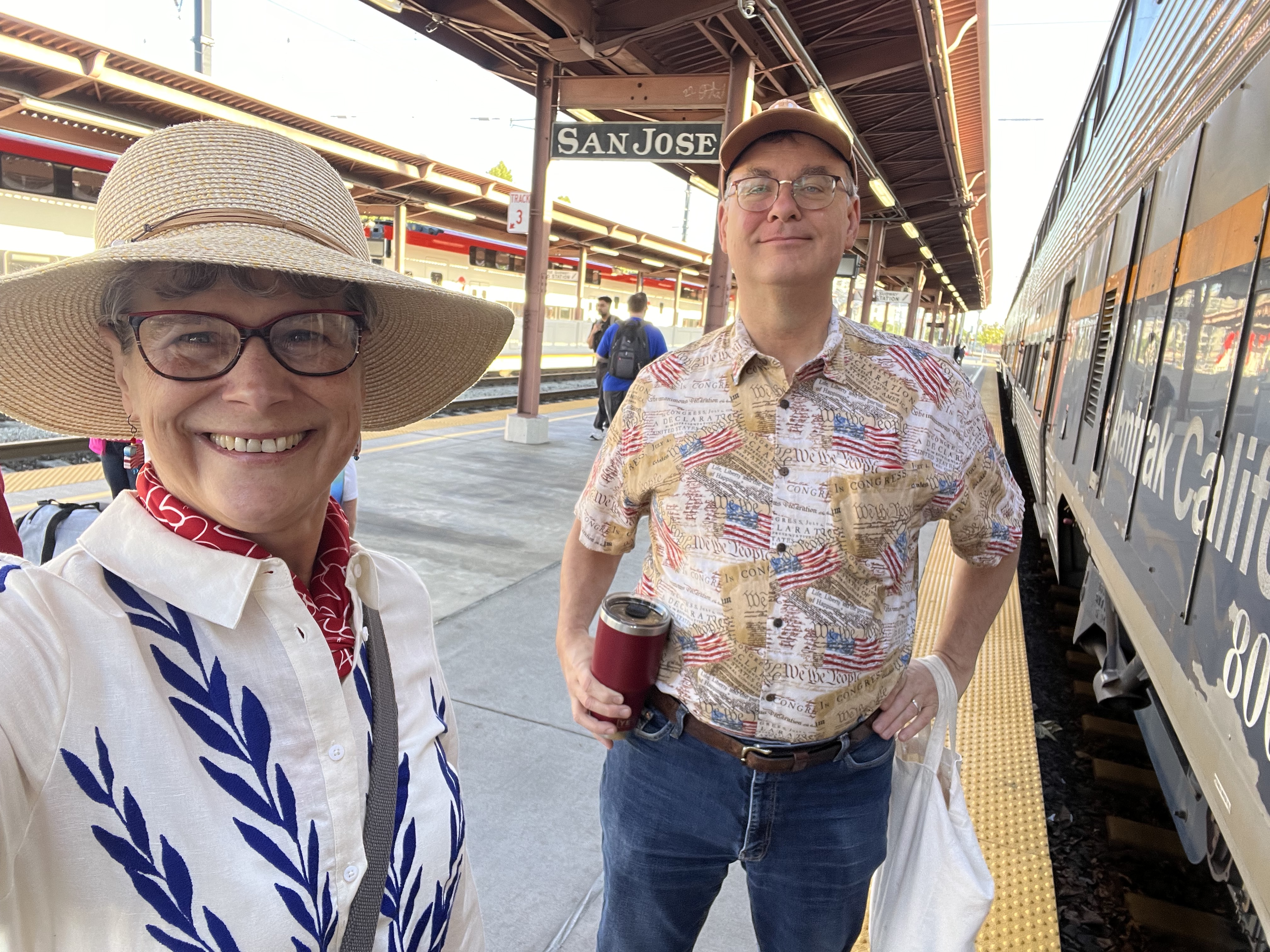
My husband John Plocher and I celebrated our 25th wedding anniversary on 4 July 2025 with an Amtrak train ride from San Jose to Sacramento, California, to visit the California Railway Museum and have dinner on the Delta King paddlewheel riverboat. We will be taking another trip later this month, a Danube River Cruise with AmaWaterways, to celebrate our anniversary and my doctorate. We are looking forward to the big trip!
Images (c) Copyright 2025 by Katy Dickinson. If you want to receive Katysblog posted by email, please sign up using the Sign Me Up! field (upper right on Katysblog home page).
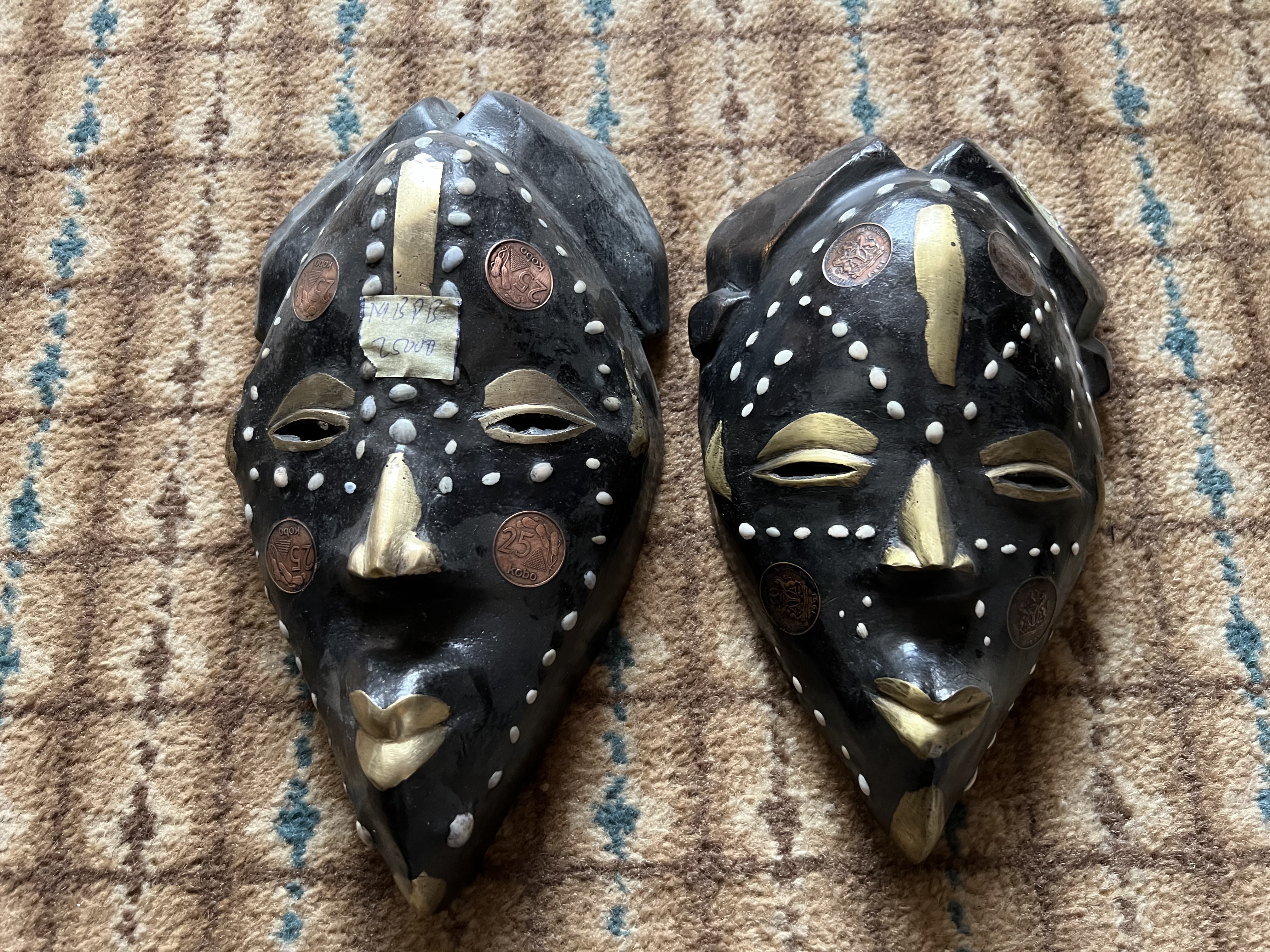
One of the side delights of my many trips to the continent is visiting fabric shops to see the lovely cotton print patterns. I have written many times about this – including showing where I have used the fabric. My dining room now has an interesting new Togolese tablecloth made up of two fabrics – each with what looks like a splattered / rolled-on pattern on a red base. My friend Anne Karoly and her sister were kind enough to sew these for me. I made a donation to Education for Ministry in thanks. I think the new tablecloth and napkins complement the fish curtains (fabric from Sierra Leone 2017), and masks I bought in Cameroon (2024). One of the other mentors wrote, “That’s a typical TechWomen mentor house 😉 With goodies from the participating countries. Love it.”
Image (c) Copyright 2025 by Katy Dickinson. If you want to receive Katysblog posted by email, please sign up using the Sign Me Up! field (upper right on Katysblog home page).
As part of my Islamic Studies certificate, in the Spring 2025 term I took a Graduate Theological Union (GTU) class called, “Literary Analysis of Islamic and Jewish Texts.” I was fascinated by the ancient Islamic literature we studied, particularly Attar‘s biography of the famous Sufi woman Rabi’a (also called Rabia Basri and Rābiʼa al-ʼAdawiyya al-Qaysiyya, 716-801 CE) in his Memorial of the Friends of God; however, I saw such a strong connection between battlefield soldiers like the modern Israeli poet Yehuda Amichai and incarcerated people that I chose that as my topic. Here is my paper.
Battlefield soldiers and incarcerated people are both groups who may find suspicion and watchfulness of their surroundings help them to survive in a fast-changing and dangerous world. In the paper I included three feedback quotes from men in reentry or who are still incarcerated about my Transforming Literature of the Bible class and its use of poetry. I gave a copy of the paper to the Elmwood Jail class this week and am curious to hear what they think. Here are the quotes,
“Poetry has helped me to express myself in a unique way. When I try to do poetry by sitting down and thinking about it, I think it is not as authentic as a spontaneous one. For example if I’m laying in bed and I’m thinking about something I jump out of bed and just start writing. Those are the best poems I have written.”
“I read lots of poetry in the class. Every poetry that I read had positive stories that taught me to be a better person even when I was in jail. It taught me to be strong in my faith and that everything is possible when you have faith to follow. No matter what we go through, everything is going to be OK.”
“The Brilliant poetry that is introduced to us in relation to the topics of study, are everything from heart felt amazement, shockingly heroic, Educationally sound, & a way to give multiple perspectives & ways of understanding. Artist & Poets…Bring understanding and awe, I’ve called home at times in excitement.”
Image (c) Copyright 2025 by Katy Dickinson. If you want to receive Katysblog posted by email, please sign up using the Sign Me Up! field (upper right on Katysblog home page).
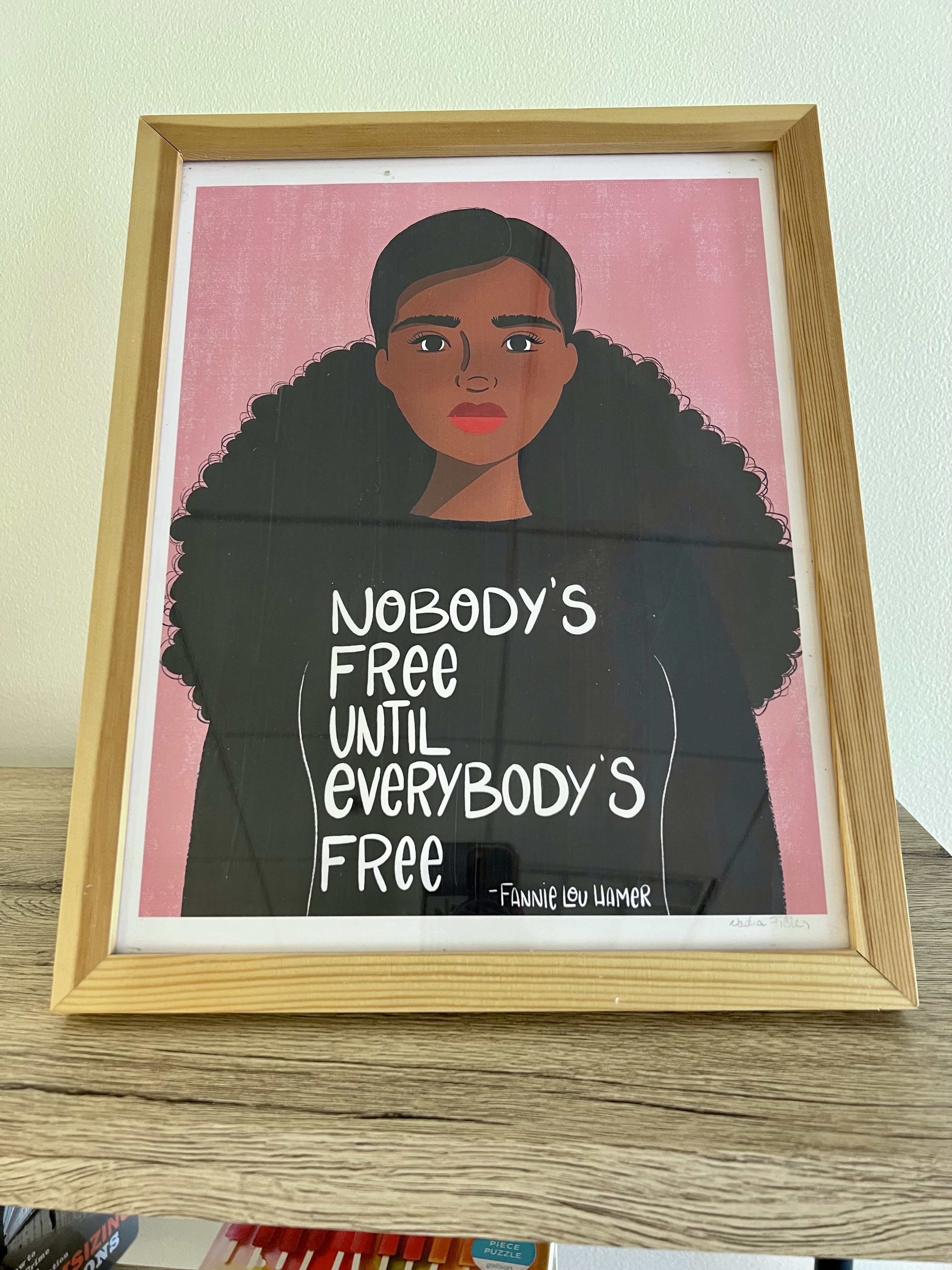
As part of my Islamic Studies certificate, in the Spring 2025 term I took a Graduate Theological Union (GTU) class called, “Martyrdom and Afterlife in the Qur’ān,” for which I gave a Presentation about notable American civil rights leader Fannie Lou Hamer. Our inspiring GTU professor was Dr. Mahjabeen Dhala. Part of my presentation explored what it meant for Hamer to be a martyr since martyrdom was a focus of our class discussions. I was happy to see a print of Fannie Lou Hamer decorating the offices of the Sentencing Project when I went to visit last week in Washington DC. Here is my Presentation.
If you want to receive Katysblog posted by email, please sign up using the Sign Me Up! field (upper right on Katysblog home page).
As part of my Islamic Studies certificate, I took a Graduate Theological Union (GTU) class in the Spring 2025 term called, “Martyrdom and Afterlife in the Qur’ān,” for which my final paper was, “Heaven in the Qur’ān and Christian Testament.” Our inspiring professor was Dr. Mahjabeen Dhala who presented us with a challenging reading list and led our class of Muslims, Christians, and Baháʼís in a series of discussions about death, the afterlife, martyrdom, and the end of days. I have studied with Dr. Dhala before and this class confirmed that she is one of the best teachers at the GTU.
I took the opportunity of the twenty-eight page final paper to explore a subject that I have been thinking about. Here is my introductory paragraph,
“In both Christianity and Islam, heaven exists and has always existed but there are different beliefs on how the living can engage with it. This paper provides an overview of some of these Abrahamic religions’s relationships with heaven, highlighting two key dissimilarities. The scope is intentionally constrained in addressing this vast and complex topic. I am not attempting to be comprehensive or to present all variants of belief. I will not discuss the specifics of physical resurrection, interim or last judgements, the Christian Jesus versus the Muslim Jesus (ʿĪsā ibn Maryam), or a variety of other tempting and fascinating topics. My comparisons will include the physicality of heaven, how some artists have envisioned how heaven looks, engaging with heaven during life, orthodox beliefs about heaven, when heaven opens, and mystical or heavenly cities. Writing this paper has become a journey of discovery as much as a research project. I keep finding new materials and points of view on eschatology and the end times. The Oxford Handbook of Systematic Theology offers this traditional definition, “eschatology comprised the ‘four last things’ that Christian faith expects to be the destiny of humans at the end of time: resurrection, last judgement, heaven, and hell.” Comparative eschatology is a big subject but considering the more limited question of what Islam and Christianity have to say about heaven seems possible in the space of a relatively short paper.”
*This work is in the public domain in its country of origin and other countries and areas where the copyright term is the author’s life plus 100 years or fewer.
If you want to receive Katysblog posted by email, please sign up using the Sign Me Up! field (upper right on Katysblog home page).